
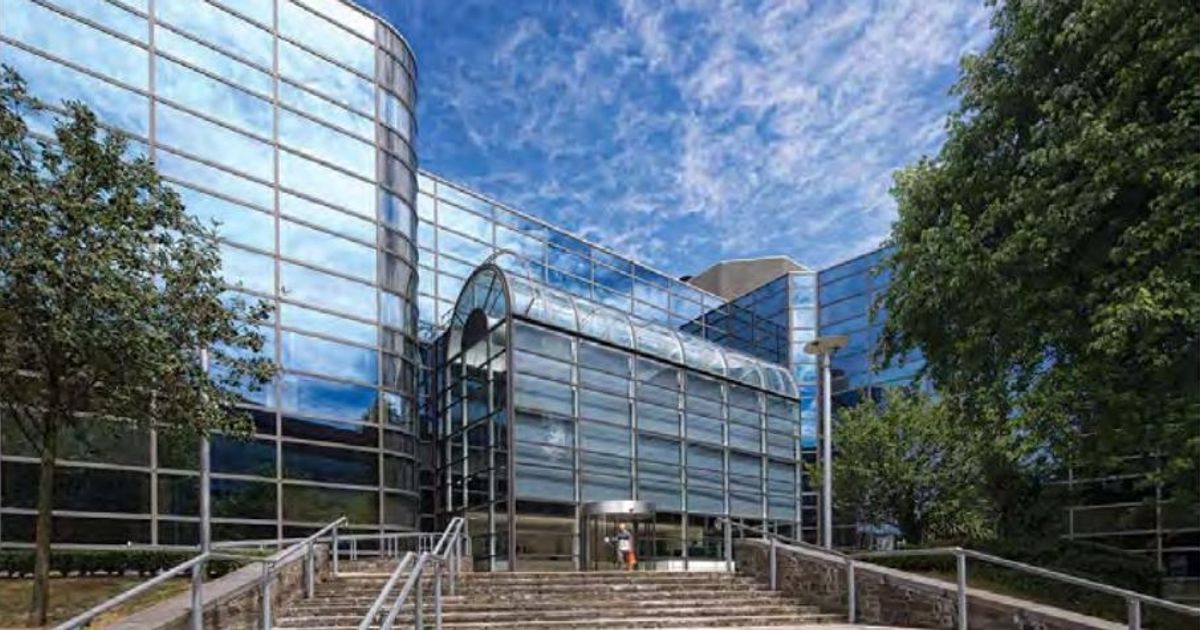
“Unless such a solution can be identified we recommend that the current proposal be refused”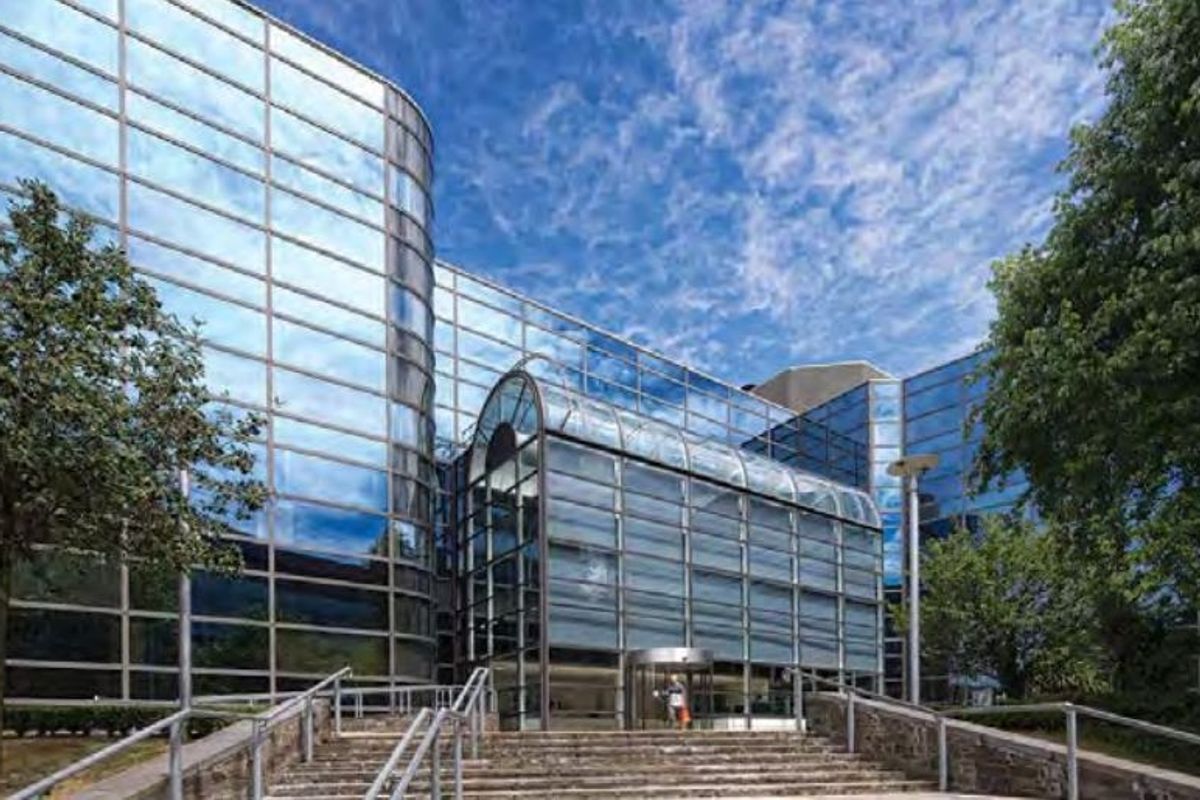
Plans for the conversion of the Spectrum Building on Bond Street in Bristol(Image: Savills)
Plans to convert one of Bristol’s most striking office buildings into accommodation for more than 400 students should be turned down – because of the challenges of maintaining its well-known glazed facade.
The Spectrum Building, which stands at the end of Bond Street between the Bearpit and the corner of Cabot Circus, is considered one of finest examples of 1980s architecture in Bristol, but developers say it could be at risk if it is not given a new lease of life into the 2030s.
But Bristol’s Civic Society say that unless a ‘solution can be identified’ for the issue of how to convert the building and replace its famous clear-glass windows, the entire conversion should not be allowed.
The Spectrum Building was built in around 1987 and at the time was considered one of the most modern and futuristic office buildings in Bristol, with its irregular shape, five-storeys of dark glass frontage, and curved corners.
Over time, it has become celebrated by heritage experts as a classic of its kind, but according to the Bristol Civic Society, the plans to convert it to student use now – and replace the 1980s glass frontage – aren’t good enough.
The developers originally wanted to put two more floors on top of the existing building, but now simply want to convert the inside of the offices to rooms for students, and completely replace the outside facade.
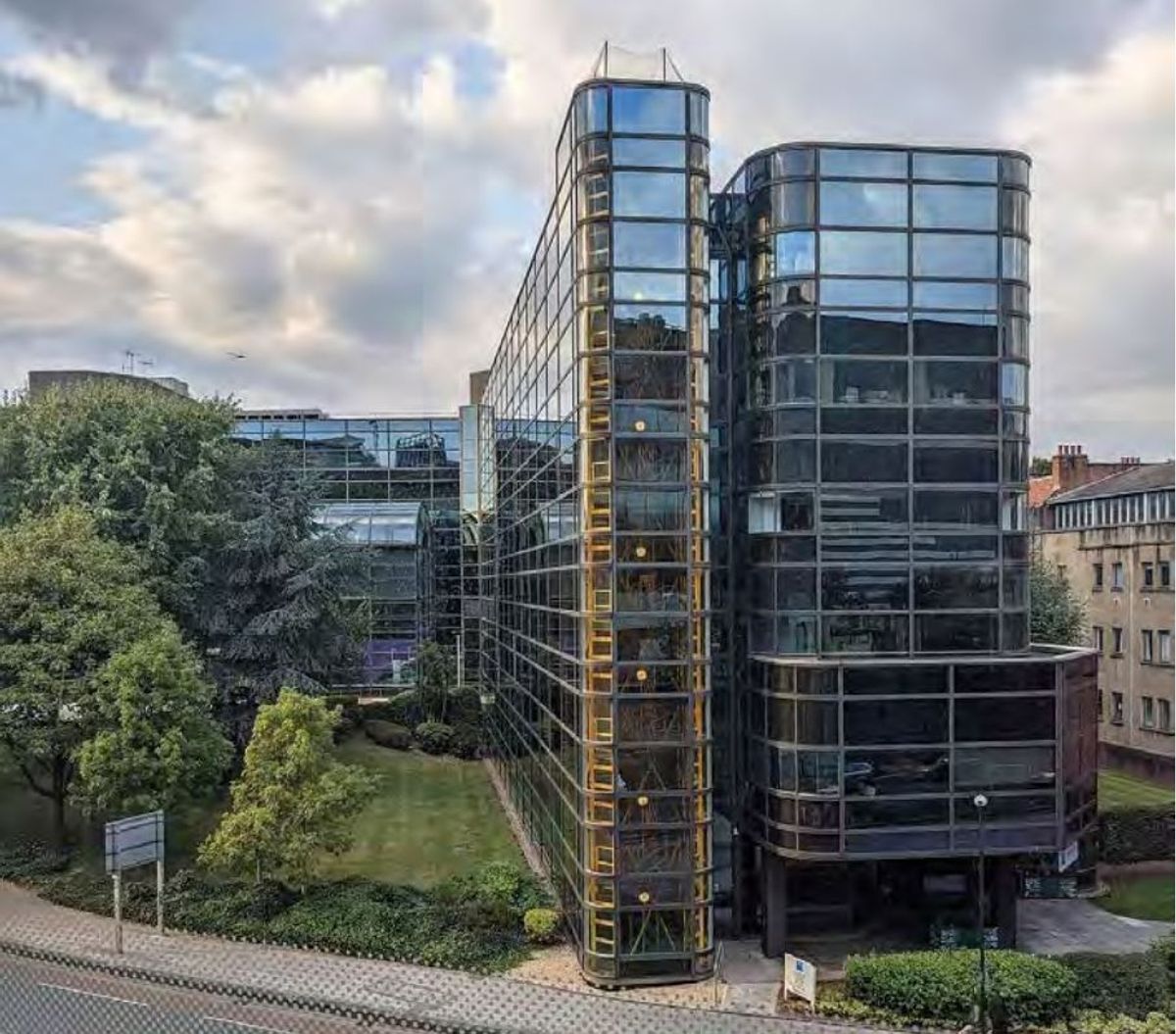
Plans for the conversion of the Spectrum Building on Bond Street in Bristol(Image: Savills)
To make the building fit for 401 students to live in, the developers are planning to replace the glass panels to a modern standard, but say they will do so with ‘like-for-like’ replacements.
A report for the developers about the proposal, written by Savills, said the glass would be replaced ‘like-for-like’.
“The existing glass external finishes will be retained and where necessary replaced with ‘like-for-like’ material to ensure that the external façade is maintained and renovated,” said the report. “A cladding report was undertaken to assess the quality of the existing façade, the findings of this report outlined that it was considered the façade has reached the end of its serviceable life, and as such renovation / replacement is required,” it said.
“Through early engagement the Council was determined that the façade should be retained due to the building’s local designation as a building of merit, in light of this ‘like-for-like’ renovations are planned,” it added.
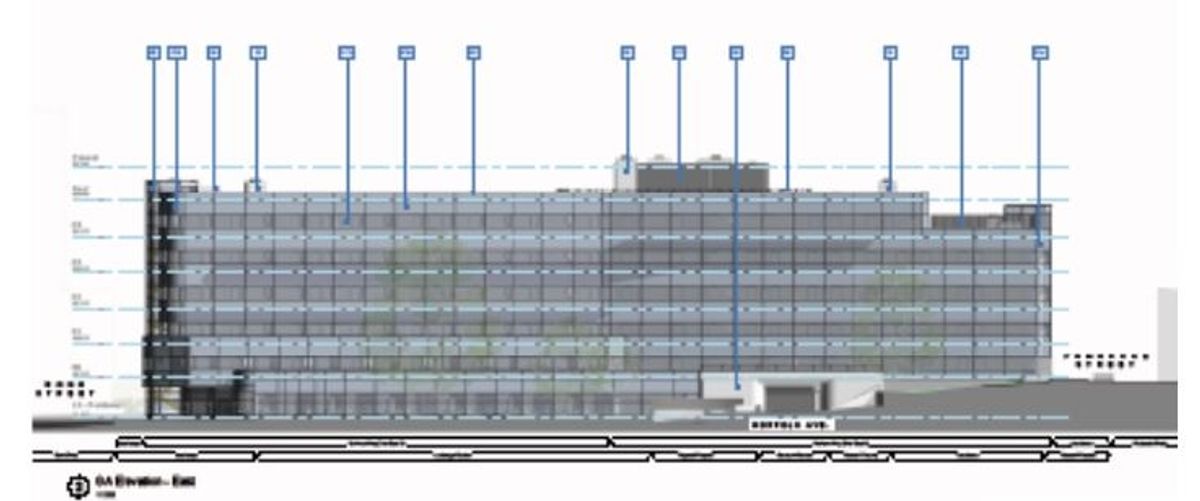
Plans for the conversion of the Spectrum Building on Bond Street in Bristol(Image: Savills)
But Bristol Civic Society’s chair Simon Birch has said this doesn’t go far enough, even though they back the principle of converting the striking building into student flats. They said they were worried that the replacement glass won’t look the same.
“The Society supports the principle of reusing the existing structure and converting it for student housing.” Mr Birch said. “This makes sense as it will retain an attractive building and will significantly reduce the carbon cost associated with demolition and reconstruction.
“The Society is pleased to note that, following pre-application advice, proposals for an upward extension have been removed from the proposed plans. These would have had very negative impacts both on the building itself and on the setting of nearby heritage assets.
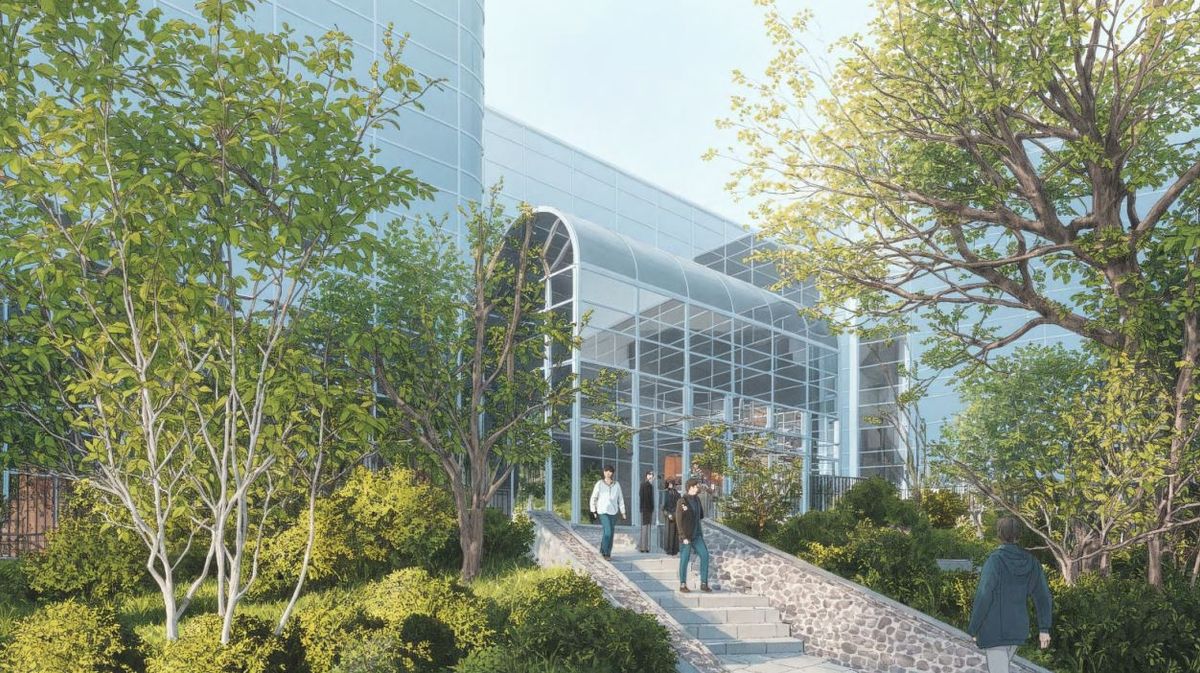
Plans for the conversion of the Spectrum Building on Bond Street in Bristol(Image: Savills)
“However, the current proposals for replacement glazing and window frames are not considered acceptable as these would fundamentally change the external glazed façade and would undermine the architectural integrity of the existing building,” he added.
“In the Society’s view more research is needed in order to identify a more appropriate colour palette for the glazing. Unless such a solution can be identified we recommend that the current proposal be refused,” he said.