

Newcastle and Gateshead public health chief Alice Wiseman has warned that food inequality is driving “unmanageable healthcare demands on the NHS”
File photo dated 09/07/14 of a pile of cheeseburgers and french fries(Image: PA)
Almost one in four North East households are unable to afford adequate food and are suffering serious physical and mental health consequences as a result, a public health chief has warned. Prof Alice Wiseman, director of public health for Newcastle and Gateshead, has called for urgent action to create a fairer system where everyone has the right to affordable and nutritious food – instead of being forced to skip meals or rely on cheaper, unhealthy products.
In a report presented to Newcastle City Council last week, she warns that food inequality is driving “unmanageable healthcare demands on the NHS”, leaving people with problems ranging from chronic stress and isolation to malnutrition, tooth decay to heart disease. The North East has the second highest rate of household food insecurity in the UK, an estimated 23% as of mid-2024, according to the Department for Environment, Food & Rural Affairs.
Prof Wiseman praised initiatives like the West End Women and Girls Centre’s Food Justice programme and the Men’s Pie Club, which started in Byker in 2017 and has expanded across the region, for helping improve access to higher-quality food and improving social connections. While describing Newcastle as a “leader” in the fight against food insecurity and a city “not taking this lying down”, she has called for more to be done – including tackling the “aggressive targeting and marketing” of fatty, sugary, ultra-processed food and drink aimed at children and more deprived communities.
Prof Wiseman said: “In 2024, nearly one in four households in the North East face food insecurity, a stark reminder that inequality is not abstract—it is lived every day in kitchens and communities across our city. However, food insecurity in Newcastle is not about scarcity, it’s about inequality in access. It’s also not just about hunger; it leads to multiple poor outcomes. In the UK healthy food is more than twice as expensive per calorie than unhealthy food. Food insecurity more than doubles the risk of excess weight which, in turn, result in a corresponding increased likelihood of multiple long-term conditions.
“People experiencing food insecurity also experience terrible stigma and shame which often creates barriers to seeking help. The food and drink we consume affects our oral health and tooth decay is the most common reason children aged 5–9 go to hospital in England. Finally, food insecurity also has a negative impact on mental health leading to anxiety, depression, cognitive decline, and social isolation. In contrast these symptoms and illnesses can be reversible when food security is restored – completely preventing illness.”
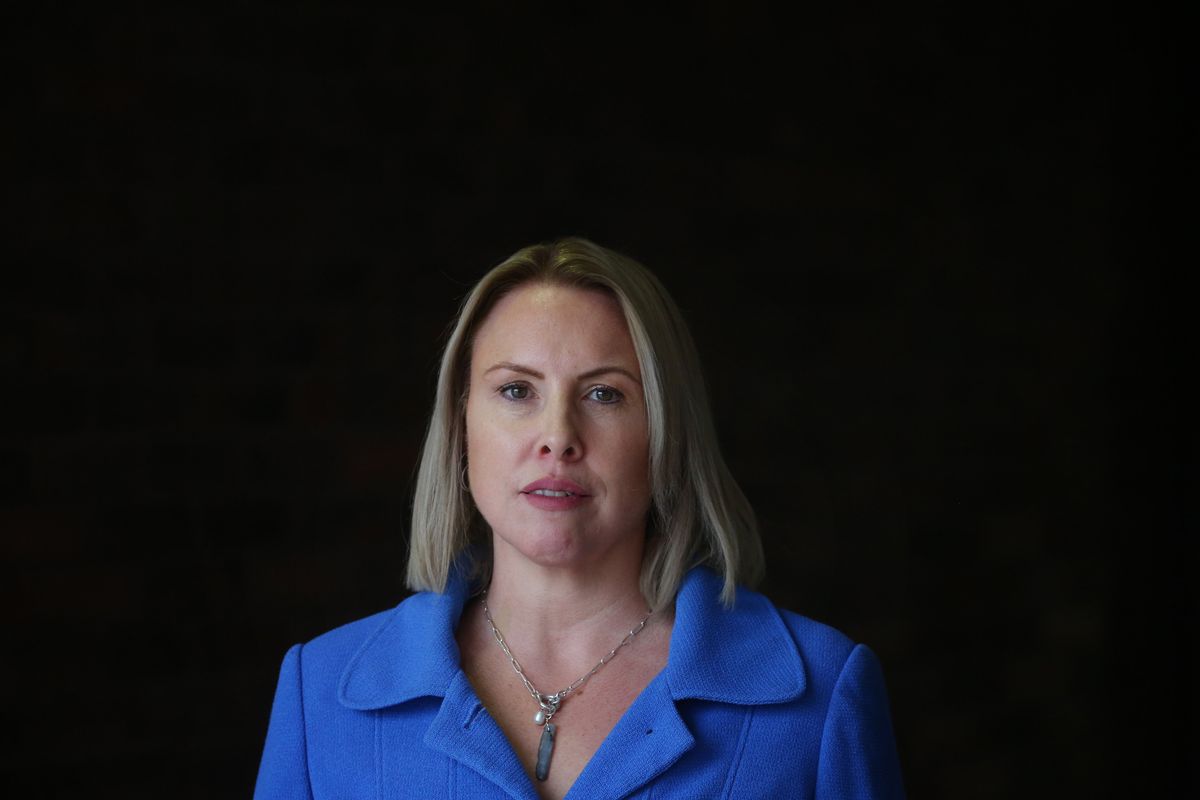
Newcastle and Gateshead public health director Alice Wiseman(Image: Newcastle Chronicle)
According to the city council, 25.6% of five-year-olds in Newcastle have tooth decay and 24.5% of year 6 pupils are obese, both higher than the national average. Prof Wiseman wrote that the richest fifth of households only need to spend 11% of their income on food, while the poorest fifth spend 45% – though that jumps to 70% when only counting families with children.
Her report has been backed by CCBC presenter Dr Chris van Tulleken, author of ‘Ultra-Processed People: Why We Can’t Stop Eating Food That Isn’t Food’, who said: “A healthy diet is essential for all health and wellbeing and underpins the quality of people’s lives. What we eat and our relationship with food impacts how we grow and develop, our risks of illness and recovery, and has profound impact on our social connections and emotional wellbeing.
“With 40,000 residents using food banks in Newcastle, like many places in the UK, the challenges in the food system are many: rising obesity, dental decay, malnutrition, isolation, and depression – all closely associated with chronic food poverty. Taking a public health approach to improve that offers to reverse the biggest threats to our population health – unhealthy weight and poor mental health – while supporting action on climate change, child poverty and social inequality.”
Our ChronicleLive Daily newsletter is free. You can sign up to receive it here. It will keep you up to date with all the latest breaking news and top stories from the North East.