
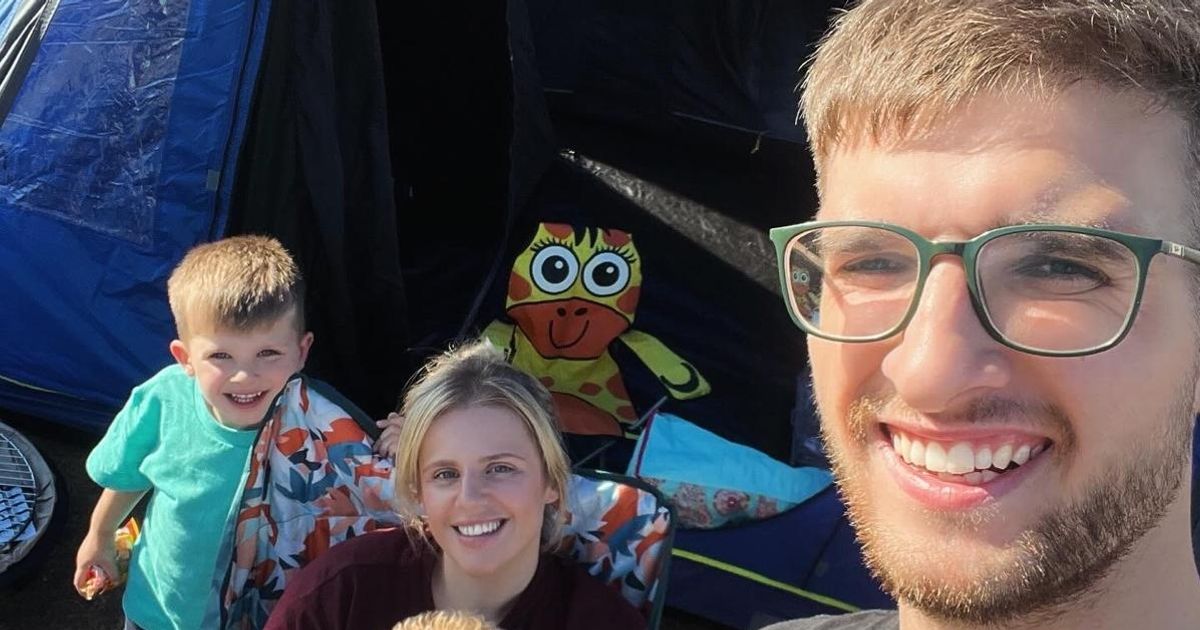
Tom Hayman wasn’t feeling himself around the summer of 2024 and couldn’t shake the feeling it was something serious
04:00, 03 Feb 2026Updated 10:09, 03 Feb 2026
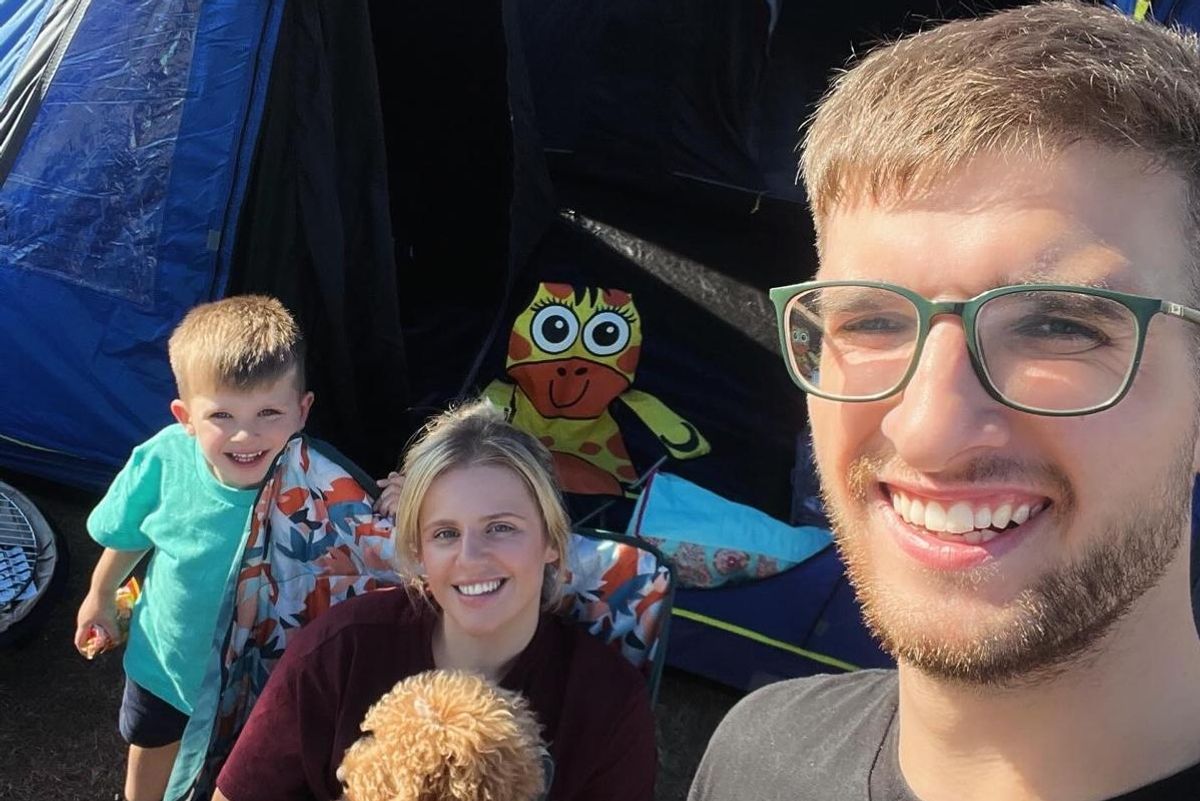
Tom Hayman, his fiancee Mary Cooper and their son Ronnie Hayman(Image: Supplied)
A dad who kept complaining about stomach aches has been given a devastating diagnosis. Tom Hayman, 28, is described by his fiancée Mary Cooper as the “kindest, most generous man you’ll ever meet”.
The engaged couple have a son together, Ronnie Hayman, who is four-years-old. However, Tom wasn’t feeling himself around the summer of 2024 and couldn’t shake the feeling that it was something serious. Speaking to the ECHO, Mary, 28, said: “He was losing loads of weight.
“He couldn’t eat anything and if he did eat, he would be in really bad stomach pain. He was lethargic and didn’t feel well. He had lost a lot of weight.”
Mary says that, from January to May 2025, Tom went to their doctors seven times but it was not thought his symptoms were something to be concerned about. After more concerns were raised by the couple, they said the doctor made a referral for him have an ultrasound scan.

Tom Hayman and Mary Cooper went to see the doctors about Tom was feeling(Image: Supplied)
After scans in their local Warrington hospital were inconclusive, they were sent for one in London. It was here that Tom was told he had a rare form of cancer called a neuroendocrine tumour, which had started in his pancreas and spread to his liver.
According to Cancer Research UK, neuroendocrine tumours are a group of neuroendocrine cancers. They start in nerve and gland cells. These are called neuroendocrine cells.
These cancers can develop in different parts of the body and can be slow or fast growing. Neuroendocrine cancer is less common than some other types of cancer, and there are many different types, so survival is harder to estimate than for other, more common cancers.
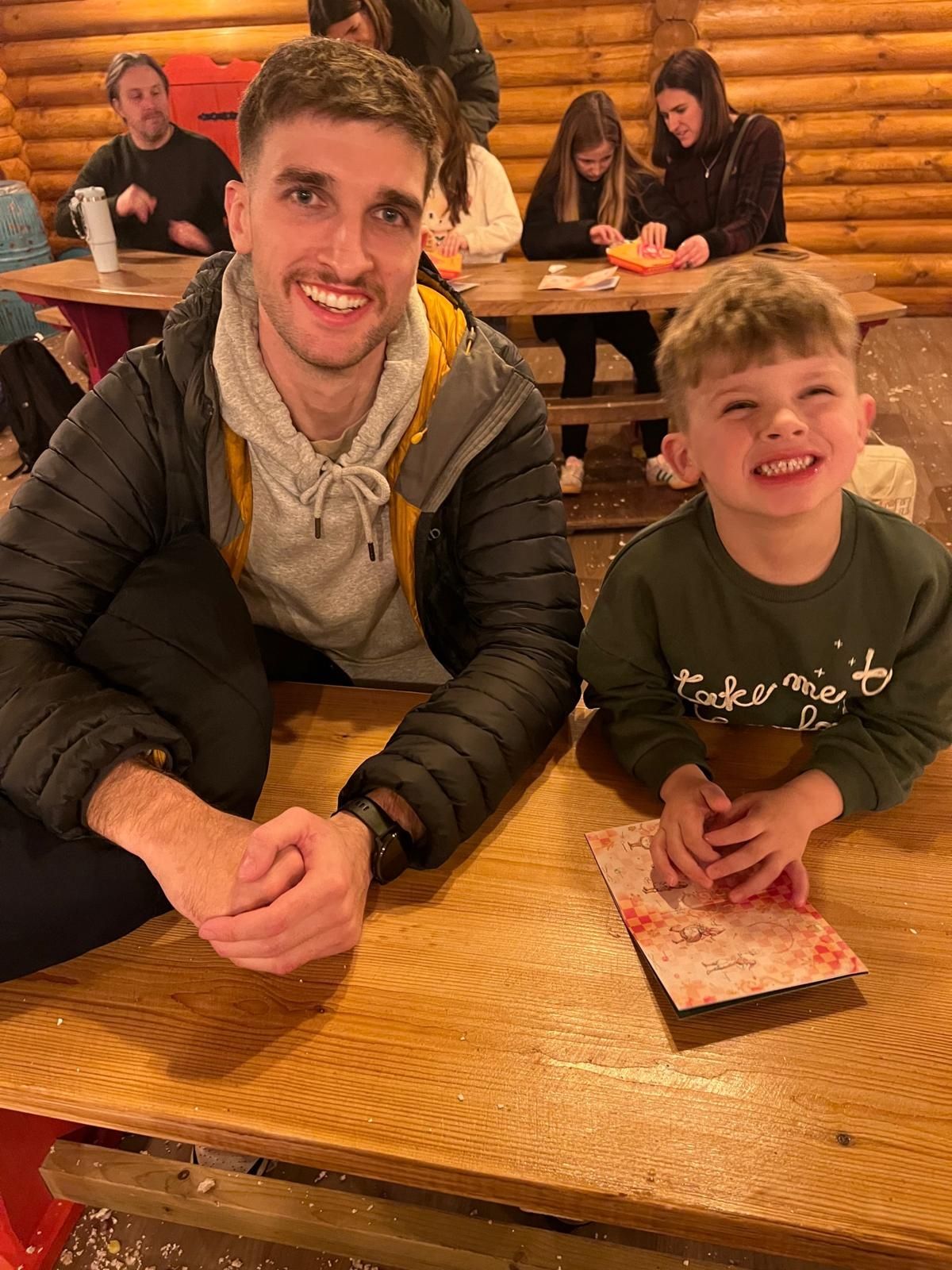
Tom with four year-old Ronnie(Image: Supplied)
Macmillan Cancer Support says that symptoms will depend on where in the body the neuroendocrine tumour is but they can include a loss of appetite, weight loss, heartburn and indigestion.
Tom was later told his condition can’t be cured. This news came as a massive shock. Mary said: “We had our first appointment at the Royal Liverpool Hospital.
“We expected we’d go and they’d say, we’re going to give you this surgery, you’re going to have six rounds of chemo but instead we were told it was incurable.
“We were just like, what? I can’t even really remember the day because we were just crying. Tom was crying because he was thinking about leaving me and Ronnie behind.
“It was just horrible. Then we had to just go away and try and research it ourselves because it is a rare cancer. I don’t know anybody that’s ever had this, especially not at our age as well. It just felt like we were on our own.”
The family doesn’t know how long Tom has left to live. Mary said: “We’re in the dark because of the type of cancer that Tom’s got. Even if there’s someone next to me that’s got neuroendocrine tumours, it’s still completely different. Nobody can say.
“In England, we’ve basically been told, you’ve got as long as you’ve got. Does that mean three years or does it mean 30 years? Does it mean three months? They don’t know.
“It just makes me feel sick all the time because you just don’t know what’s happening at all.”
The glimmer of hope the family has lies in Germany, thanks to dendritic cell therapy. This is a form of immunotherapy that helps your own immune system fight cancer.
Dendritic cells are special cells in your body whose job is to spot danger and alert your immune system. They act like teachers, showing your immune system what to attack. The aim is to stop progression, stop the spread and even reduce the size of Tom’s tumours.

No-one knows how long Tom has to live(Image: Supplied)
Mary said: “When I’ve spoken to (people in) Germany, they’ve said we’re 40 years behind them in cancer treatments, especially for neuroendocrine tumours. There’s not a lot of funding or research because it’s not a common cancer to get.”
However, the treatments come with huge costs, including medical fees, travel, accommodation and time away from work while Tom focuses on getting better.
Mary has set up a GoFundMe page, with the aim of raising £50,000. She said: “Tom, as a person, never asks for help from anybody.
“He’s a plumber, he is a hardworking lad, he goes to work, he pays all his own bills. So for him to let me do this is a big thing because he knows how important it is.”
A fundraising night will also take place at Alford Hall Sports and Social Club in Warrington at 7pm on February 28. Tickets cost £20 per adult and the event will include a live auction, a raffle, hot food, live music and more.
The fact that more than £17,000 has been raised at the time of writing has meant a lot to the family. Mary said: ”My mind’s blown, it’s been like a crazy few days. Tom keeps saying, ‘I can feel the love, I just feel that everyone’s rooting for me.’”
Tom also wants to use this difficult time to educate people about neuroendocrine tumours. Mary said: “He is the kindest, most generous man you’ll ever meet, hardworking, funny and the best dad there is. When people meet Tom they say he’s a one off, he really is amazing.
“He’s been dealt these cards but he wants to raise awareness about it. You know your own body and if something doesn’t feel right, you’ve got to advocate for yourself. He said, ‘for those six months I was made fun of and felt like I was making it up’. He doesn’t want that to happen to other people.
“So I think a big thing for Tom is, he wants people to know that, if you’ve got symptoms like this, you need to go and get checked out. You’re not too young to get cancer at all.”