
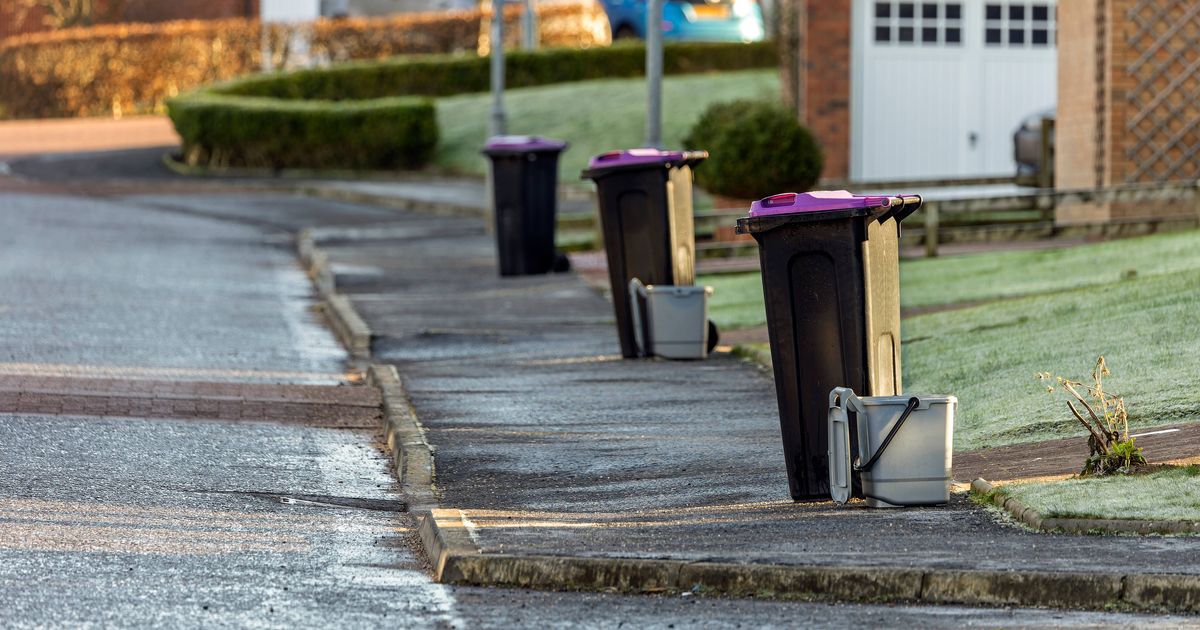
A binman has shared the one mistake that could mean your rubbish doesn’t get collected on bin day, and he urged people not to make the error if they want their waste taken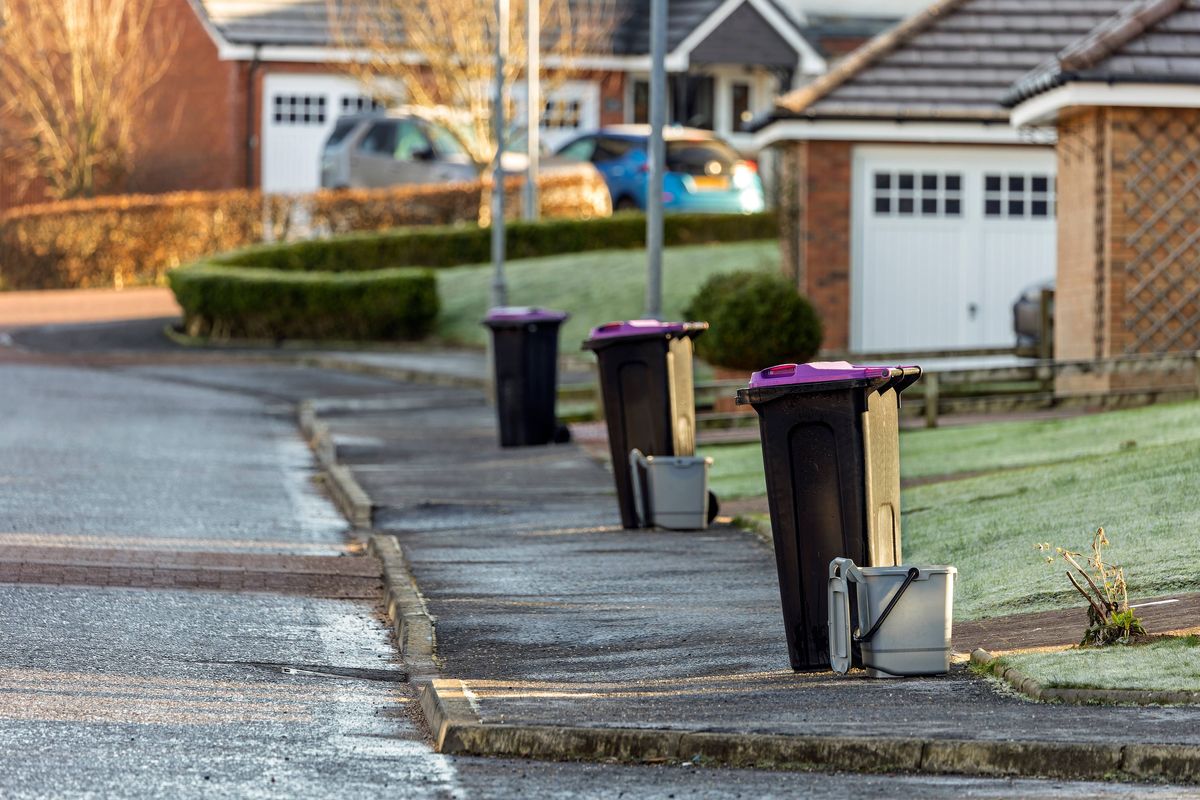
He issued the warning to people who do this with their bins (Stock Image)(Image: Tosh Lubek via Getty Images)
Discovering that your bins haven’t been collected after you’ve dutifully put them out can be a real pain, and might even have you dialling the council in a huff. If you’ve followed all the rules, made sure all the rubbish is in the bin, the lid is shut, and they still haven’t been taken, you’re likely to be fuming and contemplating a trip to the tip as your bins are already brimming.
However, a binman has revealed there could be another reason why your bin hasn’t been collected, and it’s all down to exactly where you leave it on the street outside your house.
Binman @theno1. binman, who regularly shares content on TikTok, explained that there’s a specific spot where you may place your bins, and if you do, there’s no chance they’ll be collected because it’s simply too much hassle for workers and disrupts their routine.
Content cannot be displayed without consent
Overlaying his video, he wrote: “When the bin is more than six feet into your garden” while lip-syncing to the song My Lovin’ by En Vogue.
The lyrics of this song repeat “never gonna get it”, implying that the binmen won’t collect your bins if they’re not positioned correctly.
However, some viewers were less than impressed with his attitude, commenting: “Would you get it if an elderly person lived there?”
He responded: “If you can’t bring it out, you can sign up for an assistant collection where we agree where we get it from and return it to”.
One commenter highlighted that they didn’t “think that people know” about this, while another emphasised the need to “apply through your local council”, as they and their neighbour already benefit from this service.
Another individual noted that in their area, binmen tend to throw their bins “down the road,” arguing that it seems a bit unfair for them not to collect the bins even when they’re on your property. However, if the bin was six feet into the home, the binmen may not see them.
So, what’s the best way to put out your bins?
When setting out your bins for collection, there are a few key steps to ensure they’re actually emptied. Firstly, consult your local council’s guidelines for bin collection, as these can differ based on where you reside.
Most councils instruct you to position your bins at the edge of your property, right by the kerb, so that the collection crew can easily access them.
If you place your bins incorrectly, such as leaving them behind a fence or too far up your driveway, the binmen might not collect them. Timing is also vital; bins should generally be put out either the evening before or very early on the morning of collection day, as crews often start their rounds early and will not return if your bin isn’t out when they arrive.
It’s also crucial to ensure you’re using the bins properly. Local authorities typically provide separate bins for general waste, recycling, and occasionally, food or garden waste.
If you place the wrong type of waste in a bin or overfill it, preventing the lid from closing, refuse collectors may decline to empty it.
Always verify what can and cannot be placed in each bin, as incorrectly disposing of items in your recycling or garden waste bin is a frequent cause of missed collections. Ensure the bins aren’t obstructed by parked vehicles, walls, or other barriers, as the collection team requires unobstructed access to manoeuvre and empty them.
If your locality requires you to attach a tag, sticker, or position the bin in a particular way, make certain to adhere to those guidelines as well.
For those who are disabled, elderly, or face mobility challenges that make it difficult to move bins to the kerbside, most local authorities provide an assisted collection service. This means that refuse collectors will enter your property, such as accessing your driveway or doorstep, to collect and return your bins.
To gain access to this service, you typically need to contact your local authority and complete a straightforward application form, detailing your circumstances and supplying any required medical information or evidence of disability.
Once authorised, the council will notify the collection team, and they will assume responsibility for transporting your bins to and from the collection point each week.
If you’re finding it tough, don’t be shy to contact your local council’s waste management department. They’re there to make sure everyone can use bin collection services, no matter their physical ability, ensuring that bin day doesn’t become a source of stress.