
The BBC and Channel 4 could be allowed to merge in an effort to take on global video streaming services such as YouTube and Netflix, a minister has suggested.
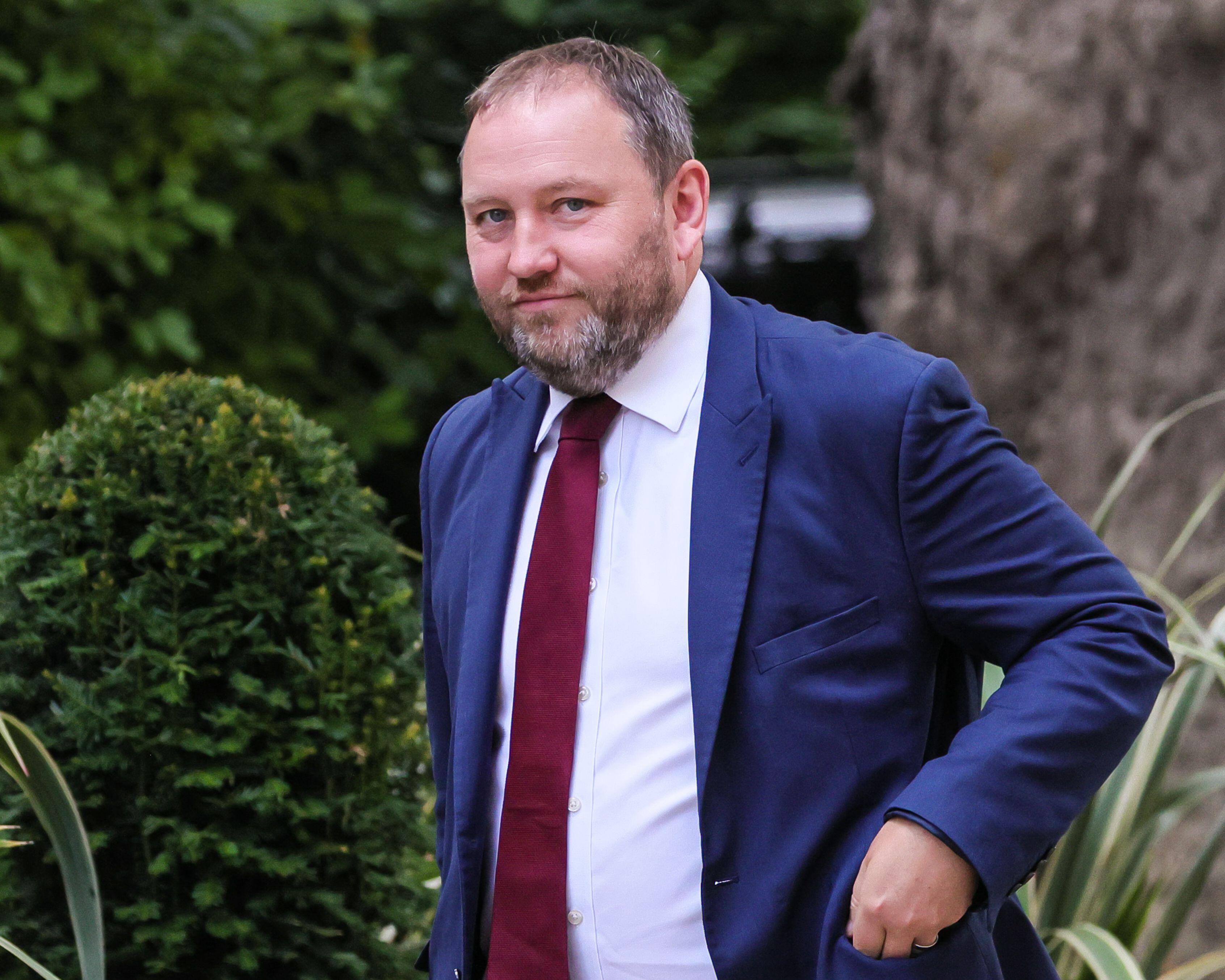
Ian Murray, the creative industries minister, told regulators that the broadcasters would benefit from “deeper and more strategic partnerships” at a time when audiences are increasingly turning to on-demand platforms.
He said stronger alliances or “consolidation” could help traditional channels reach harder-to-engage audiences and strengthen their long-term futures by using economies of scale in a rapidly changing, competitive market.
An Ofcom report last month found that YouTube has become the second most watched video service in the UK, behind the BBC and ahead of ITV. The average Briton spends 39 minutes a day on YouTube, and among the over-55s it has nearly doubled to 11 minutes.
Sources in the Department for Culture, Media and Sport (DCMS) have indicated that ministers would stop regulators from trying to block any future deal between the BBC and Channel 4.
Historically, the Competition and Markets Authority (CMA) has opposed large mergers. For example, a proposed TV-related merger between BSkyB and ITV in 2010 was blocked owing to concerns about increased concentration.
Murray warned that if public service broadcasters did not work together, they would have to follow the footsteps of other countries, including Germany and France, in pursuing large budget cuts.
• YouTube v the Beeb: I admit it, I’m a Chicken Shop Date addict
“The television market is transforming,” he said in separate letters to Dame Melanie Dawes, the Ofcom chief executive, and Sarah Cardell, the chief executive of the CMA.
“Our [public service] providers, alongside other broadcasters, are having to contend with rapid technological advances and changing audience viewing habits in an increasingly competitive and fragmented market.
“These trends have led broadcasters in many countries to cut costs and pursue consolidation to increase economies of scale.”
The correspondence, sent in December and seen by The Times, added: “In this context we believe there could be significant benefits to public service media providers pursuing deeper and more strategic partnerships, particularly those that enable them to engage with hard-to-reach audiences and benefit their financial sustainability.”
• Why YouTube is killing TV as we know it
Comcast, the owner of Sky, is in talks to buy ITV’s broadcasting business for about £2 billion. The US company, which also owns Universal Studios, bought Sky for £30 billion in 2018. The purchase of ITV’s flagship broadcasting arm, including its TV channels and streaming service ITVX, would upend the British television landscape.
Insiders hope it could encourage Channel 4 to attempt a merger with the BBC — speculation that has previously been denied.
DCMS has confirmed to The Times that “any specific merger would need to be considered under the relevant legal processes”. This would include a formal review by the CMA to decide whether the deal reduced competition, harmed suppliers or limited viewer choice, and the regulator would have the power to approve it, impose conditions or block it altogether.
Lisa Nandy, the culture secretary, would additionally order Ofcom to launch a review into the impact of media plurality, public service commitments and the production of UK and regional content if the BBC and Channel 4 were to merge.
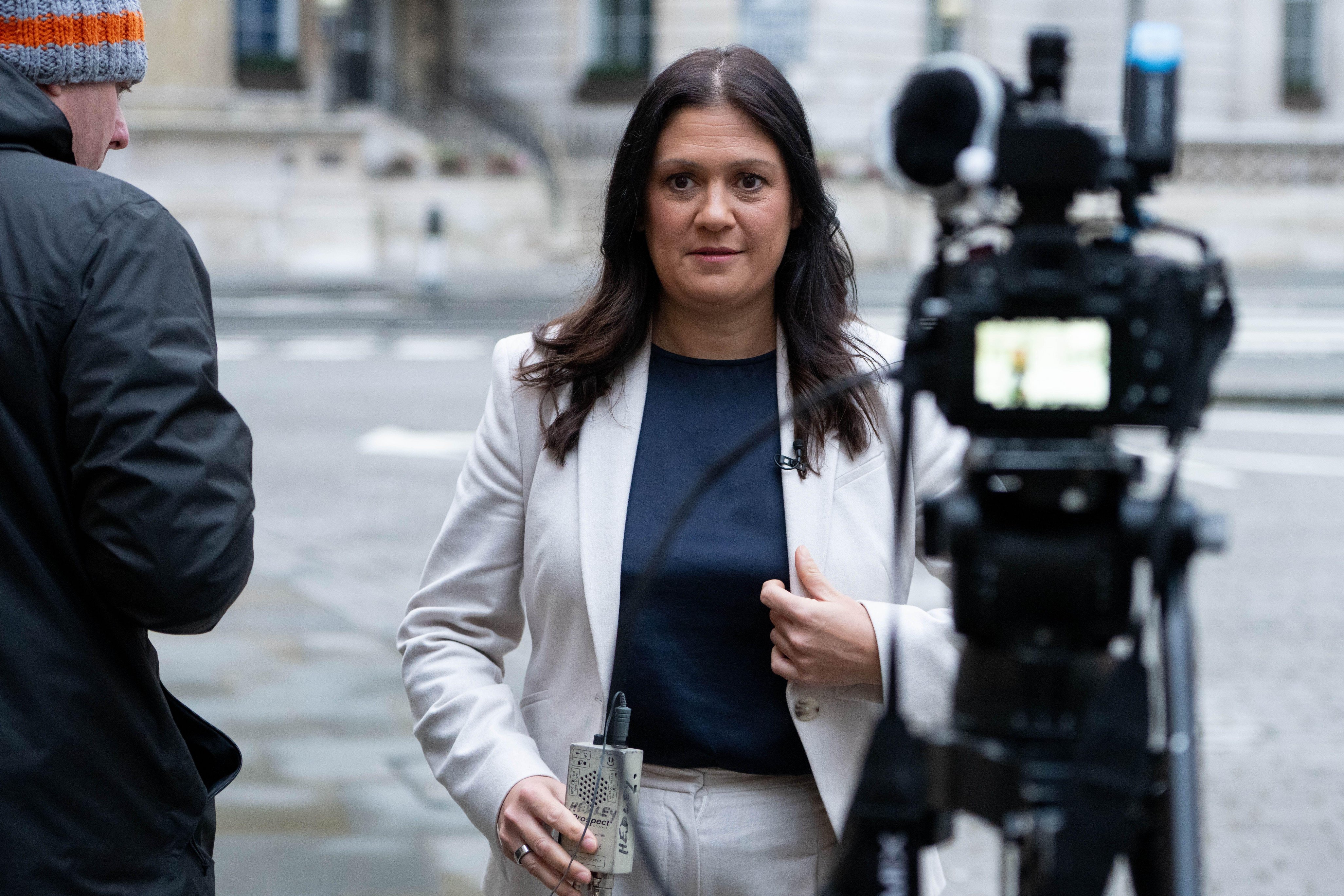
Lisa Nandy
THOMAS KRYCH/ALAMY
A DCMS spokesperson said: “We support deeper partnerships involving public service media providers that could help them address the challenges of an increasingly fragmented TV market.
“We also committed to asking the CMA and Ofcom how changes in the TV sector might impact their future assessments of the television and advertising markets. As the letters make clear, this request relates to how those regulators look at market circumstances in general.”