
(Credits: Far Out / Alamy)
Tue 3 February 2026 20:30, UK
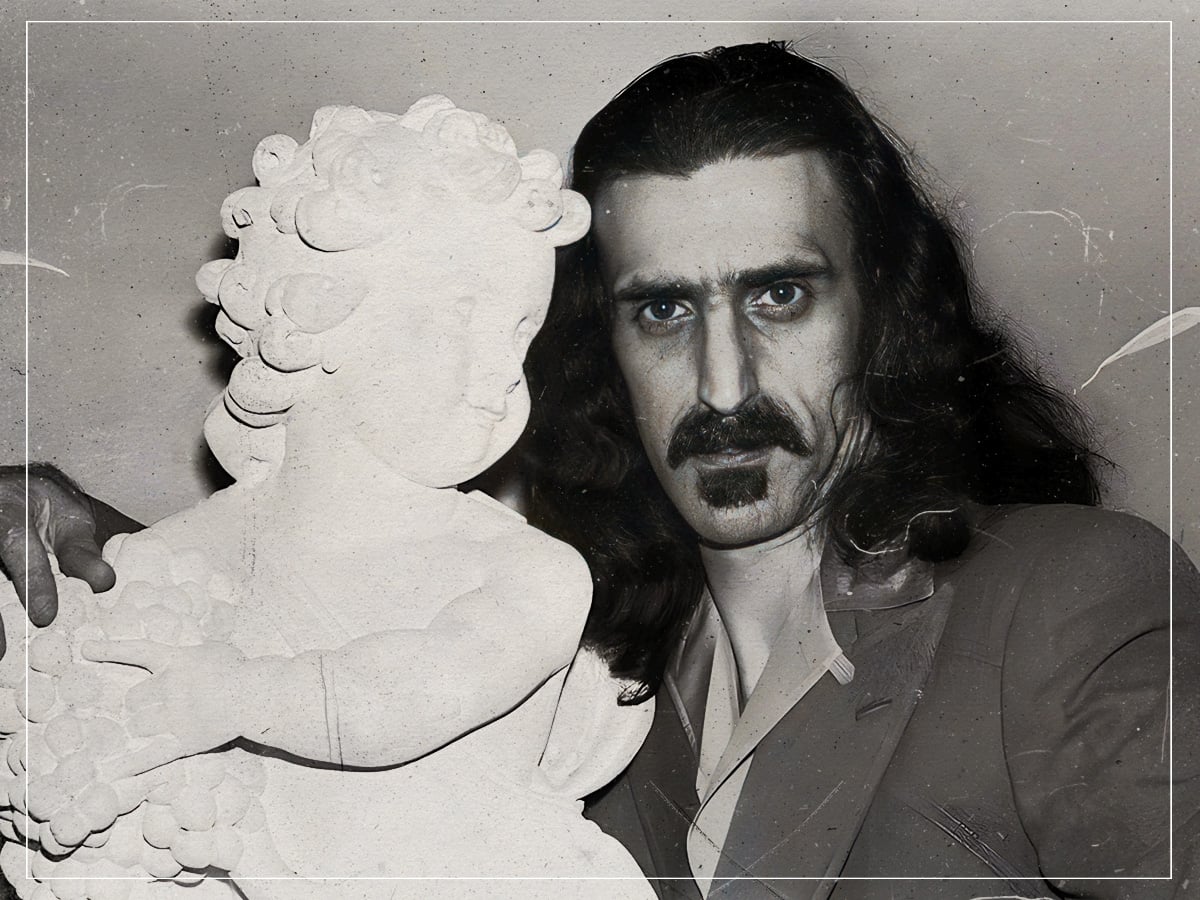
If Frank Zappa wasn’t busy being a musical pioneer, there was a clear new career ready and waiting for him.
If anyone in the history of the world has ever been born to be a critic, perhaps it was him, as Zappa could have stolen my job and done it with ease and unstoppable attitude.
In this modern and media-trained world, you just don’t get stars like him anymore. If any journalist sat Zappa down for more than five minutes, they got gold as he was never shy about starting feuds, criticising new releases or even simply just laying into the prevailing beliefs and behaviours of his era.
He had a bunch of public fights, for instance, with Lou Reed, with whom he had a fierce back-and-forth in the 1960s, when Reed said, “Frank Zappa is the most untalented musician I’ve ever heard,” adding later, “He can’t play rock ‘n’ roll because he’s a loser”.
But often, his takes came as one-sided takedowns, like calling The Beatles simply a “good commercial group”, or performing a sarcastic reggae version of ‘Stairway to Heaven’ just to annoy Led Zeppelin. He took aim at Jim Morrison, mostly as he seemed to stand for everything Zappa hated about the drug-fuelled music world. However, as the 1960s turned to the ‘70s, a new movement became the focus of his vitriol: punk.
Specifically, he hated LA punk as if the rough and rowdy energy of the music set against the sunshine and beauty of Hollywood made it even worse with its arrogant contradiction.
“Somebody figured out that because you could dress in a different costume and do punk music, they could have a punk scene in Los Angeles,” he said. It seemed as though punk elsewhere was free from the same critique, as if elsewhere it was genuine and legit, but in LA, in the land of the beautified celebrities and hordes of people striving for fame, he didn’t buy it.
It felt phoney to him, and the root of everything Zappa hated always came down to a matter of authenticity. It’s not that he hated all punk; in fact, he liked some of it, especially the tunes coming out of New York’s blossoming punk scene, picking out Blondie as a favourite when he said, “I like a couple of the songs that Blondie does,” and chose ‘X Offender’ as a favourite. It’s a choice that makes sense as Debbie Harry’s tune about a sex offender definitely appeals to his own brand of shock.
Yet, when it came to the LA scene, none of it felt legitimate to him. “You had people coming from all over the country who could probably play an instrument before they got there, but as soon as they got to Los Angeles, they forgot all of their chops, made themselves as ugly as possible, figuring that was the best way to get a record contract,” he said.
To him, it was nothing but a wave of fakers in beaten up clothes trying to conjure up a bit of angst to further their careers, adding, “And that’s the way it is”.
Related Topics
The Far Out Punk Newsletter
All the latest Punk content from the independent voice of culture.
Straight to your inbox.