
The relatively unknown condition can go undetected for years
Joan McFadden
10:00, 03 Feb 2026
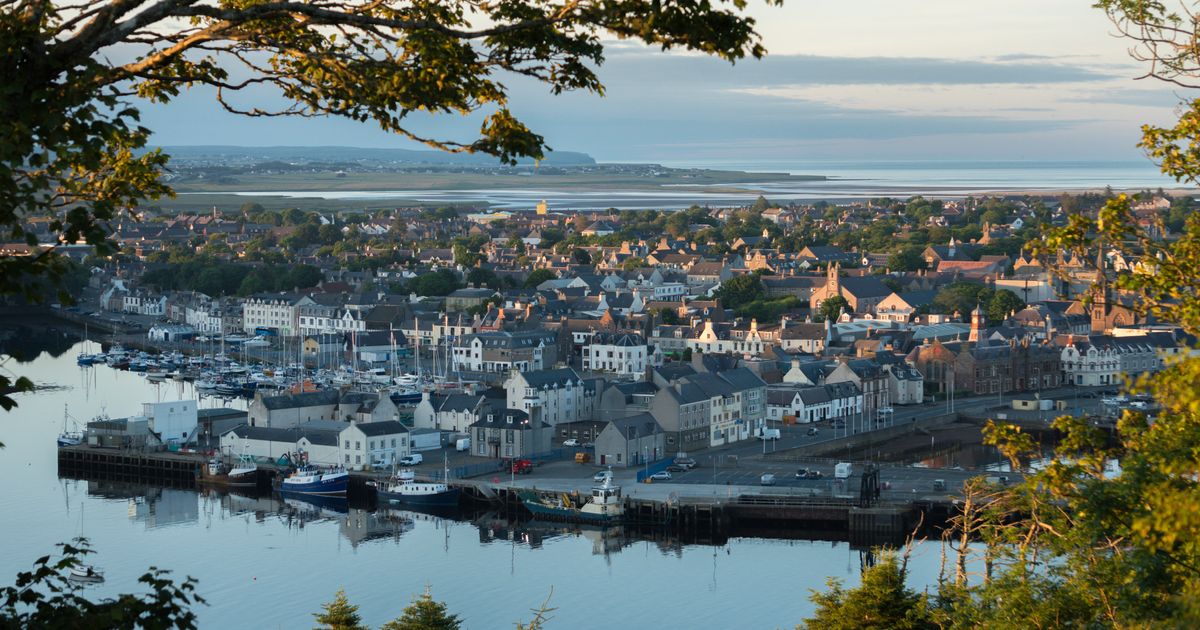
The Outer Hebrides has been pinpointed by researchers as a hotspot for a genetic disease (Image: Getty)
People from the Outer Hebrides have the highest risk in Scotland of developing a genetic disease that causes a dangerous build-up of iron in the body, a new study suggests. This is the first time the genetic risk for haemochromatosis – also known as the ‘Celtic curse’ – has been mapped across the UK and Ireland, despite a high incidence of the condition among Scottish and Irish populations.
The findings will help to target genetic screening for the condition to priority areas could help identify at-risk individuals earlier and avoid future health complications. Many people can have haemochromatosis for decades before being diagnosed, with the over load of iron that comes with the disease leading to avoidable organ damage.
Early diagnosis and treatment such as regular blood donation is key to preventing outcomes such as liver damage, liver cancer, heart failure, diabetes and arthritis. The condition is caused by small changes in DNA, known as genetic variants, which can be passed down through families
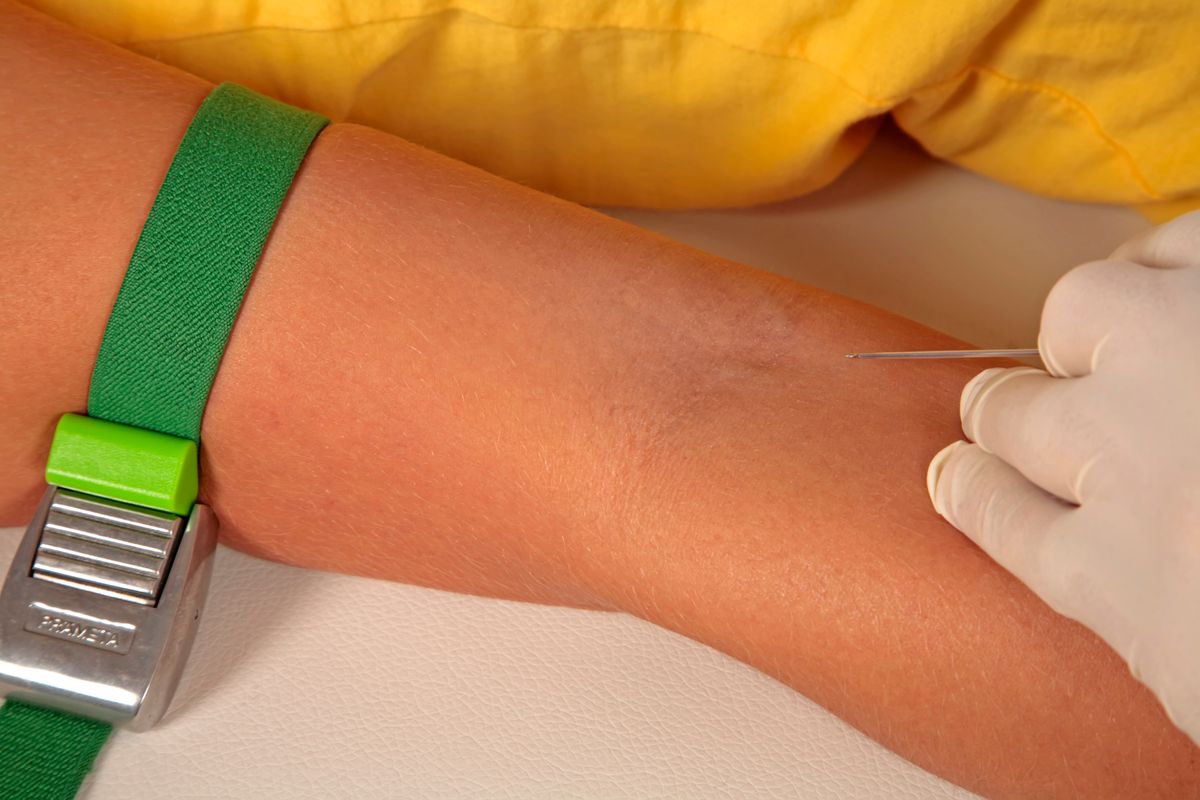
Haemochromatosis can be treated and managed by regular blood withdrawal(Image: Getty )
The most important risk factor in the UK and Ireland is a genetic variant called C282Y. Scientists at the University of Edinburgh analysed genetic data from more than 400,000 individuals in the UK BioBank and Viking Genes studies to determine the prevalence of the C282Y variant across 29 regions of the British Isles and Ireland.
John Murdo Graham (61) from Lewis was one of the 400,000 people on the study, and had also never heard of haemochromatosis until he received a letter from Professor Jim Flett Wilson about his genetic results. John booked a GP appointment in April 2025 and discovered that “my ferritin(iron) levels were sky-high.”
“Managing haemochromatosis has been tough, especially as I have a needle phobia,” said John, who works offshore “The staff at NHS Western Isles Hospital in Stornoway have been incredibly patient and supportive, helping me get my ferritin levels down.
“I’ve also had other health challenges, arthritis in my fingers, which I first noticed while playing the bagpipes. I’ve been playing since I was nine, and when my “F finger” stopped hitting the right note, I knew something was off. The doctor confirmed it was arthritis. I’ve also dealt with fatigue, my wife passing away two years ago and a torn meniscus in my knee.”
It’s been a real shock to John but he’s grateful he responded to the Viking Genes’ letter.
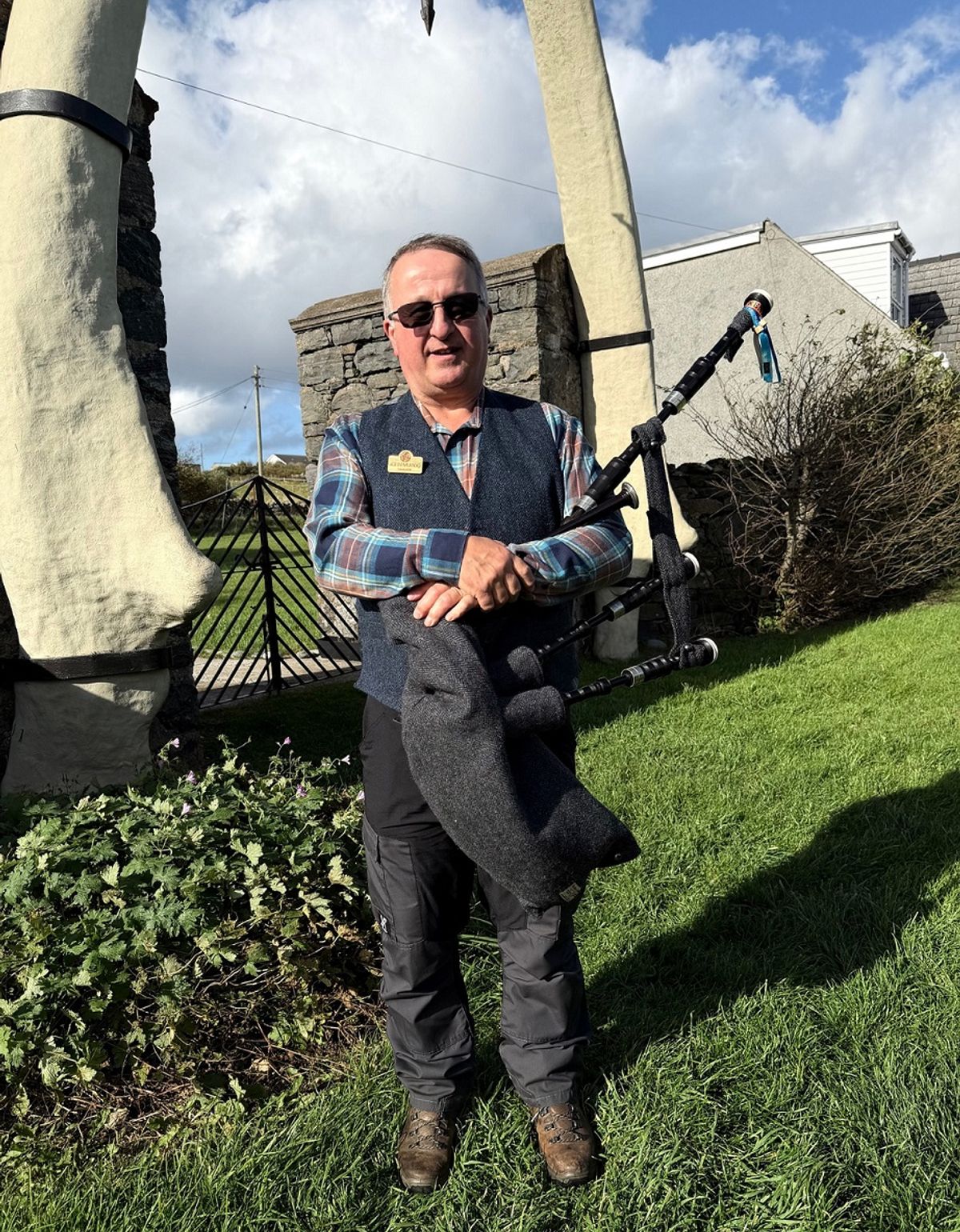
John Murdo Graham noticed his arthritis in his fingers when playing the bagpipes and was later diagnosed with haemochromatosis. (Image: John Murdo Graham )
He said: “Without it, I’d be unaware of this iron-overload condition. Now, my whole family has been tested, my brother and sister are clear,” he said. “When I was told my liver was at risk, I had an ultrasound. The mention of cirrhosis was a wake-up call.
“I’m a moderate drinker, just a glass of wine or a wee dram of whisky now and then, but the idea of dying the death of an alcoholic was sobering. I’ve got a long journey ahead to reach the maintenance stage, but I’m grateful for the knowledge, the support, and the chance to share my story. If it helps even one person get tested or feel less alone, it’s worth it.”
The study found that people with ancestry from the north-west of Ireland have the highest risk of developing haemochromatosis, with one in 54 people estimated to carry the genetic variant. This is followed by Outer Hebrideans (one in 62) and those from Northern Ireland (one in 71).
Mainland Scots – particularly in Glasgow and southwest Scotland – are also at increased risk of the condition, with one in 117 people estimated to carry the variant, corroborating the ‘Celtic Curse’ nickname.
The study, funded by the charity Haemochromatosis-UK and carried out in collaboration with RCSI University of Medicine and Health Sciences, is published in the journal Nature Communications.
“If untreated, the iron-overload disease haemochromatosis can lead to liver cancer, arthritis and other poor outcomes,” said Professor Jim Flett Wilson, Chair of Human Genetics at the University of Edinburgh.
“We’ve shown that the risk in the Hebrides and Northern Ireland is much higher than previously thought, with about one in every 60 people at risk, about half of whom will develop the disease.
“Early detection prevents most of the adverse consequences and a simple treatment – giving blood – is available. The time has come to plan for community-wide genetic screening in these high-risk areas, to identify as many people as possible whose genes mean they are at high risk of this preventable illness.”
“This is vital research for everyone unknowingly at risk of iron overload in these islands,” says Neil Irwin, Philanthropy Manager for Haemochromatosis UK.
“The dedicated work by Prof Wilson and his team shows the high prevalence of the genetics that puts generations of families at risk from serious physical and mental ill-health. Our charity will use these findings to prioritise support for communities and campaign for earlier diagnosis and treatment – which can both save lives and prevent ill-health.”
When Cathie Maclean, 73, from North Uist, was diagnosed with haemochromatosis 10 years ago, she had never heard of it. “I’d been to the doctor because I was very tired and she took blood a few times and got concerned about my liver function,” said Cathie.
“She sent a sample away for a full analysis and then called me into the surgery to tell me I had haemochromatosis. I’d never heard of it but when she explained about the excess iron and the effects of that I suspected I’d had it for years.”
As the assistant manager of a care home, Cathie had a busy life, as well as being a mum and granny. “Sometimes coming home from work I was just exhausted,” said Cathy. “With hindsight, I had the lethargy, disturbed sleep, sore joints and stiff hands that are typical of haemochromatosis, but you put it down to other things, such as aging.
“I got a number of pints of blood taken off straightaway, and I could feel the difference very quickly, as my energy returned.”
Ten years on, Cathie is very grateful that her four children have been tested for the condition, which would allow for much earlier treatment if any of them had the disease. “Two of my daughters are carriers but their husbands would also need to be carriers for their children to have a chance of getting it,” said Cathie.
“Apparently it can miss a generation and men are much more likely to get it than women. From never having heard of it when I was diagnosed I now know of many other people across the island who have it, and diagnosis means you can keep on top of it. I get blood tests every three months but I know myself if my iron levels are up – I’m absolutely exhausted, waking every hour and totally out of sorts.
“The more people who know about this the better, especially in the Hebrides with such a high risk of getting it.”
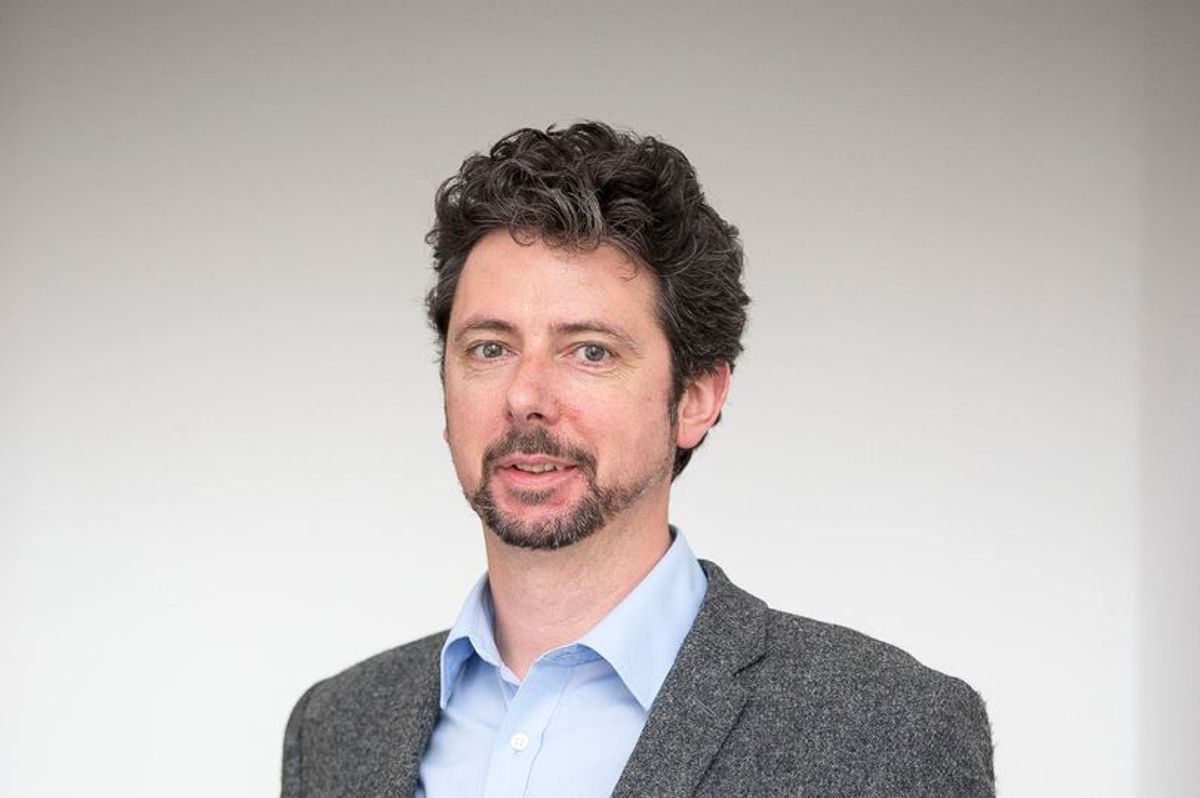
Torcuil Crichton, the the Labour MP for Na h-Eileanan an Iar, is supporting calls for community screening for haemochromatosis genetic variants in the Western Isles.
Torcuil Crichton, the Labour MP for Na h-Eileanan an Iar (the Western Isles), has haemochromatosis and supports the call for community screening for haemochromatosis genetic variants in the Western Isles.
He said: “Early identification, which I was lucky to have, means a whole range of bad health outcomes can be avoided, and I’ll be urging Ministers and the Screening Committee to reconsider their stance.”