
A vulnerable woman was left wearing the same clothes for two weeks after being sectioned at a mental health hospital in Nottinghamshire.
A female patient told her story to Nottinghamshire Healthcare NHS Foundation Trust board members at a meeting on Thursday, January 29.
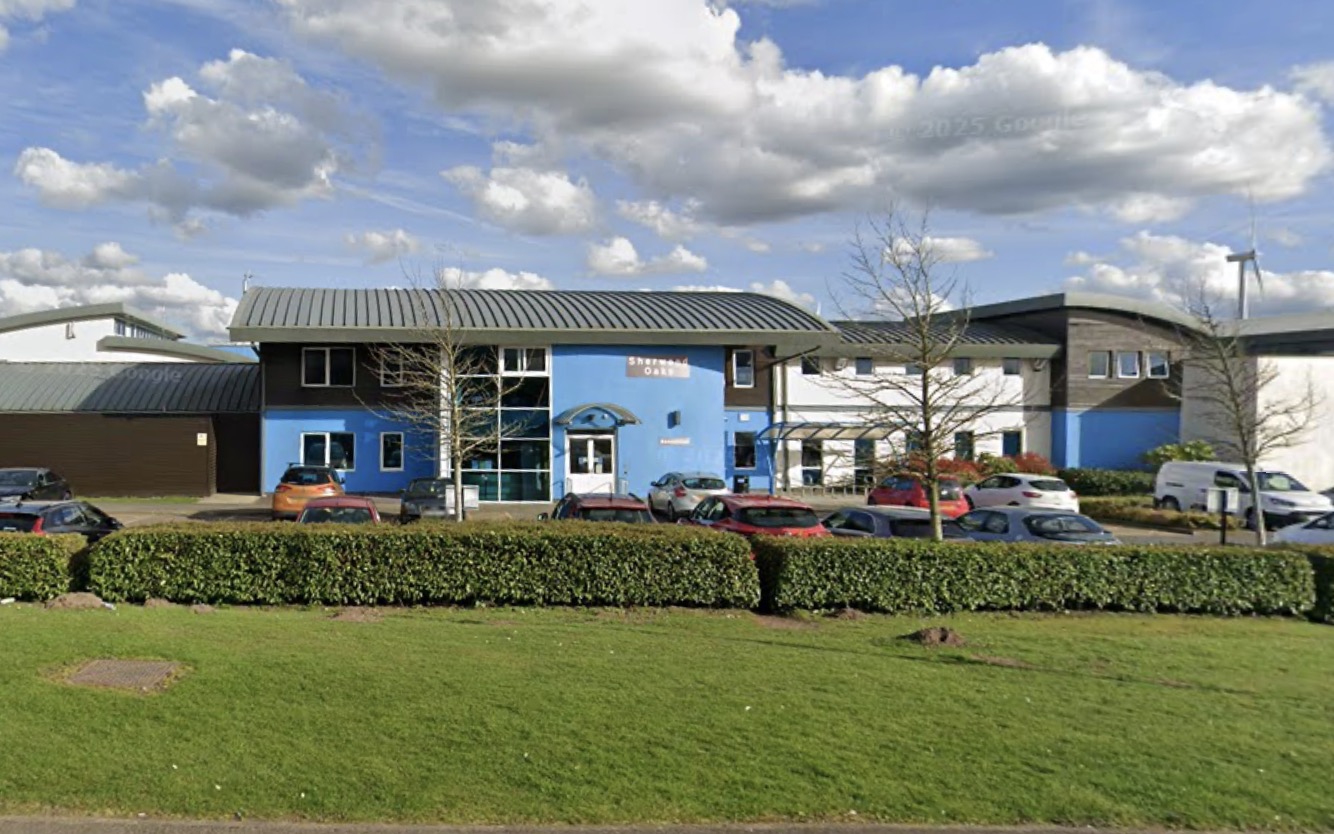
Having been sectioned at Sherwood Oaks Hospital, in Mansfield, which is run by the Trust, she said she arrived without any of her personal belongings due to the ‘chaotic nature’ of her admission.
But instead of being provided with information on where she could get clothes – from a spares bag – she was left to her own devices and did not find out about this for an entire fortnight.
She said: “I felt very overwhelmed by the number of professionals who were making decisions about my care without me having much knowledge or understanding of the process.
“This meant I didn’t have a change of clothes for about two weeks as I wasn’t made aware that there was a bag of spare clothes I could’ve borrowed while arrangements were made to receive my own clothes in the long run.
“I found at this point that while medical needs were being met, it felt very much like my basic needs for clean clothes weren’t, and this was very difficult for me to deal with.”
Having first dealt with mental health services in 2020, she was sectioned three times between December 2024 and September 2025 – once at Highbury Hospital, in Nottingham, and twice at Sherwood Oaks.
Both are run by Nottinghamshire Healthcare.
When she arrived at Highbury for the first time, after being sectioned, she had her own personal belongings with her, having packed for Christmas.
But when she arrived, her room was not ready, she says, and there was no bed linen on the bed.
She said: “This was a surprise. No one came with information to tell me what was happening on the ward or in the hospital or what to expect with regard to routines.”
She was discharged in January, last year, but sectioned again in March at Sherwood Oaks.
Again, she said she was not given any information on what to expect from the routines of the ward or the hospital.
She said: “It often felt like there was an assumption that I would know what the process of a section was and my rights, but I felt more could have been done to explain this to people who’d never been an inpatient before.
“Even though paperwork is given, it can be very overwhelming at the time and very confusing to read when you are unwell.”
And this time, because she was sectioned by police on an urgent basis, she did not have any clothes with her.
She also reflected on other areas of her care that she felt could have been improved.
She suggested an emphasis, when staff asked about her wellbeing, on her feelings and emotions, rather than whether she’d been involved in activities and whether she’d eaten and had anything to drink.
She also suggested providing an easy-read version of paperwork for people with low literacy levels.
She said care wasn’t always cohesive and joined up, and also pointed out the ‘distressing’ alarms that would go off during an emergency.
She did say that she found all staff to be supportive and hard-working, and that good cleaning staff made her environment feel clean and comfortable.
She concluded by saying she was grateful for the care and help she received.
Diane Hull, chief nurse, Nottinghamshire Healthcare, said: “Listening to the experience of people who use our services is so important. We are very grateful to those who come along to share their experiences with the Board in the spirit of learning and improving.
“By giving us their time and their honest feedback, we can learn from both the positive and where we could do better, so that we can make meaningful change. However, it is also important to note that she spoke of the compassionate care she received.
“I want to thank the patient for sharing her story and giving us her time and personal insight into her many varied experiences of her care, as she continues to work with us to make improvements that will make a difference to patients now and in the future.”