
Electric propulsion allows satellites to manoeuvre, maintain their orbits, and travel further into space whilst using less fuel than traditional chemical rockets.
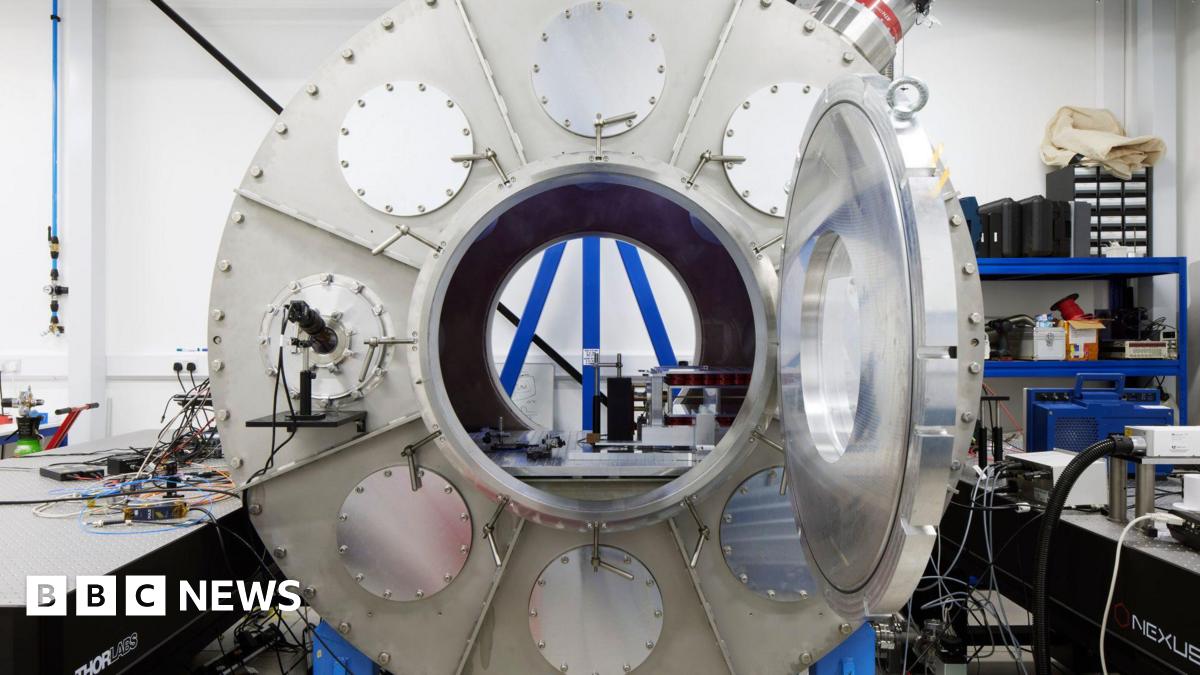
To facilitate the technology’s development, the new Harwell site features various areas, including a 2-metre-wide vacuum chamber where thrusters can be tested.
The facility was part-funded by the UK Space Agency, which invested £1.8m into the site.
Dr Paul Bate, the agency’s chief executive, said the new lab was a “fantastic example of how targeted investment can deliver real impact”.
“Electric propulsion is fundamental to the future of satellite technology, and by providing accessible testing capabilities, DEEP Lab will accelerate innovation across the industry,” he explained.
Mark Stokes, co-founder and CEO of the main users of the site, Magdrive, added that the new facility would “create new opportunities for collaboration and discovery”.