
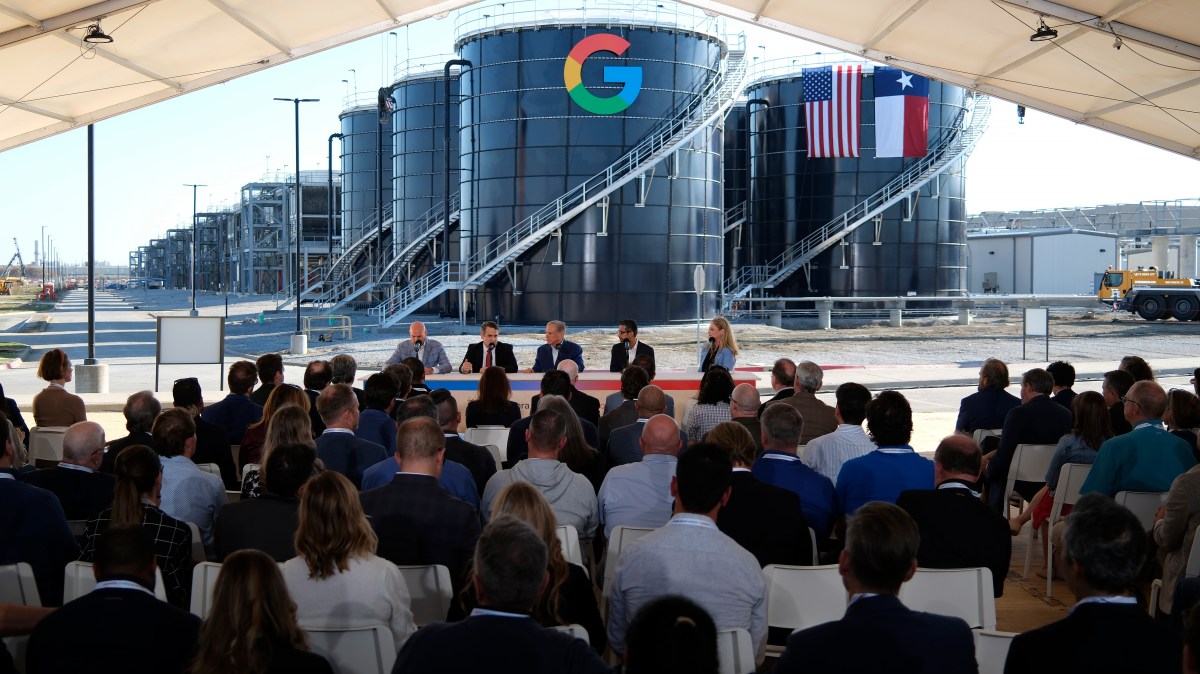
Google’s parent company Alphabet is targeting capital expenditure of $175 billion to $185 billion this year, in yet another aggressive ramp-up in spending as it deepens its investments to push ahead in the AI race.
Analysts on average had expected Alphabet to spend about $115.26 billion this year, according to LSEG data.
The company announced its spending plans as it reported fourth-quarter revenue of $113.8 billion, up 18 per cent year-on-year and narrowly ahead of Wall Street expectations of $111.3 billion. Net income rose 30 per cent to $34.5 billion over the same period, beating consensus forecasts of $31.9 billion.
Shares of Alphabet were $3.92, or 1.4 per cent, lower at $328.88 in after-hours trading.
Alphabet, headed by Sundar Pichai, has emerged as a leader in artificial intelligence after overcoming fears that start-ups like OpenAI would eat into its internet search business. Google has developed its own successful Gemini AI model. It is also producing its own custom chips, which investors hope will become a growth area.
The Gemini AI assistant app exceeded 650 million users a month in November, while the company’s AI Overviews feature in search also reached more than 2 billion monthly users.
Nikhil Lai, principal analyst at Forrester, the analytics firm, said: “Alphabet’s record ad revenue in the fourth quarter of 2025 signals Google’s search advertising’s sustained momentum and decent performance from YouTube, which is bigger than Netflix. Google’s search ad revenue is, for now, resilient to searchers’ diversification beyond Google.”
Last month Google struck a deal to power Apple’s revamped Siri voice assistant with its Gemini models, a partnership that unlocks a huge market for Google, with Apple’s installed base of over 2.5 billion devices.
• Which free AI is the best? We put Gemini, ChatGPT and Grok to the test
Optimism around Alphabet’s innovation in AI has pushed its shares close to a record high, giving the company a market capitalisation of more than $4 trillion, not far behind the $4.3 trillion valuation of Nvidia, the world’s largest publicly traded company. Alphabet outperformed the other “Magnificent Seven” US technology firms last year, rising more than 64 per cent. So far this year it is continuing to lead the group, up 6 per cent.
Last week Microsoft reported slowing growth in its cloud business, leading to a sharp sell-off as investors fretted about AI spending. However, Meta shares rallied after a strong revenue forecast helped to calm nerves about its huge spending on AI infrastructure.
The S&P 500 and the Nasdaq both suffered from the rush to sell AI-tech related shares. By the close of normal hours trading in New York last night, the former had fallen 0.5 per cent to 6,882.72 while the tech-heavy Nasdaq dropped 1.5 per cent to 22,904.58.
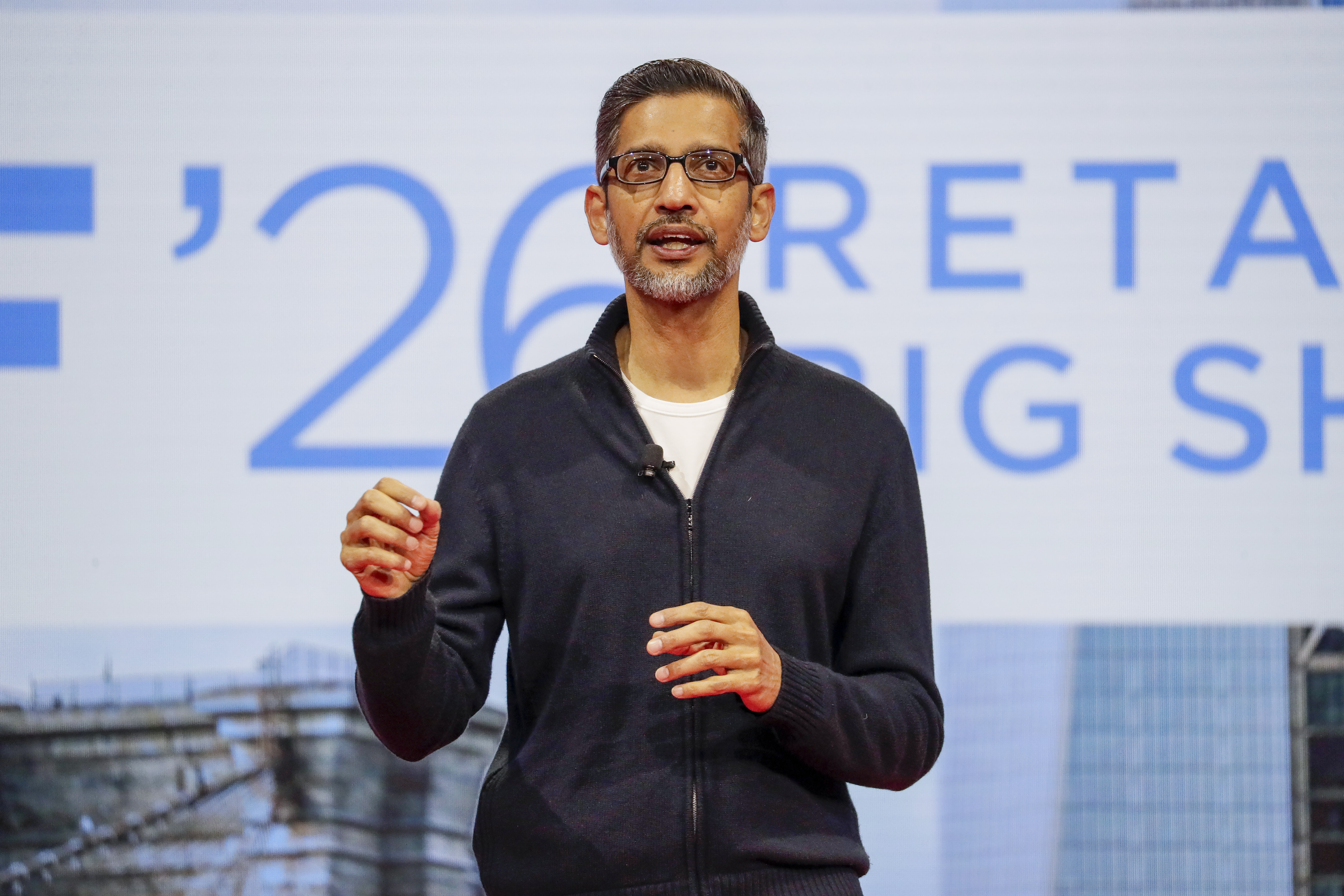
Sundar Pichai, chief executive of Alphabet
SPLASH
Tech firms were out of favour as investors worried about pricey valuations and whether Wall Street’s AI rally has reached its peak. Advanced Micro Devices tumbled 17 per cent after the chipmaker forecast disappointing quarterly revenue and cited tough competition against the AI heavyweight Nvidia, while Palantir, the data analytics and software company, fell 12 per cent.
Jed Ellerbroek, a portfolio manager at Argent Capital in St Louis, said: “The size of the infrastructure buildout is unprecedented, and the pace of consumers and businesses adopting AI tools is also unprecedented. The stock market is having a really hard time knowing where to price the stocks and what the future looks like … The market is suddenly sceptical and concerned.”