
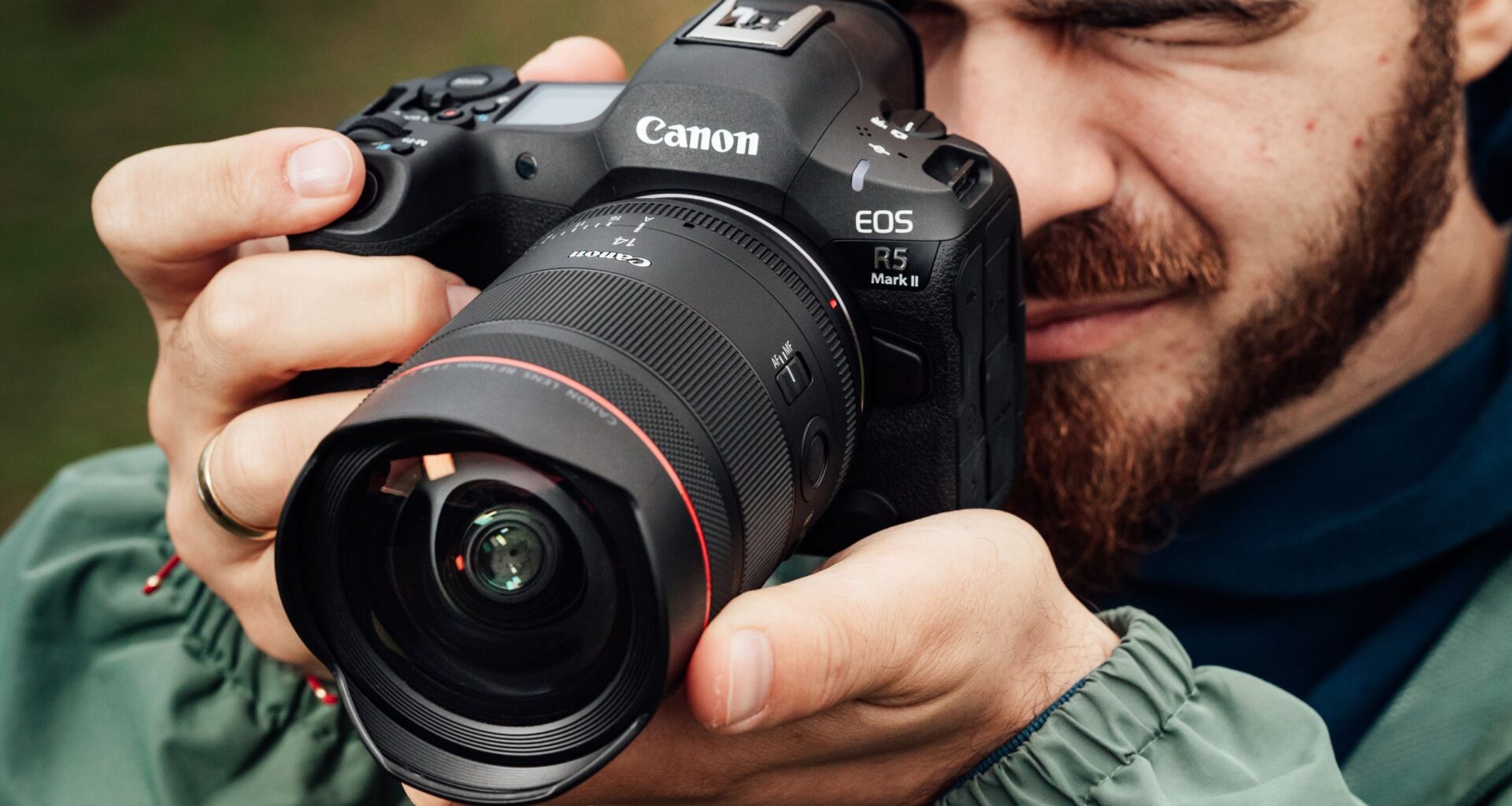
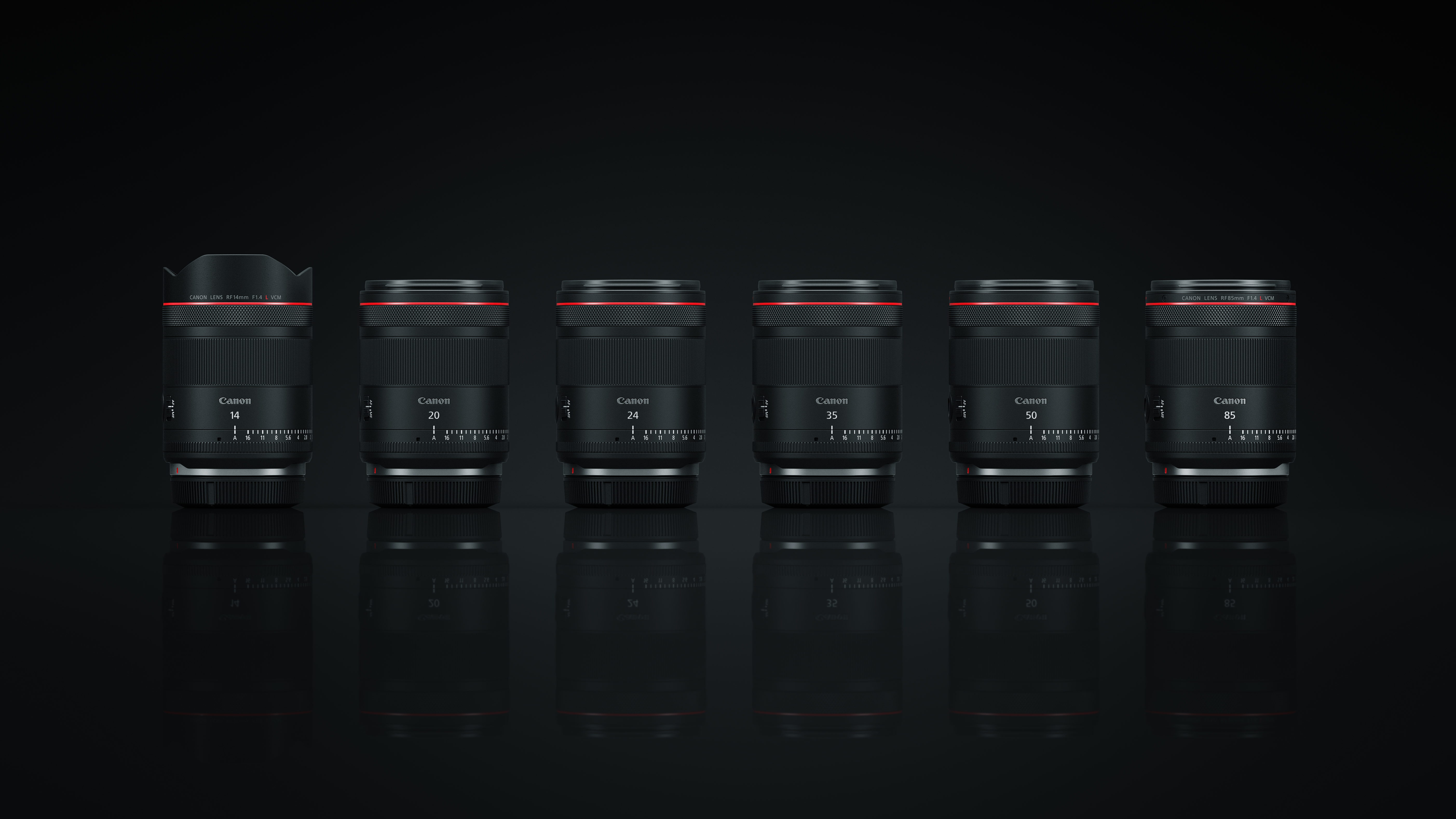
Canon has unveiled its widest hybrid prime lens yet – the Canon RF 14mm f/1.4L VCM – expanding Canon’s photo- and video-friendly lineup to a total of five primes and two zooms.
The lens should be perfect for astrophotography, architecture, and landscapes. The hybrid 14mm f/1.4 is aimed squarely at both photographers looking for a wide-angle prime that doesn’t compromise on quality and videographers who rely on the quick and silent autofocus and the option to quietly change aperture on the fly.
The fast f/1.4 aperture is paired with an 11-blade diaphragm, which promises smooth out-of-focus rendering while also supporting low-light and night-sky work where ultra-wide coverage and light-gathering power are critical.
You may like
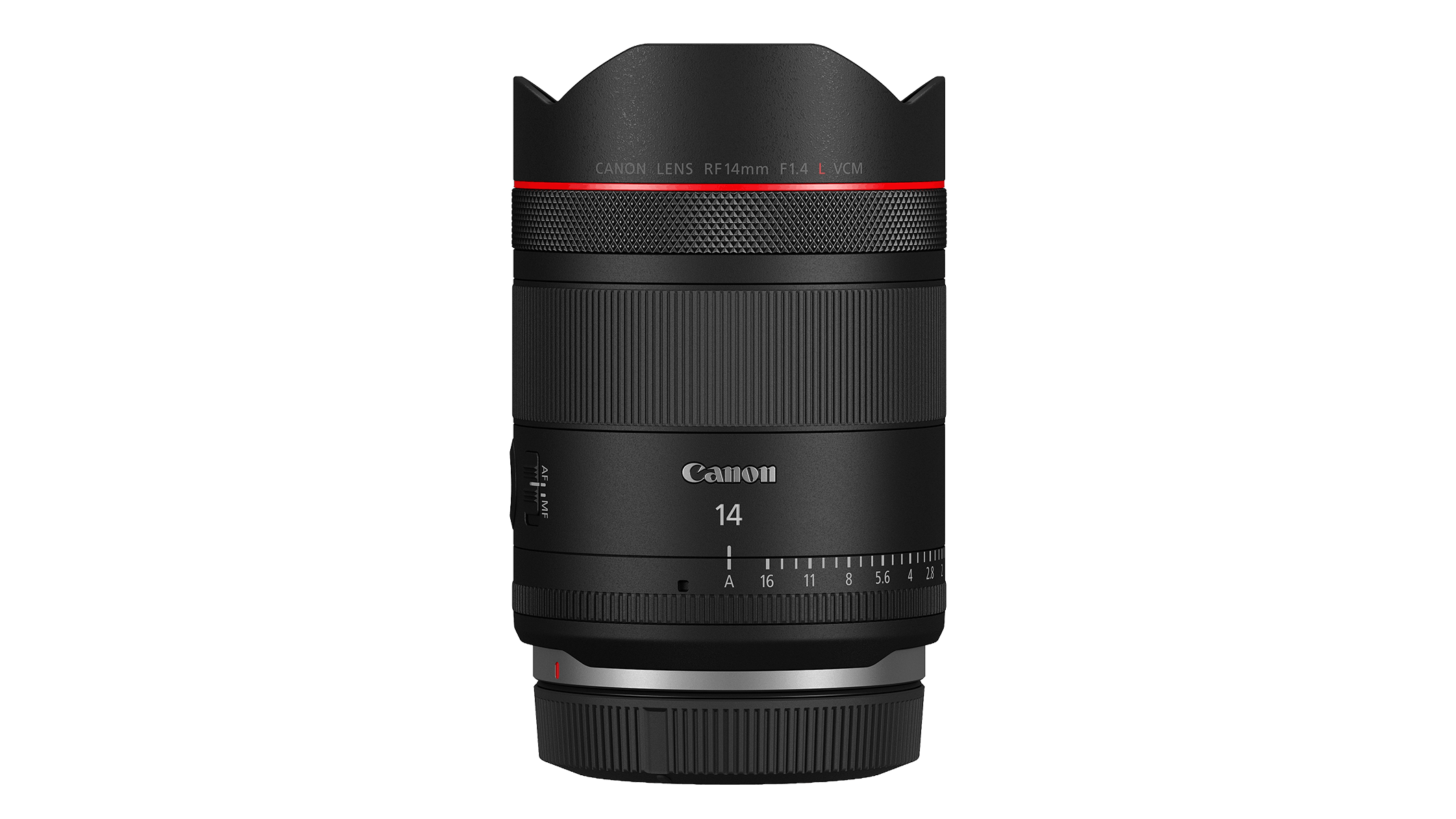
Physically, the lens weighs 578g. All of Canon’s hybrid primes fall within a tight 519g–636g window to maintain consistent balance across rigs and gimbals, and the 14mm sits comfortably in the middle. The lens measures 76.5 x 112mm, including its integrated hood, which contributes to it being slightly longer than other VCM primes.
Compared to the Canon EF 14mm f/2.8L II USM, the new lens comes with a much brighter aperture, and it undercuts the older model by 67g, although it isn’t quite as compact.
(Image credit: Canon)
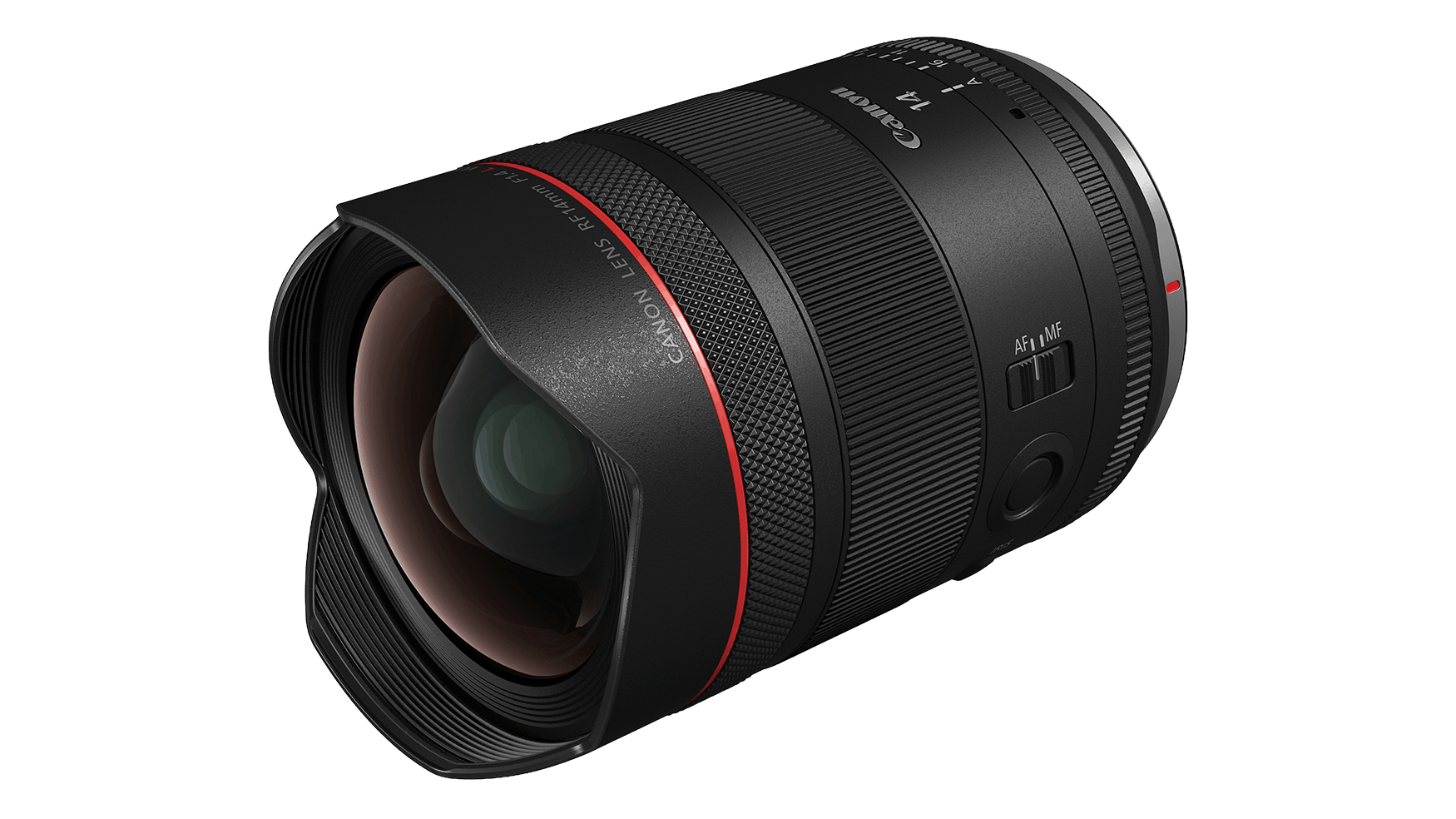
Optically, the new lens design uses 18 elements in 13 groups, including three GMo aspherical elements to suppress sagittal coma flare – a key concern for astrophotography. There’s also one UD element, one BR (Blue Spectrum Refractive) element, and one fluorite element for correcting chromatic aberration. Canon notes this is its first ultra-wide lens to use fluorite, a material more commonly found in super-telephoto glass such as 400mm f/2.8 and 600mm f/4 lenses. Lens coatings include dual Subwavelength Structure Coating (ASC) and Super Spectra for reducing ghosting and flare.
Canon says the RF 14mm f/1.4L VCM delivers improved sharpness at both the center and edges compared with the EF 14mm f/2.8L II, and also claims better edge performance than the Sigma 14mm f/1.4 DG DN Art.
Image 1 of 3
 (Image credit: Canon)
 (Image credit: Canon)
 (Image credit: Canon)
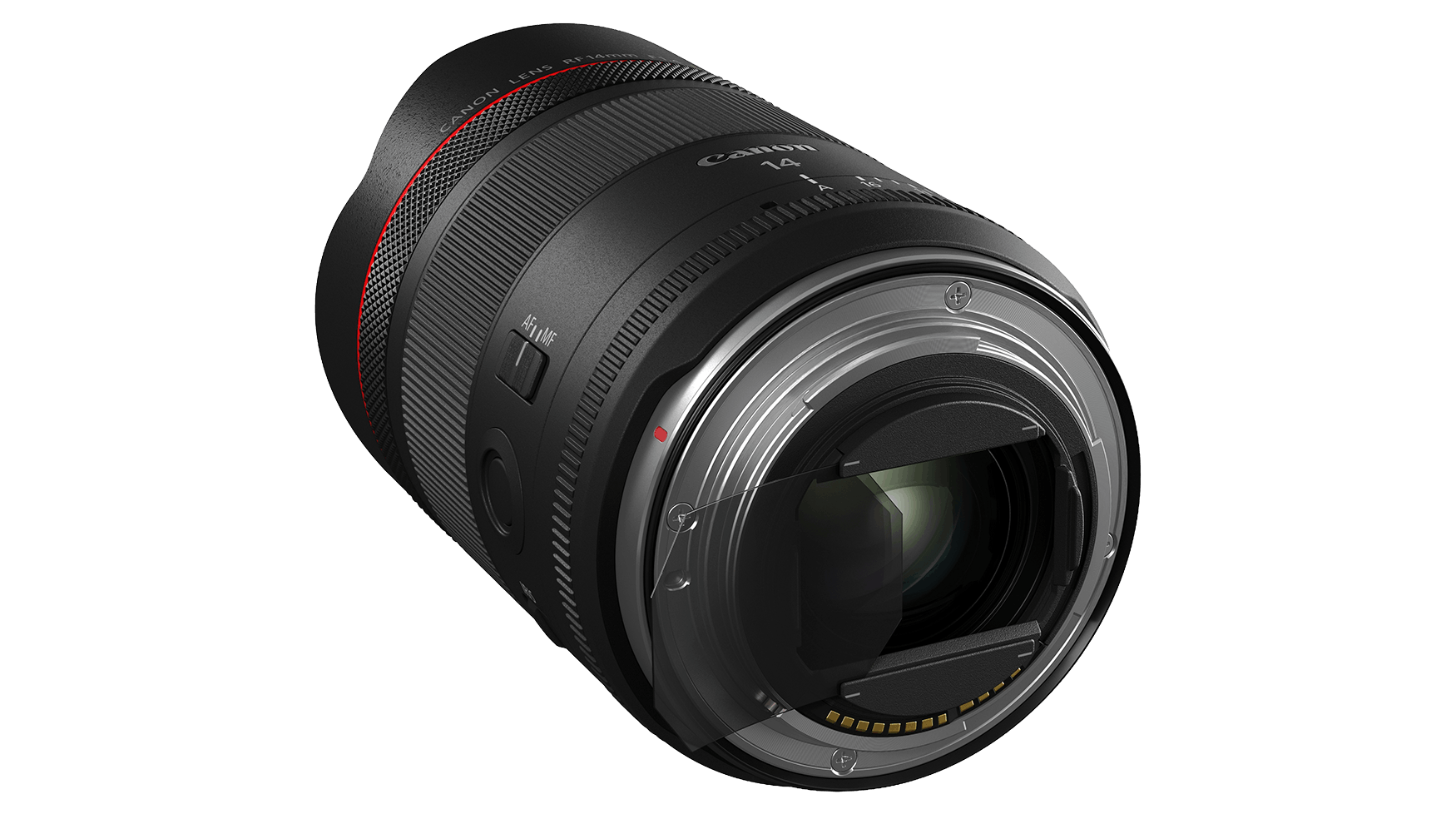
Focusing is handled by Canon’s latest Voice Coil Motor (VCM) autofocus system, which, based on my past experience with these lenses, delivers a faster and even quieter focus drive than Canon’s USM or STM technology. Video shooters also get an iris control ring on the lens barrel, complete with a locking Auto setting to hand aperture control back to the camera body. Finally, due to the convex glass at the front, preventing the use of screw-in filters, there’s a rear-mounted gelatin filter slot.
14mm is perhaps not the most ideal focal length for close-up work, but should you want to get tight for some unique perspectives, the minimum focus distance is 24cm, with a maximum magnification of 0.11x.
The Canon RF 14mm f/1.4L VCM will be available from February 26, and all that advanced glass makes it the most expensive lens in Canon’s VCM prime lineup, priced at $2,599 / £2,399.99 / AU$3,899.
Today’s best Canon RF 14mm f/1.4L VCM deals
Sample images shot on the Canon RF 14mm f/1.4L VCM:

(Image credit: Canon)

(Image credit: Canon)

(Image credit: Canon)

(Image credit: Canon)You might also like…
Check out more of the best Canon RF lenses or best lenses for astrophotography.