
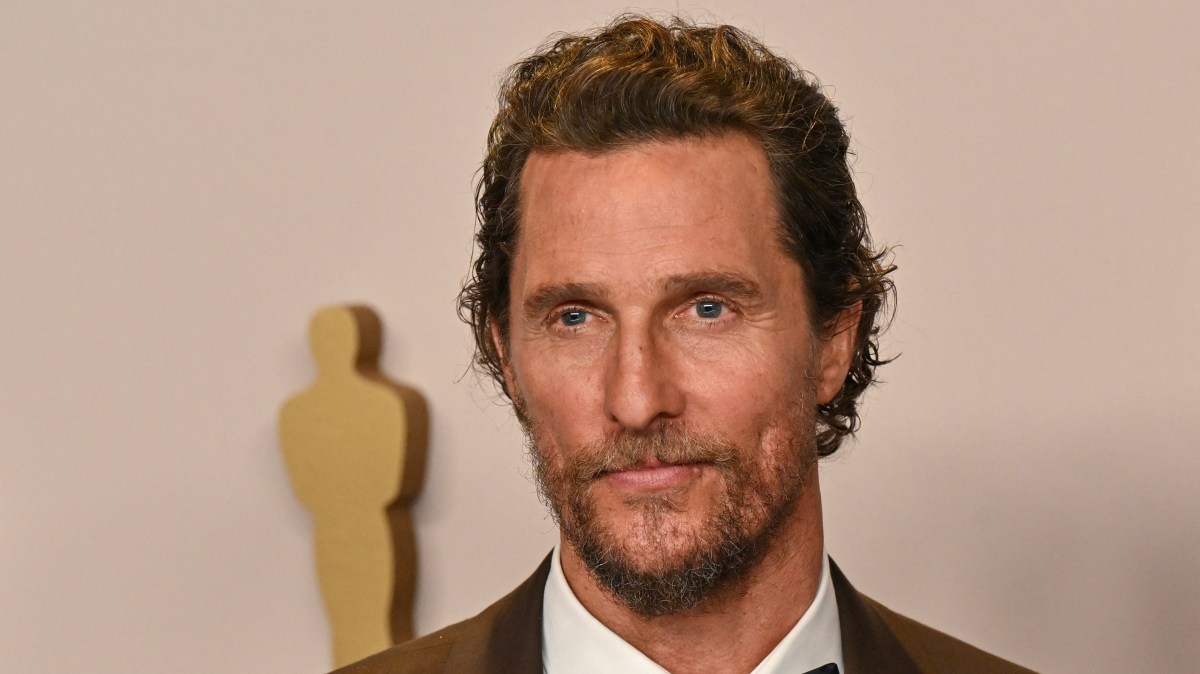
A London-based business which uses artificial intelligence to generate realistic sounding human-like voices has raised $500 million in a deal which values it at $11 billion.
ElevenLabs, one of the UK’s most valuable private companies, said the latest funding round was led by Sequoia Capital, a Silicon Valley venture capital firm. Its other backers include Andreessen Horowitz, also an American venture capital firm, and Matthew McConaughey, the Oscar-winning actor.
The deal more than triples the company’s valuation from a year ago and brings the amount it has raised since it was founded in 2022 to $781 million.
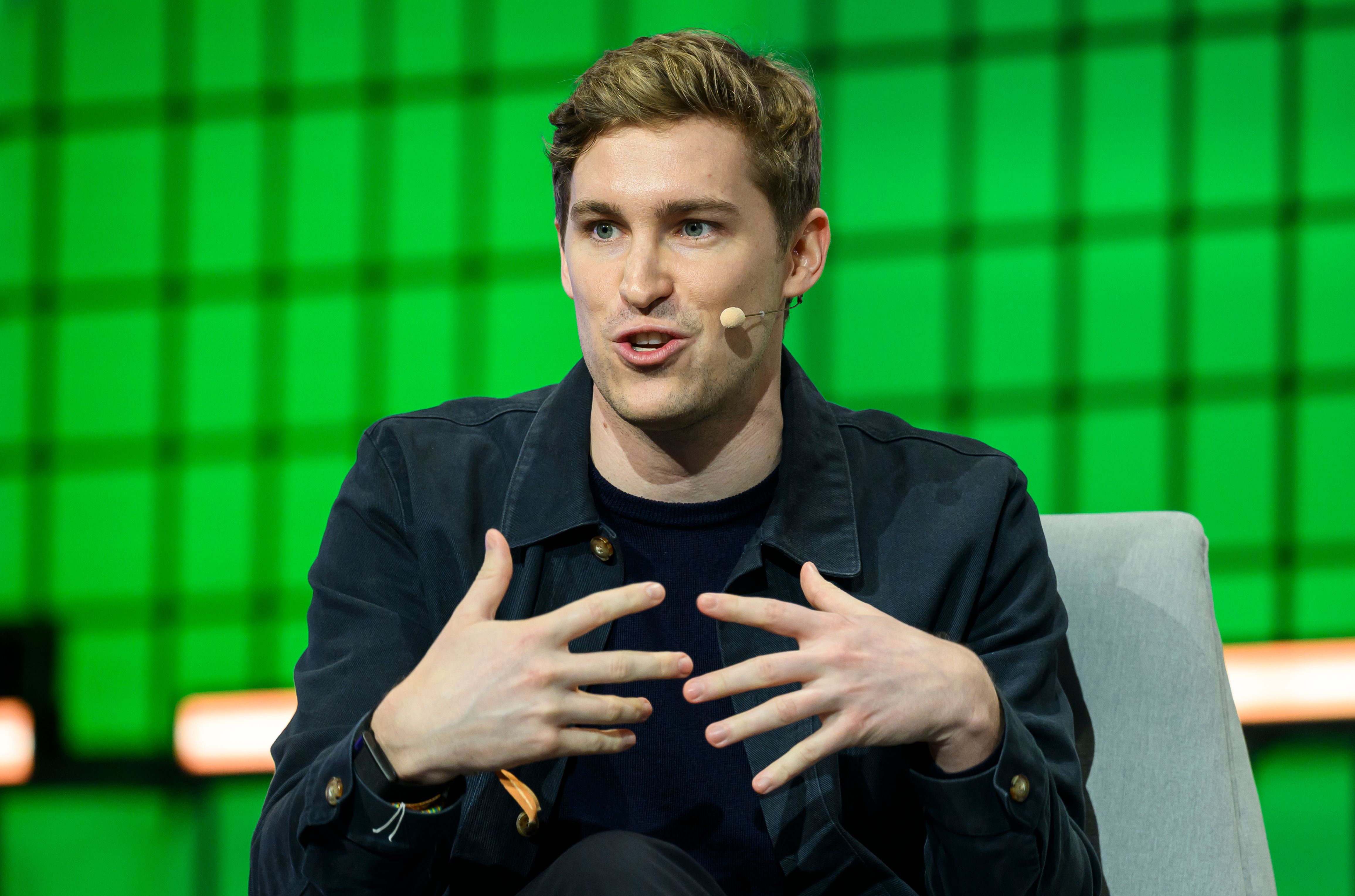
Mati Staniszewski, above, co-founded ElevenLabs with Piotr Dabkowski after they watched inadequately dubbed movies
NOUSHAD THEKKAYIL/NURPHOTO/SHUTTERSTOCK
ElevenLabs says it allows users to turn text into “ultra-realistic” human-like speech, as well as compose music “in any genre”, or design sound effects.
Applications include businesses using its software to create “human-sounding agents in 32 languages” who can deal with customers. Customers include Deliveroo, Deutsche Telekom, Square, Revolut and the Ukrainian government.
The software company has faced challenges including criticism that its technology has been used to generate controversial statements in the vocal style of well-known individuals. It settled a lawsuit last year with actors who accused it of misappropriating their voices.
ElevenLabs was founded by Piotr Dabkowski, 31, a former Google software engineer, and Mati Staniszewski, also 31, a former employee of Palantir. Their inspiration apparently came from watching inadequately dubbed American films.
In November the company announced it had partnered with a range of actors and their estates to launch the “iconic voice marketplace”, whereby stars including Michael Caine and Liza Minnelli license their voices.
The marketplace allows customers to request voices for their projects, with rights holders then able to approve or reject the request. It is among the latest examples of AI companies reaching agreements with rights holders amid concerns about abuse of intellectual property by the industry.
In August ElevenLabs launched an AI music generator which claims it can provide “studio-quality tracks instantly, any genre, any style, vocals or instrumental, in minutes using simple text prompts”.
Jennifer Wexton, an American politician, has used the software to give a speech in a synthesis of her own voice after a rare neurological disorder affected her ability to speak.
McConaughey has used the software to make his newsletter, Lyrics of Livin’, available in Spanish but in his own voice.

Deliveroo is among the companies that use ElevenLabs’s software
GETTY IMAGES
Dabkowski said: “We started by building a voice that could sound human — and we did. Today we are building foundational models across … text to speech, transcription, music, dubbing and conversational models with a world-leading research team.”
ElevenLabs said it would use the funding to expand its research and product development and continue its international expansion. It said it was advancing research “beyond voice into transcription, music, voice cloning, [AI] agents, and more”.
The valuation of the funding round suggests valuations of the most promising private AI companies are still rising despite growing concerns of a bubble in the industry.