
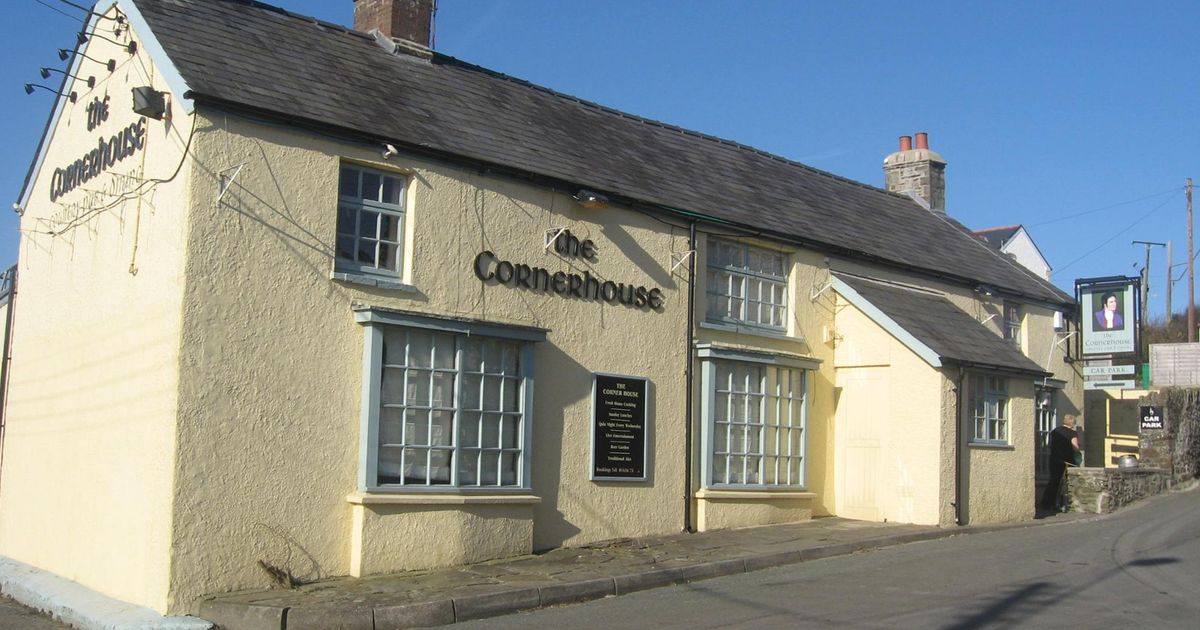
Dozens of people were left unwell after tucking into a Sunday lunch at the Corner House Inn in Llangynwyd, near Maesteg, South Wales last November – authorities now know why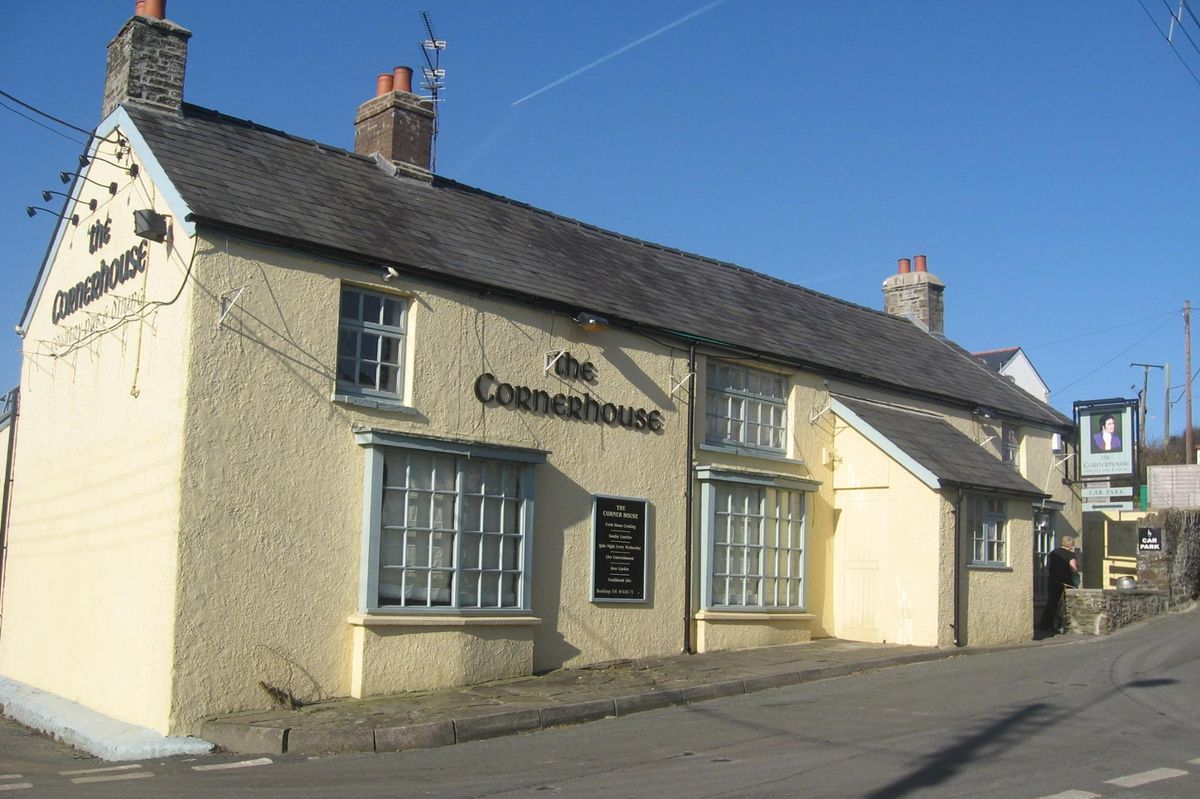
Dozens of people became unwell after having a Sunday lunch at the Welsh pub(Image: Facebook)
Investigators have pinpointed what they believe is the cause of a mass Sunday lunch food poisoning incident at a pub that left more than 40 people sick.
Inspectors said 43 people were sickened by the bacteria clostridium perfringens after eating at the four-star rated Corner House Inn in Llangynwyd, near Maesteg, South Wales. They were left with debilitating symptoms, including stomach cramps and diarrhoea after enjoying a Sunday lunch on November 30 in a poisoning incident that left the eatery “devastated”.
Public Health Wales (PHW) has now revealed the source of that bacteria, which served as the “most likely source of infection” on the fateful day last year.
READ MORE: Another Nestlé baby formula product recalled over food poisoning fearsREAD MORE: Easy ‘steam’ trick to clean your air fryer in 5 minutes without scrubbing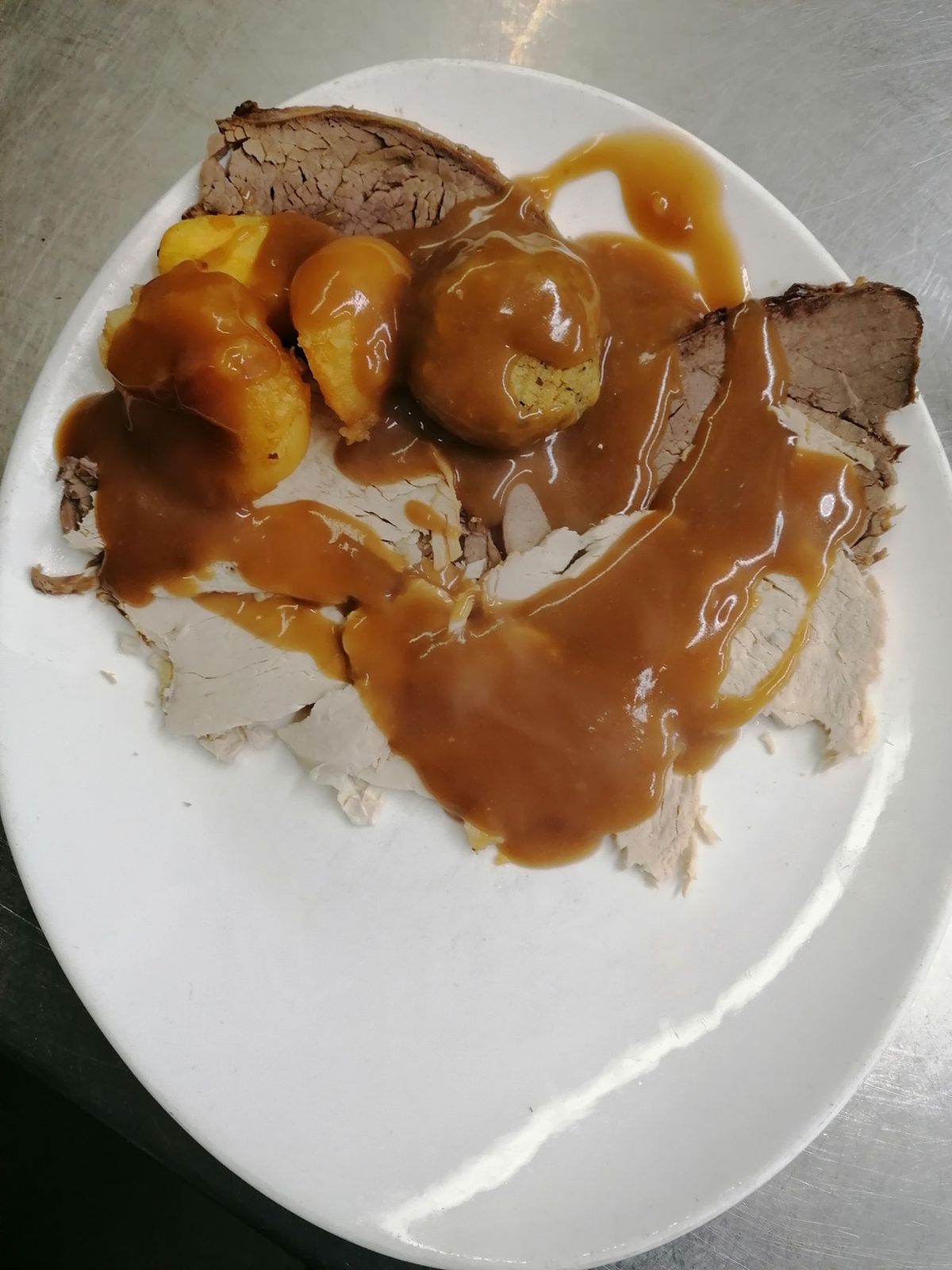
Sickness-inducing bacteria has been traced back to the meat of a Sunday lunch(Image: Facebook)
Clostridium perfringens breeds in food that is cooked and then kept warm for an extended period of time, and PHW inspectors found the meat in the roast dinners had likely been that breeding ground. Siobhan Adams, consultant in health protection, told the BBC it has since been concluded there is “no continuing risk” to people who visit the pub.
She said: “We would like to thank everyone affected by this incident for their cooperation and understanding throughout the investigation. We would also like to thank our partner organisations for their invaluable support. We are grateful to the business involved which has cooperated with the investigation throughout. Based on the evidence available, the investigation has now concluded and there is no continuing risk to people who visit the premises.”
The pub closed for a “deep clean” following the November outbreak, after staff were informed that “some of our customers” had become “unwell”. Speaking at the time, pub said: “Sadly we were informed on Monday of some of our customers from Sunday have become unwell. We have taken all necessary steps to work with the customers and environmental health to find out the cause for this.
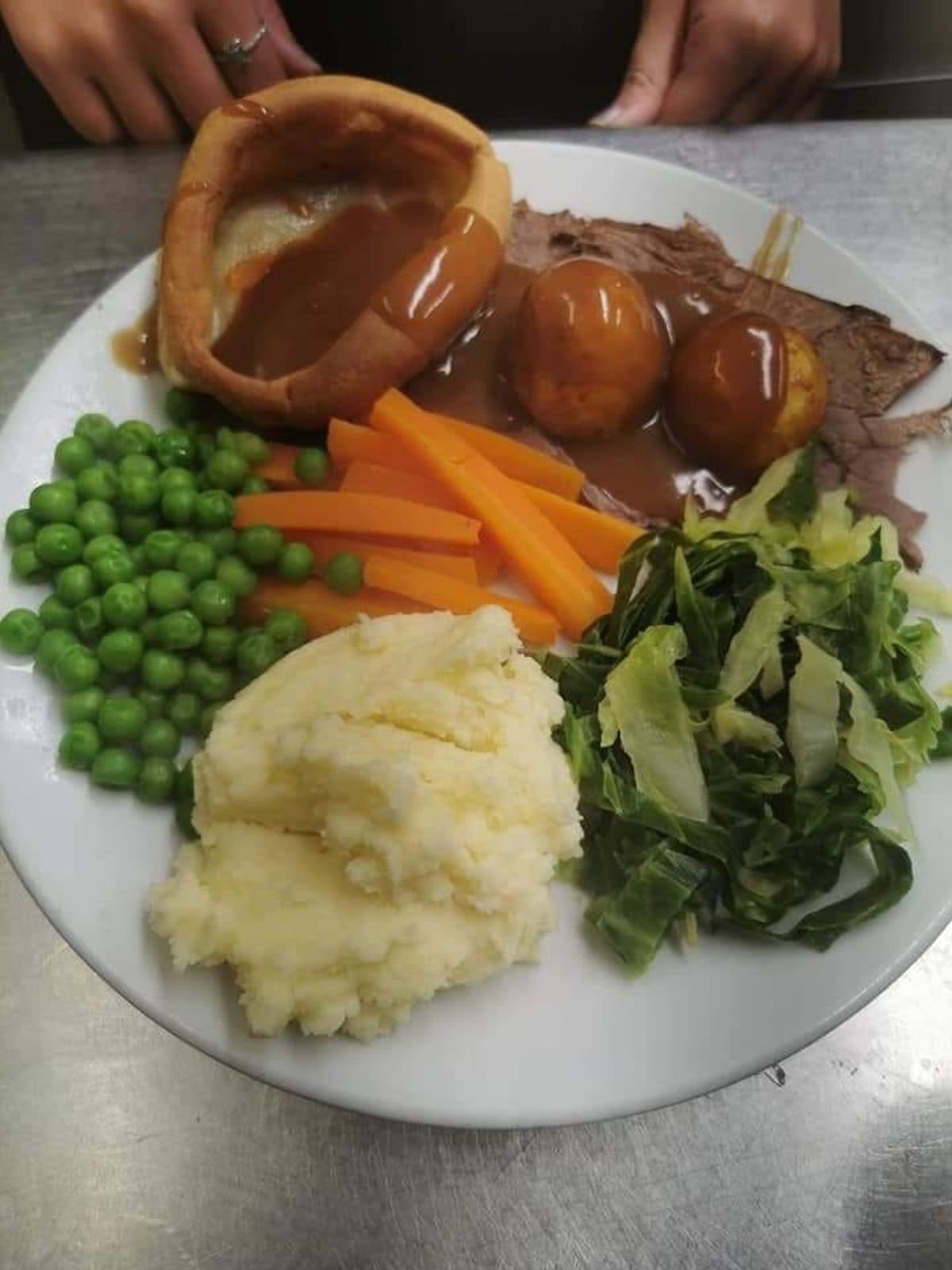
The pub said it was ‘devastated’ by the incident(Image: Facebook)
“We contacted environmental health ourselves and decided to close the business until we had the correct information. We have spent hours with a thorough inspection with environmental health officers.
“We will remain closed Tuesday daytime to ensure the restaurant has a deep clean. Unfortunately we don’t have answers to the cause yet but environmental health are working with us to get answers.”
The Food Standards Agency (FSA) lists clostridium perfringens as a bacteria that is “widespread in animals and the environment”. But primarily, the bacteria’s worst effects tend to be reserved for people who are already vulnerable to disease, like the young, old or pregnant women.
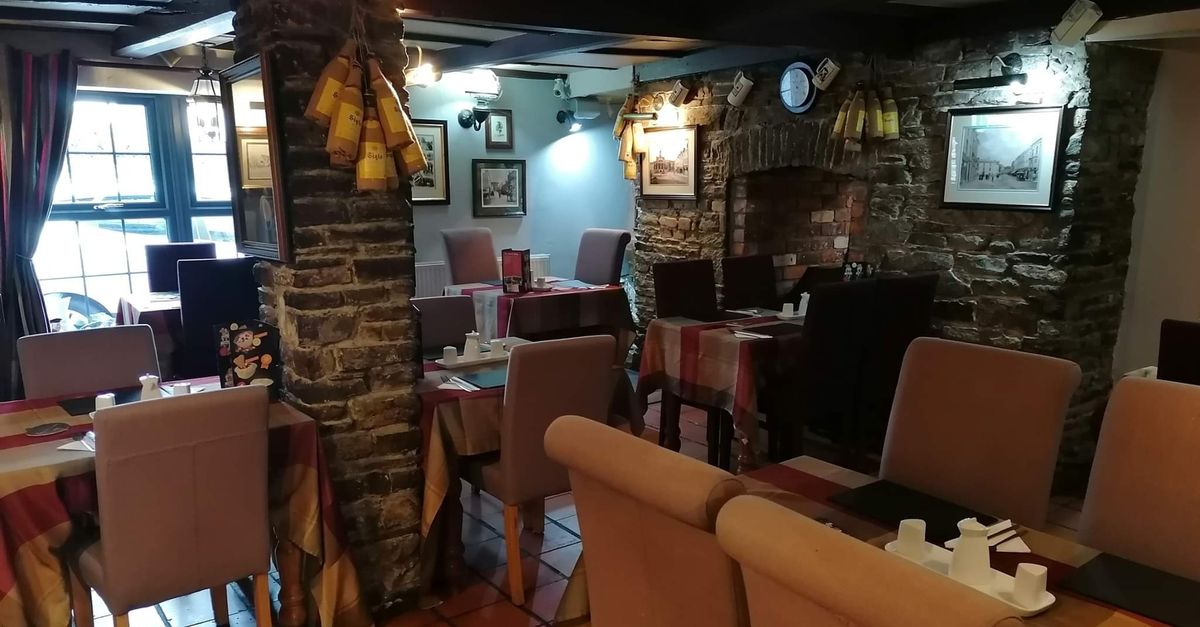
The pub closed briefly and has since reopened following a deep clean(Image: Facebook)
The FSA adds in its entry on the bacteria that food poisoning it causes tends to be experienced in settings packed with “large groups”. It states: “Clostridium perfringens is a bacteria widespread in animals and the environment. These bacteria can develop spores which can survive cooking and grow during slow cooling and unrefrigerated storage. These spores can make you ill.
“Outbreaks of C. perfringens food poisoning tend to happen in settings where large groups of people and/or food are being served and where keeping food at safe temperatures may be difficult. This also applies to batch cooking at home where you may leave food out to cool longer than you intended while preparing other food.”