
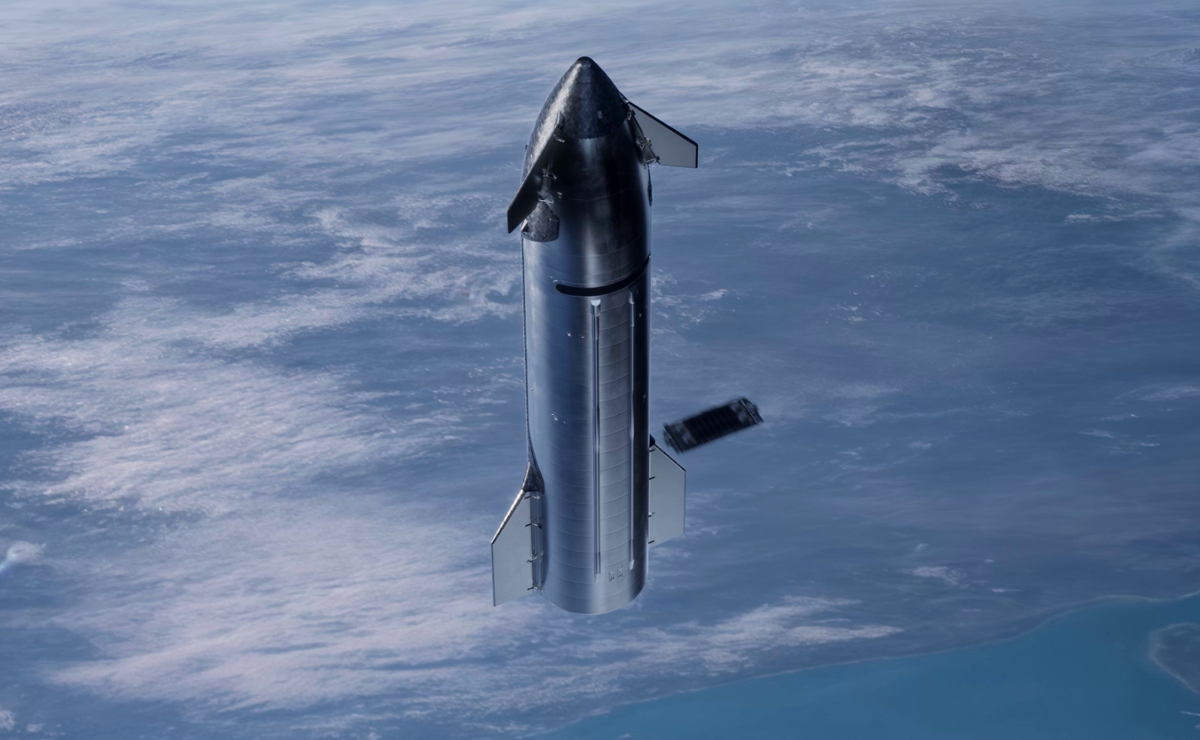
In 2015, after reading a book about how the telegraph created a sort of proto-internet that helped make various robber barons rich and powerful, I wrote an article about Elon Musk that, a decade later, feels both very embarrassing and somewhat prophetic. Musk and SpaceX had just announced a plan to launch a constellation of low-earth orbit, internet-providing satellites.
I saw this at the time as a step toward a kind of everything company. SpaceX was working on reusable rockets that would drastically lower the cost of flying things to space, and I imagined at the time that, if successful, being able to fly things to space for a far lower cost than his competitors would give Musk incredible power and wealth. This was in part because of SpaceX’s potential ability to become a telecom company in addition to a space launch company.
“If he can successfully develop the reusable launch vehicles, that gives him a tremendous dominance over the mode of getting to space. Once you can do it relatively cheaply and in high volume, instead of launching five or six times a year, you’re launching [and] putting stuff into orbit once a week. That’s the hard part,” Marco Caceres, a space industry analyst, told me at the time. “All the other stuff is really dessert, in a way. It’s the satellites, the services that’ll make you the real money.” SpaceX said at the time that Starlink would have 4,000 satellites. Today, it has more than 9,000 satellites, and the majority of all satellites in space have been launched by SpaceX and are owned by SpaceX.
This post is for paid members only
Become a paid member for unlimited ad-free access to articles, bonus podcast content, and more.
Sign up for free access to this post
Free members get access to posts like this one along with an email round-up of our week’s stories.