
Irish rugby fans who are travelling to Paris and hoping to take in some culture after Ireland’s Six Nations game against France have been warned to pay close attention to how and where they are booking tickets for the city’s most visited attractions.
Otherwise they risk paying through the nose for nothing.
It is increasingly common for people to book and pay for tickets online in advance of arriving at a popular tourist attraction. However, the difference between buying directly off the sites run by the museums or monuments and third-party resellers, who can feature prominently on Google searches, can be substantial.
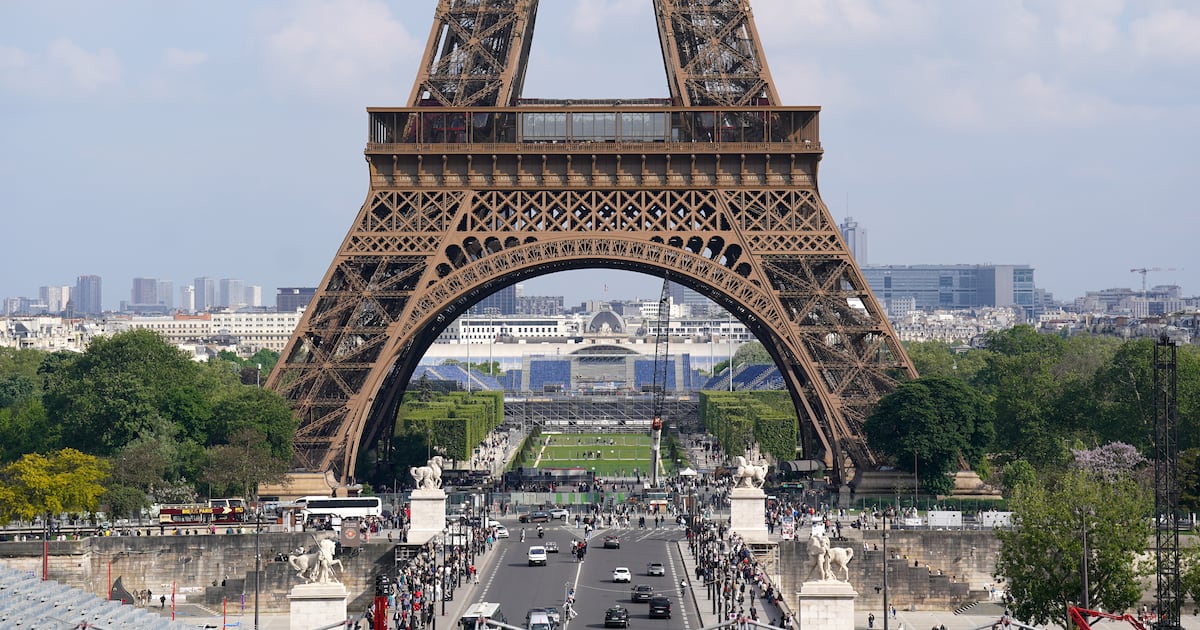
Researchers from British consumer watchdog Which? have tracked the prevalence of third party ticket resellers and found tickets for the Eiffel Tower that can be bought for less than €40 on the official site are selling for €106 on unofficial sites.
It also found tickets being sold by third party resellers for the Louvre for around €45, twice the price of tickets bought directly from the museum’s website.
When The Irish Times went in search of tickets to the Musée d’Orsay earlier this week, there were multiple websites selling them. One website, which could easily be confused for an official site was selling tickets, which included an audio guide, for €47.90.
However tickets bought on the official museum website cost just €16 with an audio headset adding a further €6 on to the price, taking it to a total of €22, or €25.90 less than if the ticket is bought through third party resellers.
Which has pointed out that “unsuspecting tourists may not know the standard entrance fee for attractions in other countries, giving companies an opportunity to resell tickets offering the bare minimum at a rip-off price”.
Plus, it noted, there is no EU law prohibiting selling tickets at a markup.
Apart from higher prices paid by unsuspecting tourists, the practice of resellers buying up tickets in large volumes can mean fewer tickets available on the official websites for high demand dates. This risks pushing people towards high priced resellers.
Travel writer and broadcaster Fionn Davenport said that a common feature of many third party ticket resale sites is a “promise that you will be able to skip the line but that doesn’t mean skip the line at all, it just means skip the ticket desk. If you go and see Michaelangelo’s David in Florence you can pay three times the price and you still have to queue. They are marketing fairy dust.”
He suggested that many of the companies “game the system” by using clever search engine optimisation to ensure the finish before the official websites on Google and then they exploit consumers who may be unaware of how much they should be paying for a particular attraction.
Davenport added that people should always check the official attraction website for tickets. “At least that way you can be sure they are legit and will not won’t be pricier than they should be”.
He also said people should pay close attention to the website address and be wary of addresses that seem out of sync with what the official website should be.
It is also, he suggested, worth doing a little bit of research online and to find reviews of the companies offering the tickets.
It is also worth noting that not all third party resellers are equal and that there are legitimate companies selling historical tours with proper guides and charge a premium as a result.
But anyone in Paris this weekend will only know what they are getting if they do even a few minutes of research in advance.