

Gen Z are struggling to be friends with those who have different views from them as they focus on “belief-based” relationships.
Thirty-seven per cent of 16 to 24-year-olds admitted to finding it hard to be friends with those with opposing viewpoints, compared with 21 per cent of over-25s, according to a poll of 5,500 young people by the BBC.
The trend is compounded by a worrying level of isolation as four in ten young people reported that they often felt lonely.
The findings raise the prospect of a societal shift that may limit perspective and fuel polarisation among younger generations. They are part of the BBC’s Unboxd campaign, designed to better understand audiences and inform the broadcaster’s plans as part of the government’s charter review process.
The BBC reached a low of two thirds of young people each week last year, down from 80 per cent in 2021, as they turn to rival platforms including YouTube and premium streaming services.
Tim Davie, the outgoing BBC director-general, highlighted initiatives including an expansion of the fact-checking service BBC Verify, a push onto YouTube and the doubling of spending on content outside of London.
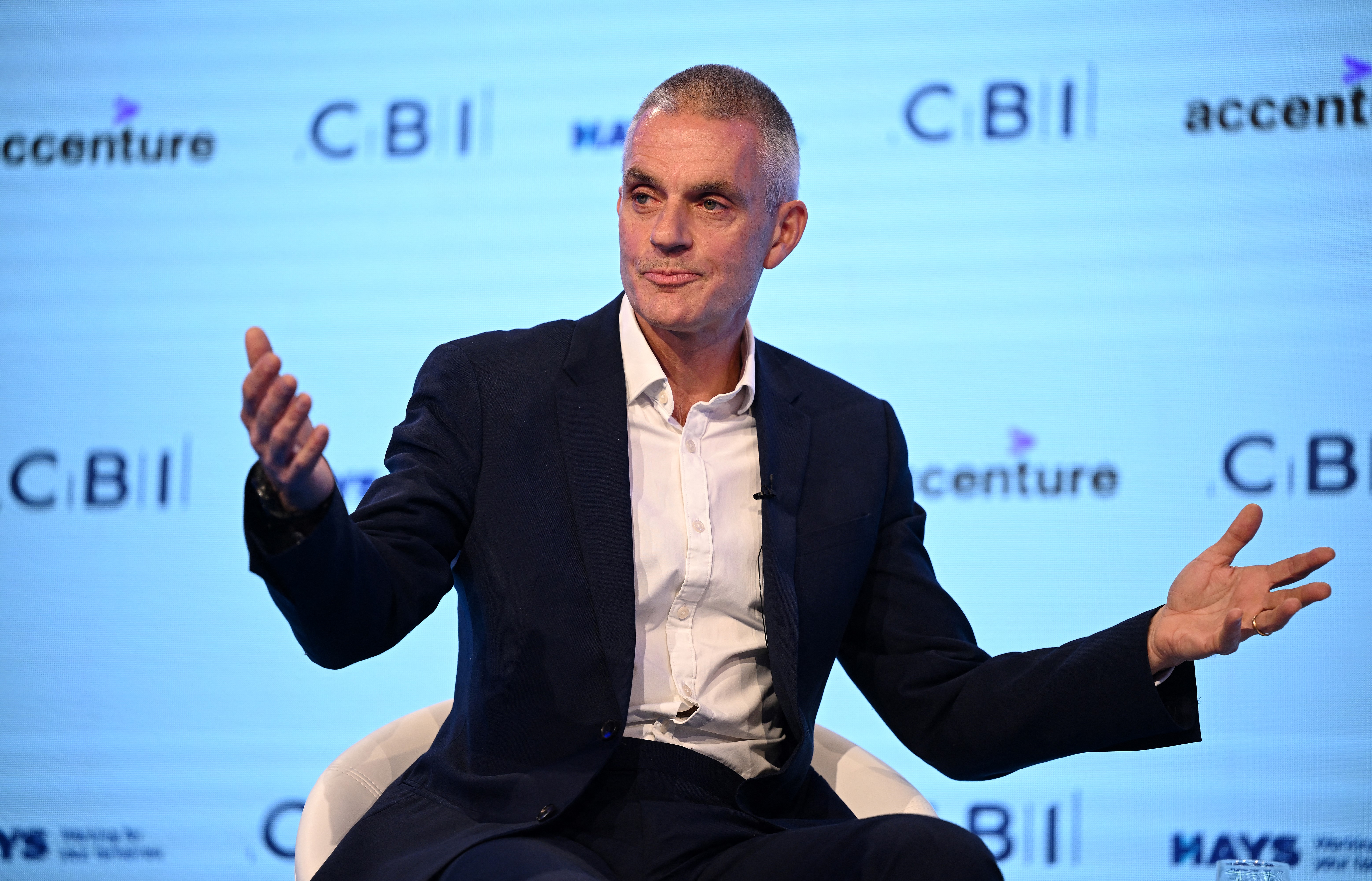
Tim Davie
OLI SCARFF/AFP/GETTY IMAGES
“The BBC is passionate about our younger audiences and about working with them to make sure we are creating content they want and providing information they can trust. We’re always modernising and looking at new ways to stay relevant and valuable to the next generation, whether that’s with content like The Traitors or through our new partnership with YouTube,” he said.
“We want 16 to 24-year-olds to really feel that the BBC is for them. Our mission is to bring people and communities together — to provide trusted, impartial information and shared experiences that help rebuild common ground and give the next generation that sense of community they crave.”
The poll found that almost three-quarters of 16-24-year-olds considered their smartphone “vital”, yet 58 per cent worried about overuse. More than half felt that their screentime negatively affected their sleep or wellbeing.

Their concerns about technology include the rise of artificial intelligence, and they cited job losses, deepfakes and privacy issues among their fears.
While almost two thirds of those surveyed felt confident spotting unreliable content, they reported feeling increasingly bombarded with hard-to-spot AI-generated content beyond obvious examples such as “a cat playing a saxophone”.
Last week the BBC was criticised in an internal report for “shoehorning” diversity into dramas such as Doctor Who as it tries too hard to represent a range of groups in its programming. The generation polled echoed the report’s findings, and have called for programme-makers to steer clear of “tokenism” and more authentically reflect life’s complexities.
“This younger audience is curious about the world and drawn to voices that reflect a mix of cultures,” it said. “They are a generation without borders who see diversity as a strength, and they’re looking for stories that go beyond the familiar. They want to explore content that opens a window into cultures different from their own.”
As well as wanting more authentic representations of diversity, youngsters called for historical accuracy that eschews rewriting history for feel-good narratives.
“We are now working on specific plans to respond to each of these ambitions, and we will set out these plans later this year,” the report concluded. “All of them will depend on the outcome of the government’s process on the future of the BBC. It is our audiences who own the BBC. It is vital their voices are heard.”