
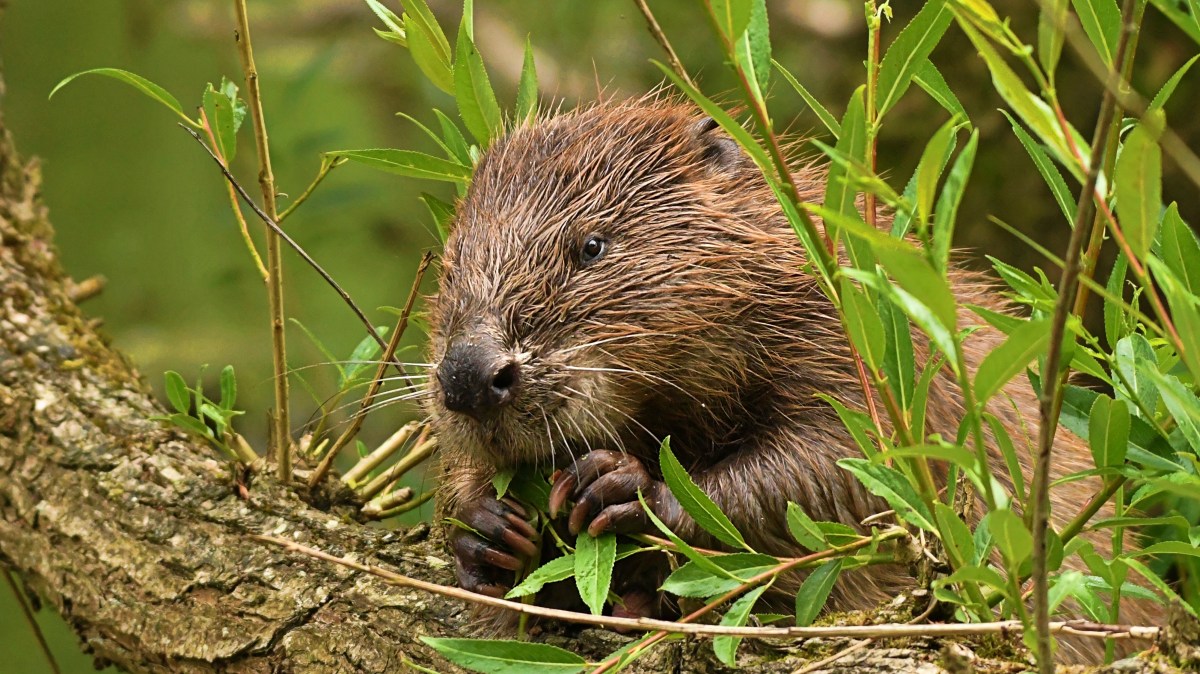
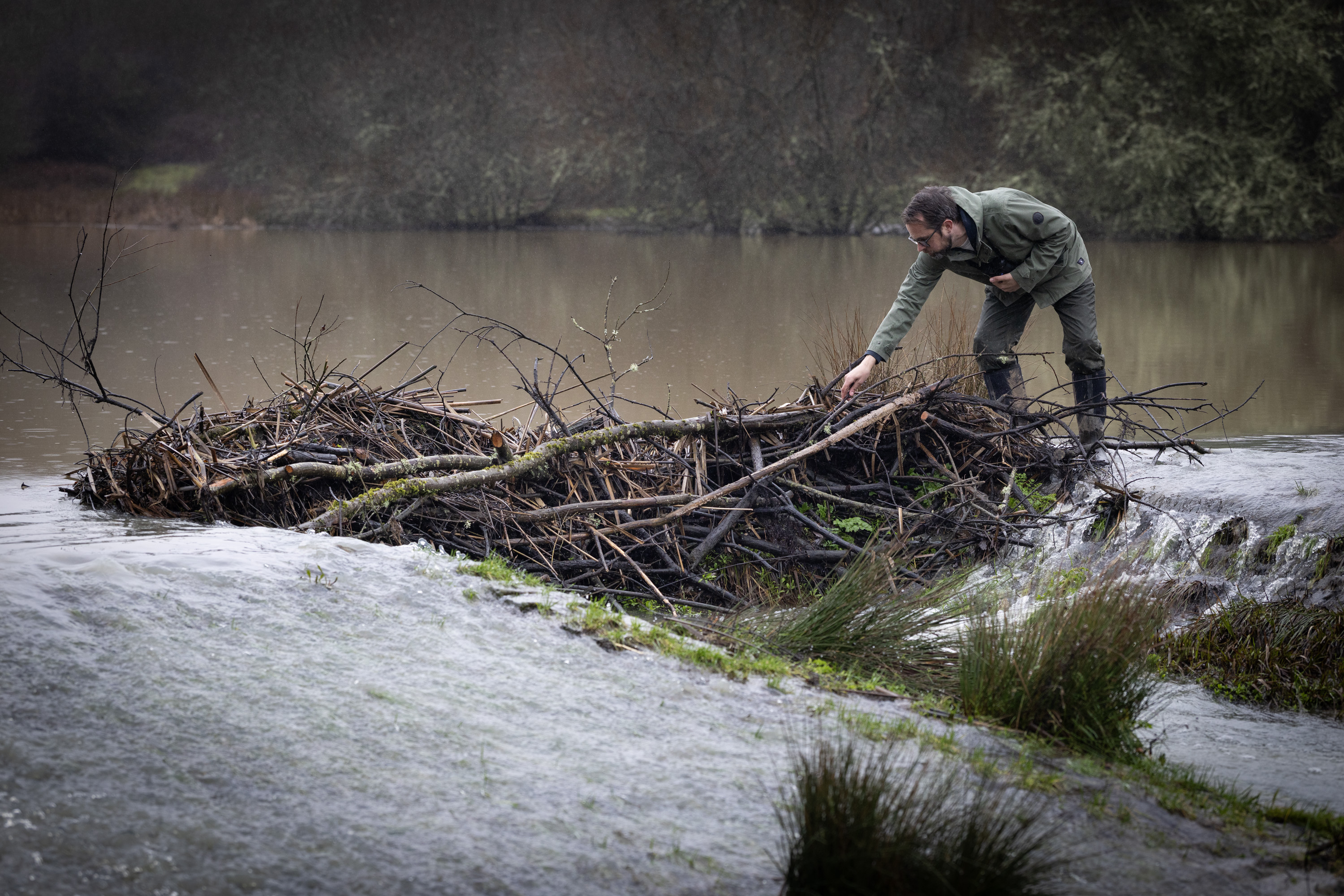
On a soggy February morning at Knepp estate in West Sussex it is hard to avoid signs of beavers. Branches have been dammed across the end of Hammer Pond, holding back water upstream. The distinctive pencil-shaped remains of trunks and felled trees abound. One of the bulky rodents’ lodges stands by the water edge, like a sturdy bivouac.
Most of the estate’s eight or so beavers were meant to stay in a two-hectare fenced area. However, some escaped in April and now move between the enclosure and former farmland.
Two more colonies are due to be released in southwest England within days, with the blessing of the government.
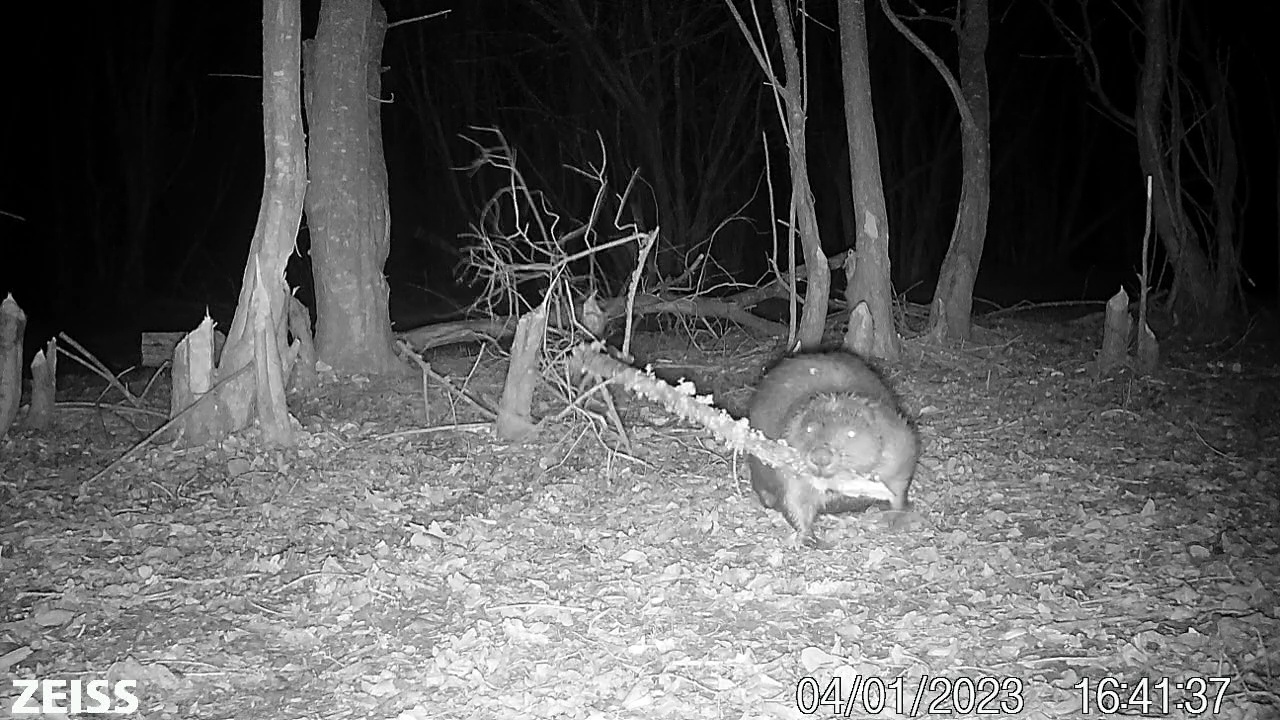
A beaver drags a branch on the Knepp estate
KNEPP ESTATE
They are the only sanctioned sets since the first legally released pair made a wet woodland in Dorset their home almost a year ago. Although ministers won plaudits from conservationists for opening the door to legal releases after years of dithering by the former Tory government, there is mounting frustration at the rollout’s pace and cost.
Derek Gow, an ecologist and species reintroduction expert, said: “It really is a typical British bumbling bugger-up,” referring to the A69 licences that have to be granted from the regulator Natural England.
“It’s a lot of happy clappy stuff, an image of ‘something’s happening’. But they [regulators] are incredibly pedantic and incredibly slow. If we’re looking to recover nature, you can’t do it without this animal that holds back water. It’s the first building block,” he said.
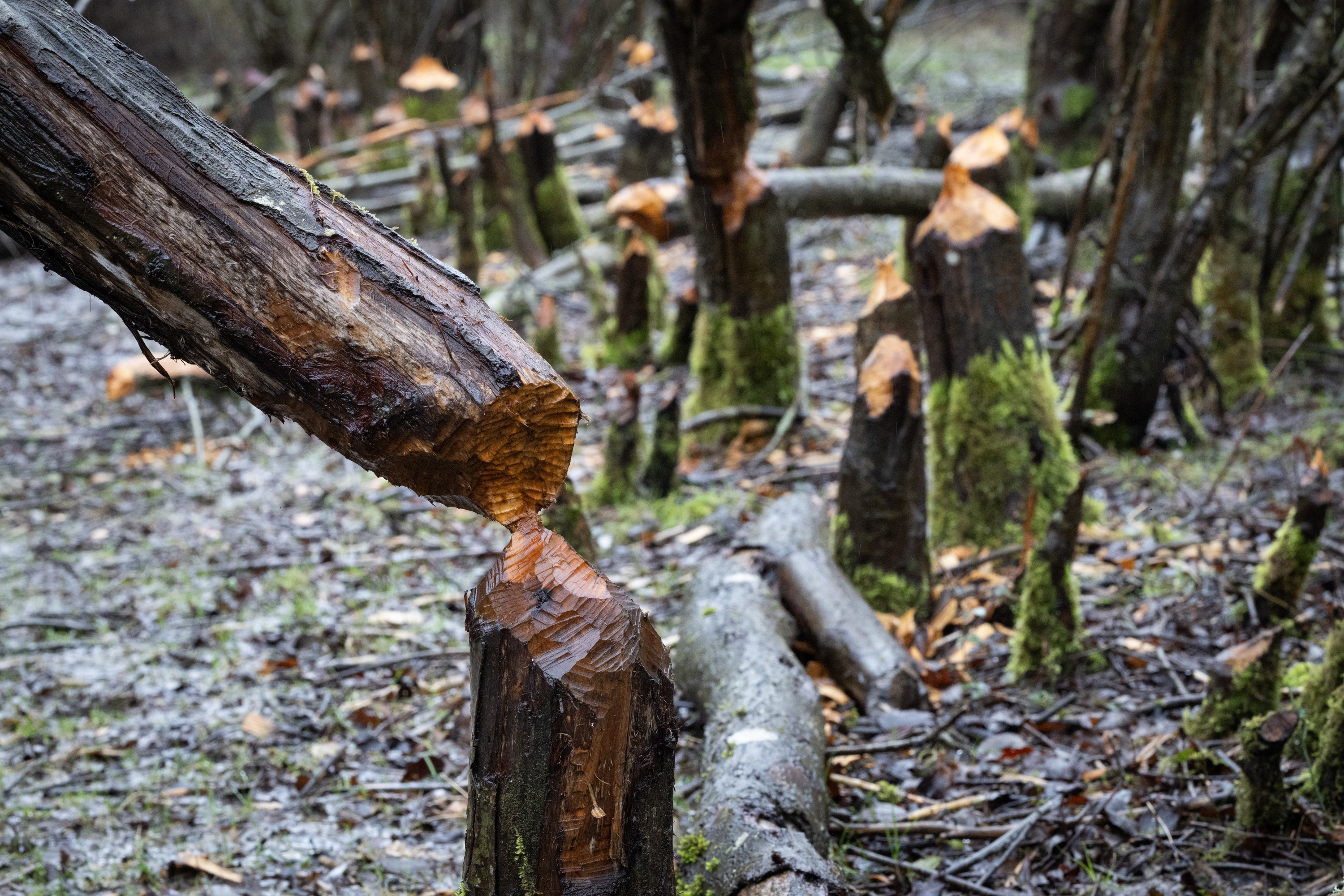
Trees are damaged by beavers on the estate
PETER MACDIARMID FOR THE TIMES
Gow wants to see more of a Bavarian-style model, releasing the animals faster while authorities focus instead on “beaver officers” and a response hotline for farmers.
Advocates of beavers, which were hunted to extinction in England about five centuries ago, said they helped to strip pollutants out of rivers, created habitat for frogs and made landscapes more sponge-like, reducing flood risk overall. However, they can also cause unwanted localised floods — a key reason some farmers are opposed to them.
• National Trust gets record cash donation: £10m to spend as it pleases
As he walked past the beaver-cut remains of willow trees at Knepp, Matt Phelps, the estate’s lead ecologist, agreed with Gow: “It’s very slow, very onerous, very long-winded.”
The estate’s owner, Lady Burrell, better known as Isabella Tree and the author of the book Wilding, said the process amounted to a “delaying tactic”.
“This is doing nothing to allay the fears of farmers and others who want to know where they stand and what they can practically do if a beaver comes on to their land and causes problems such as damming irrigation ditches,” she said.
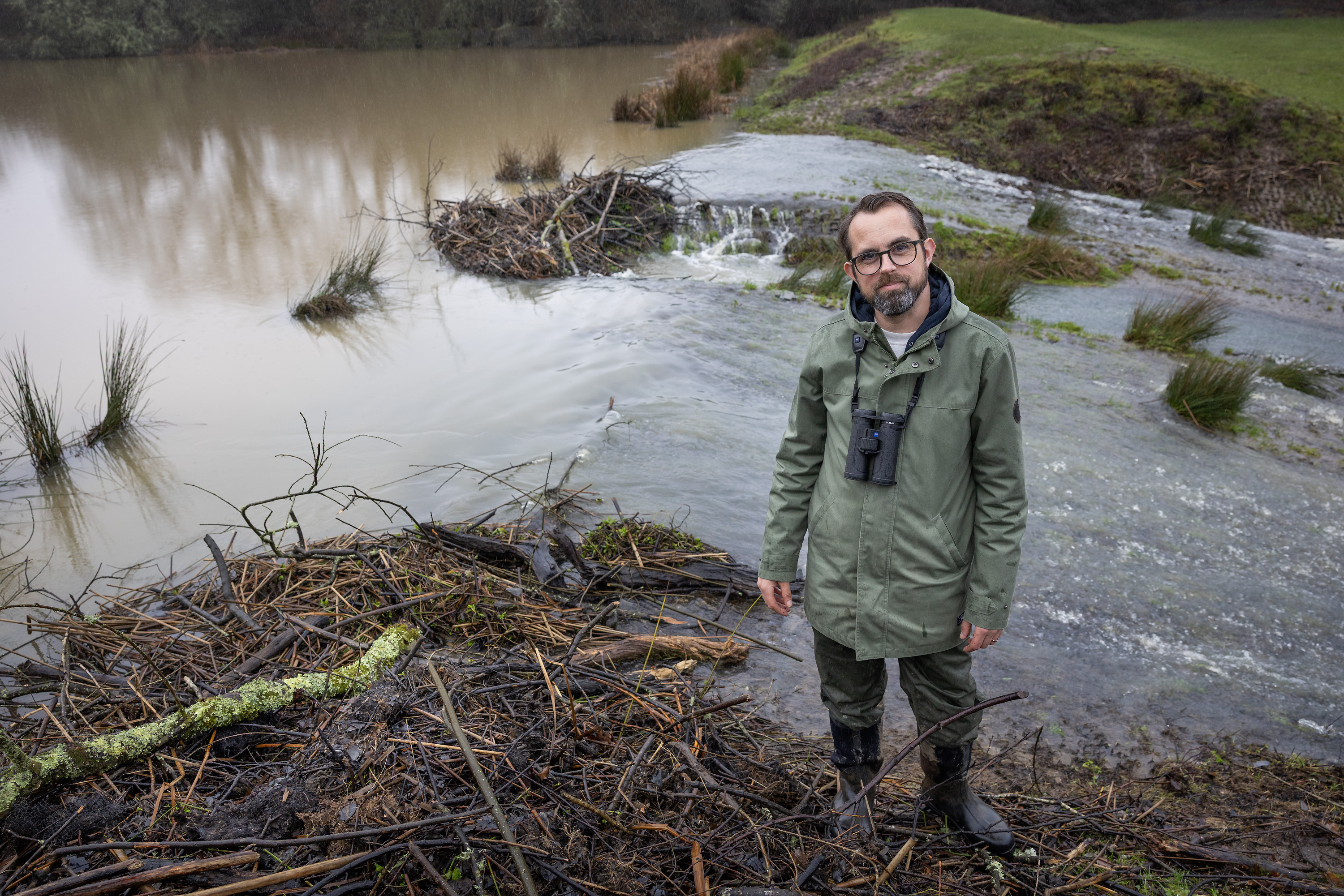
Matt Phelps, the Knepp estate’s lead Ecologist, by a dam built by beavers on Hammer Pond on the estate
PETER MACDIARMID FOR THE TIMES
PETER MACDIARMID FOR THE TIMES
Though legal releases only began last year, illegal ones started around 2014. The government has estimated there are about 500 beavers in the wild in England, but Gow put the figure at about 4,000. Burrell said the release regime was “out of sync” with the fact beavers are spreading across southern England by themselves.
The Wildlife Trusts, which have about 250 beavers in enclosures, hope to have seven licences approved this year, up from none so far. Angelika von Heimendahl, the group’s beaver reintroduction manager, said a good outcome would be more than 200 animals released over the next two years, but admitted that the jury was still out on the licences’ success.
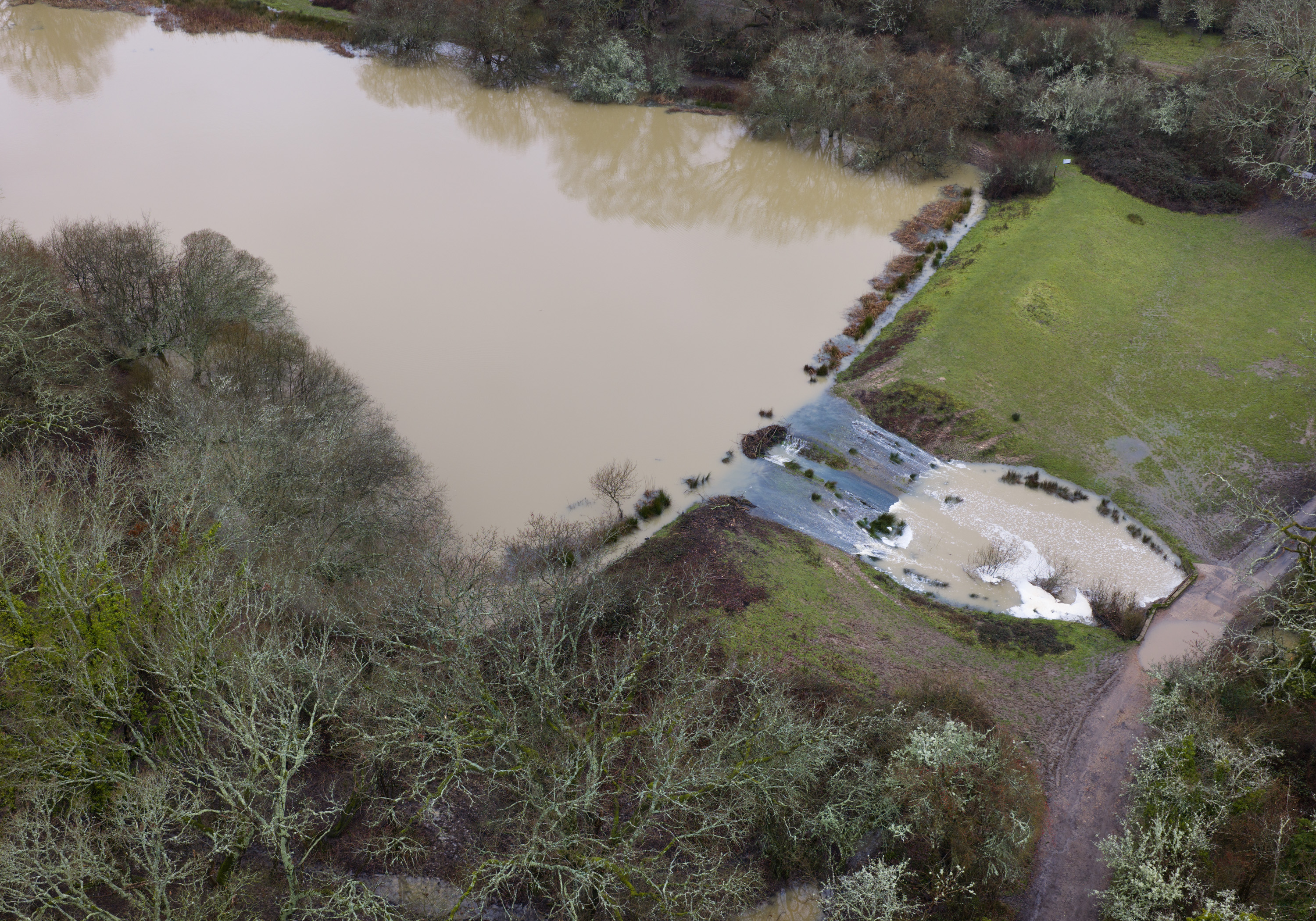
Water is backed up on Hammer Pond after beavers built a dam
PETER MACDIARMID FOR THE TIMES
Matt Heard, director for national delivery at Natural England, said he welcomed the enthusiasm of groups expressing an interest in wild releases. “The foundation for long-term coexistence comes from well-planned, collaborative projects built on engagement and trust, and we are committed to getting it right for nature and communities,” he said.
Whether the government streamlines the legal releases may not matter, given beavers’ success in the wild. “Beavers are taking matters into their own hands and rewilding themselves,” Burrell said.