
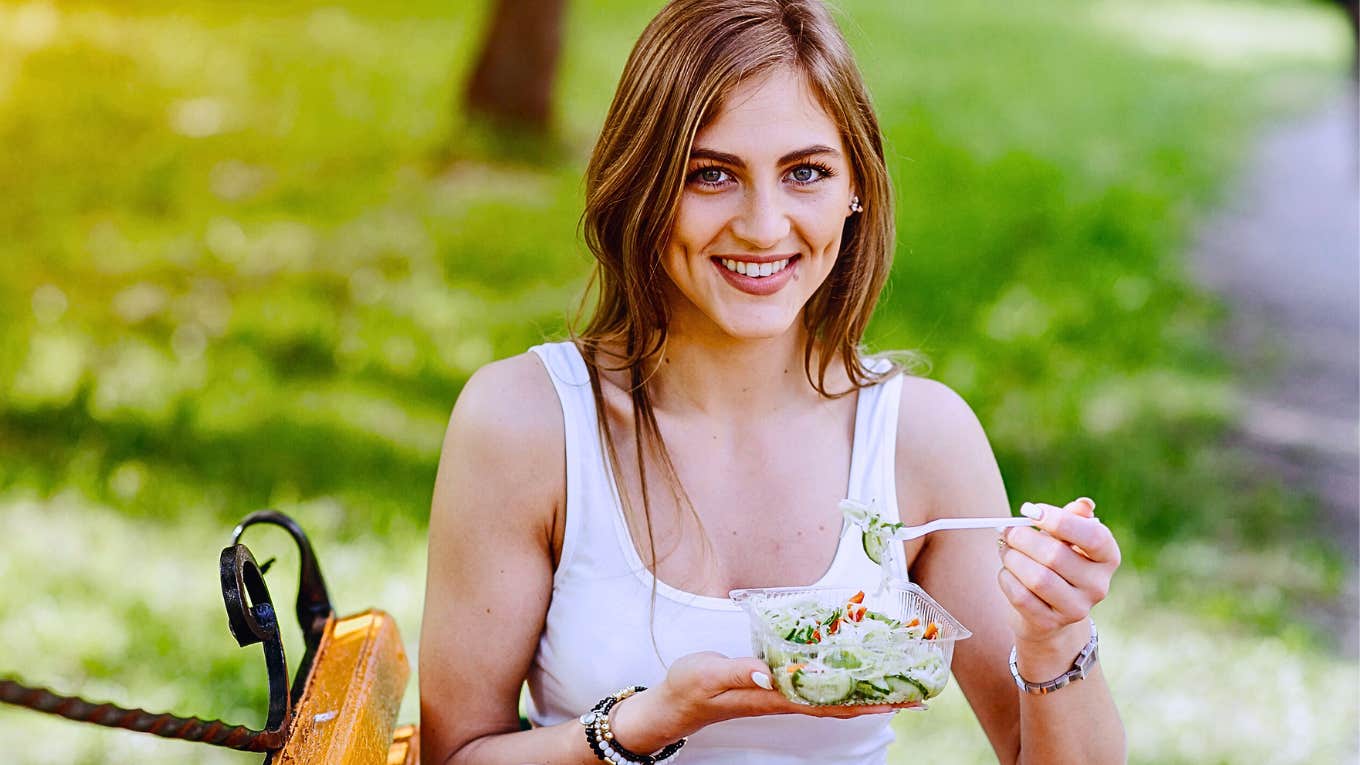
Food used to be a source of joy and community. Yes, it’s always been about nutrition and survival, but as a social species, humans have always had to collaborate in order to gather, hunt and prepare their food. Celebrations and funerals have had food as part of the ritual for as long as history has been written.
These days, food has become a tool of manipulation for many. Whether we do this to ourselves, restricting our intake to the point of compulsion, or to others by marketing programs and plans as the only way to be happy or healthy, food has lost its joy. Some people use food to manipulate how they feel, eating unhealthy food that offers only a short term boost in mood, only to feel much worse later. However, as Serena Poon, celebrity chef, Reiki master and certified nutritionist, told the Getting Open podcast, we can bring joy back into food while still using it for health. First, we need to dispel some myths that keep people stuck.
People who heal their relationship with food often start by accepting these four facts1. There is no mind-body connection, they are all one
First, we need to forget about the mind-body connection. There is no connection because they are one, so intertwined that they could not be separated if we wanted them to be; at least not in any sentient person. For generations, scientists and doctors have insisted that the mind was just soul and the body was just meat. The soul needed joy and the body needed nutrition. As it turns out, the body needs joy and the brain needs food, too!
See, brains run on fuel just like muscles do. When we think hard, when we problem solve or study or even converse deeply, our brains metabolize and burn calories. That means our minds need proper nutrition like any other tissue or organ in our bodies.
Our bodies and minds also thrive on joy. Stress takes a toll on our tissues, wearing them down more quickly and shortening our lives. Friendships, laughter, love and connection help make them longer.
2. There’s so much more to food than nutrition
These days, all you hear about is protein. People are focused on their macros and eating foods that are profoundly unappealing (to put it mildly), like chicken breast smoothies and other viral trends focused on maximizing and optimizing “gains”. Yes, counting macros has a place, but hyper-focus on any one thing is not sustainable and probably isn’t healthy for most people.
Yes, nutrition matters. As a nutritionist, Poon knows that well. But after watching her father, who was transitioning from life into death, eat only for survival instead of enjoyment, she knew she needed a new paradigm. Choking down hard boiled eggs for protein wasn’t serving him. After he passed away, she enrolled at Le Cordon Bleu Paris Institute on a mission to find a way to make delicious food healing and life-sustaining.
Stripping joy out of our food takes joy out of our lives, and there’s nothing healthy about that. In fact, it may even harm our overall well-being. Research has shown time and again that happier people live longer and that meaningful human connections are key to happier, healthier and even longer lives.
When we take the joy out of food, even if it’s done in search of “wellness”, we remove some opportunities to connect, to experience pleasure and to simply sit back and enjoy our lives. This simply isn’t natural for us, as dining together and enjoying meals has been part of essentially every society on the map for all of recorded history!
3. There’s no one ‘cure’ for what ails us
There are people who want us to believe that there’s a way to feel better, all the way better, with a few changes. Usually this is a program someone has to buy, or a strict set of rules that will work only when followed to the letter. Often these rules are exciting and motivating early on, but soon become frustrating, boring and isolating. They simply aren’t sustainable.
Poon insists that there’s not one thing that will save people. In fact, she says it’s a mistake to try to fix more than one problem at once. Instead, take them one at a time, finding ways to heal and repair and grow, even when it’s hard.
“You don’t need to address your sleep and your fitness and your skin and your hair and your big toe all in one sitting,” she told host Andrea Miller. Instead, she says, focusing on one thing at a time and making real change will move you through all of those things faster than trying one-size-fits-all “cures” that don’t address the whole self in unique ways.
Meanwhile, there are a few things we can do to get started that appear to have universal benefits, according to Poon: get enough sleep, drink more water (she suggests adding a shake of Celtic sea salt for minerals), and try to “eat the rainbow” by adding more plants to your meals when you can.
4. Your relationship with food isn’t set in stone
In fact, she insists, sometimes the times when it’s hardest are the most important times to continue on. After all, our relationships with food are deeply engrained. If you grew up in a home where problems were drowned in unhealthy food in large amounts, it will be challenging to stop doing the same. Similarly, if you grew up in a home full of restriction, it might be hard to stop depriving yourself or being overly controlling your food now.
But our brain pathways aren’t set in stone, says Poon. They can be “rewired” by making new choices, little-by-little. If you were numbing pain with food, that is going to take some time and it will probably take work. Similarly, if you found a sense of tenuous control from being obsessively restrictive of your macros or controlling of the types of foods you eat.
But so many good things come from hard work, like building a career, running a marathon, having a baby and building a marriage. Why would healing your relationship with food be any different? The people who heal their relationships with food start by recognizing that life should be joyful, and eating healthy shouldn’t compromise our happiness.
Elizabeth Ayers-Callahan is a writer covering relationships, parenting and women’s well-being.
Related Stories From YourTango: