
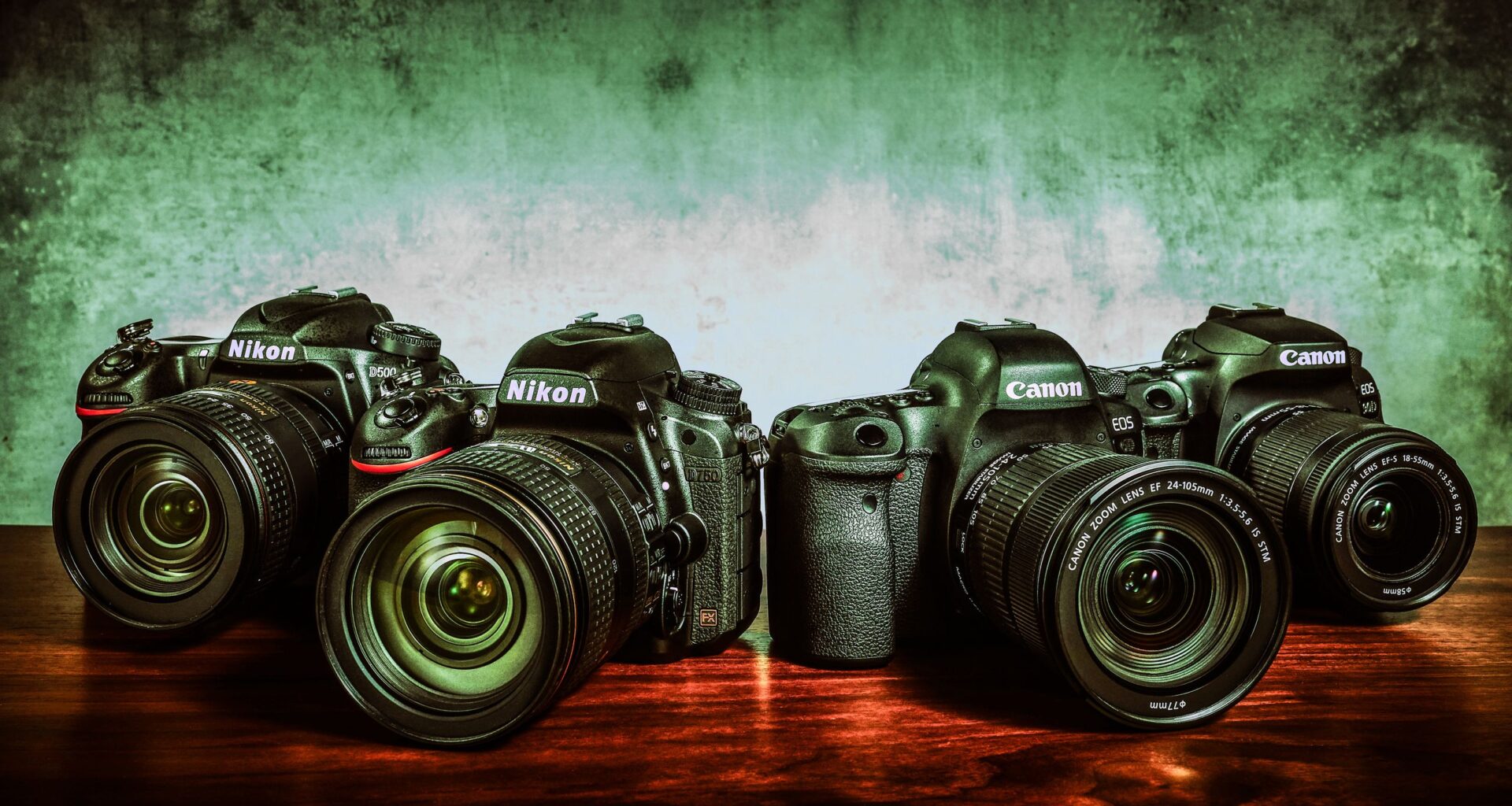
In the 2000s, digital SLRs – DSLRs – were the big beasts of the digital photography world – and if you were a serious photographer, then you needed to own one.
Since the 2010s, however, mirrorless cameras have stealthily replaced them. We’ve already reached the point where there’s a mere handful of choices should we want to buy a DSLR new. As sales have flatlined for several years, most manufacturers with the notable exception of Pentax, have simply stopped making them.
I think that’s a great shame. And rather short sighted.
You may like
Why? Well, there’s still stuff that DSLRs are great at.
Large, obvious tactile controls for one. A handgrip of sufficient size to be practically useful for another. A large, bright optical viewfinder as opposed to an electronic one. A more robust, ‘built to last’ feel. A longer battery life, typically, than their mirrorless camera equivalents. A better body/lens balance too, especially if attaching longer optics.
Plus, particularly if buying second-hand, better value with it. And that money-saving goes for the lenses and accessories to use with DSLRs too.
Just as we’ve seen a resurgence of interest in compact snapshot cameras and, to a lesser degree, big zoom all-in-ones, for all the reasons listed it wouldn’t surprise me at all if the digital SLR was the next format to enjoy a resurgence of interest and reappraisal.
It’s often only when something appears it’s about to disappear completely that folks, by which I mean us photographers, sit up and take note. Just look at the white rhino.
With camera manufacturers increasingly taking a content creator-centric ‘video first’ policy when it comes to releasing new, mirrorless kit, at the time of writing the DSLR does also feel like the last preserve of those who’d rather the focus was ‘photography first’. Those who want to freeze an idea and present it as a definitive moment, with video a secondary concern, if a concern at all.
All this said, I haven’t ditched mirrorless entirely. The portability of the cameras still appeals when I want an image capture device I can slip into my bag to take along to a press event or use for fly-on-the-wall street photography; a scenario for which a traditional DSLR would feel too obvious and intrusive. Or to use when I don’t want to be distracted from picture taking by the apps and notifications on my smartphone.
But I reckon there is lots of life in the DSLR yet, and certainly creatively the two camera types can continue to happily co-exist.
The history of technology often records what’s newest replacing whatever’s current. But as regards the DSLR, I feel there’s still another chapter to be written.
Great DSLRs you can still buy new today…