
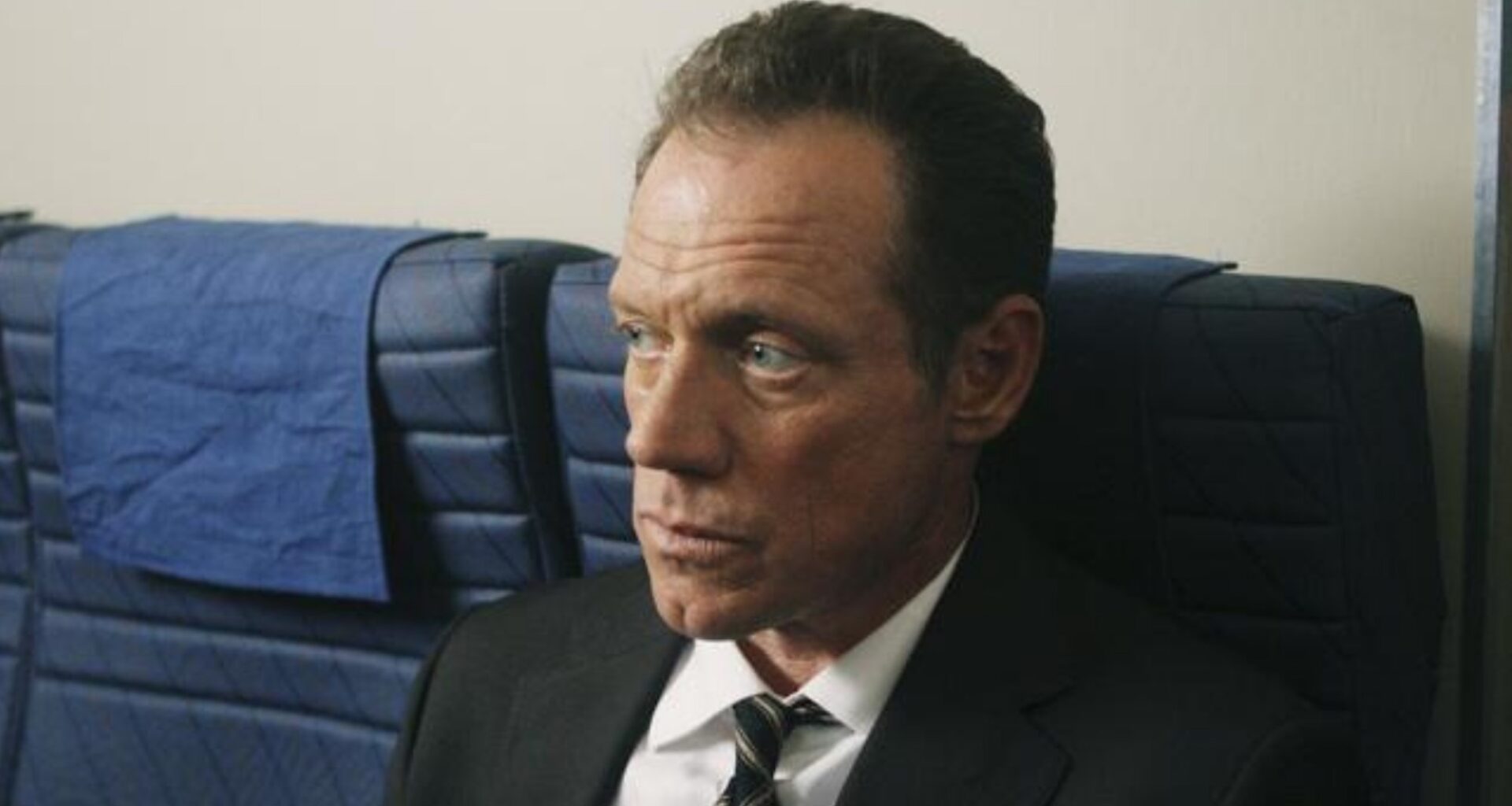
Sci-fi TV writers are always chasing the perfect twist. A fantastic twist not only shocks viewers to their core, but also fundamentally alters how they view the world and the characters. It can be difficult to truly surprise an audience, especially when you’re seasons deep in a story with characters they know and love. Stapes like The X-Files, Star Trek, and Battlestar Galactica have used or experimented with things like alternate realities, time loops, and branching timelines, all with varying success. So in the 2000s, as “prestige TV” was raising audience expectations, writers were under more pressure than ever to mastermind great revelations or reversals. Thankfully, one such show delivered.
In 2010, Lost pulled off one of the most shocking twists in the genre up to that point. In the two-part Season 6 premiere “LA X (Part 1),” ABC’s smash hit series introduced an alternate timeline, which came to be known as the “flash-sideways,” and rewrote the show’s mythology, unspooling a version of events where Oceanic Flight 815 never crashed. The twist had implications for both the previous season and the show’s controversial finale. It also provoked new fan theories overnight and proved that Lost still had the power to surprise.
“LA X” and the Alternate Reality “Flash-Sideways” that Shocked Lost Fans
 abc
abc
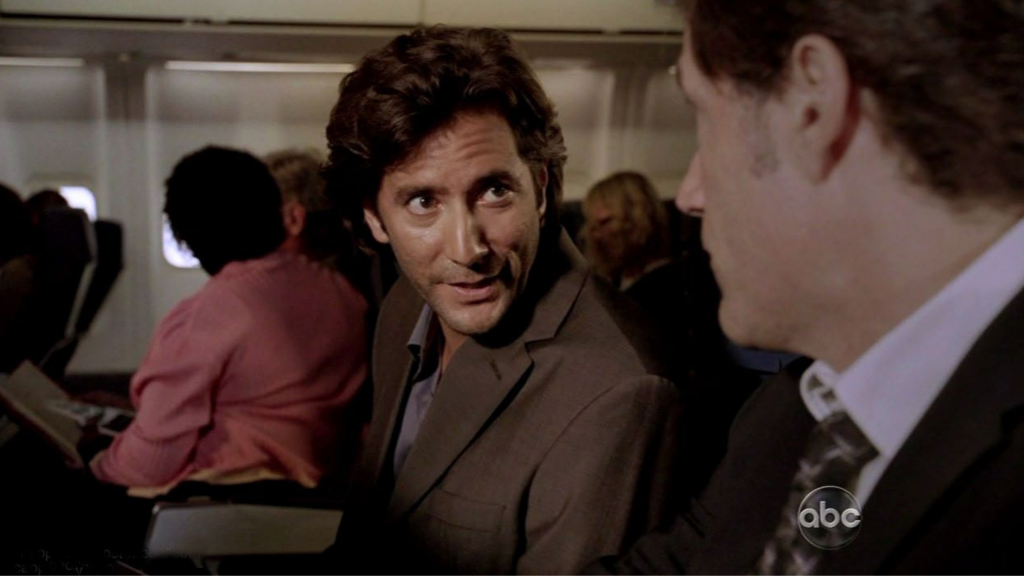
“LA X” aired on February 2nd, 2010. By this time, Lost was already widely known, watched, and beloved; some might even say it was past its prime. Created by J.J. Abrams and Damon Lindelof, what began as a simple survival story had spiraled into a complicated sci-fi web complete with time travel, ancient island mythology, electromagnetic anomalies, and many unanswered questions. Season 5 ended with Juliet detonating a hydrogen bomb in 1977, seemingly resetting the timeline and leaving fans wondering whether the entire series was about to reboot.
Thus came “LA X.” The episode opens with Oceanic Flight 815 landing safely in Los Angeles, rather than going down. Jack Shephard sits on the plane exactly as he did in the pilot, but this time, nothing goes wrong. When the plane lands, the survivors walk off and return to normal lives. Meanwhile, the original island timeline continues, revealing that the bomb did not, in fact, erase thier history. Given Lost’s reputation for including flashbacks and flash-forwards, fans dubbed the new alt timeline scenes “flash-sideways.”
Audiences were certainly shocked by the twist, with theories ranging from a simple “what if” parable to the bomb itself causing the literal branching of an alternate reality. As the season unfolded, we bore witness to a parallel narrative where characters like Locke, Hurley, and Sawyer lived very different lives. Most of which directly addressed their unresolved issues from the main timeline. For example, Locke had never been paralyzed by his father; Hurley was lucky rather than cursed; Sawyer was a cop; and Jack had a teenage son.
The “Flash-Sideways” Payoff in the Lost Series Finale
 abc
abc
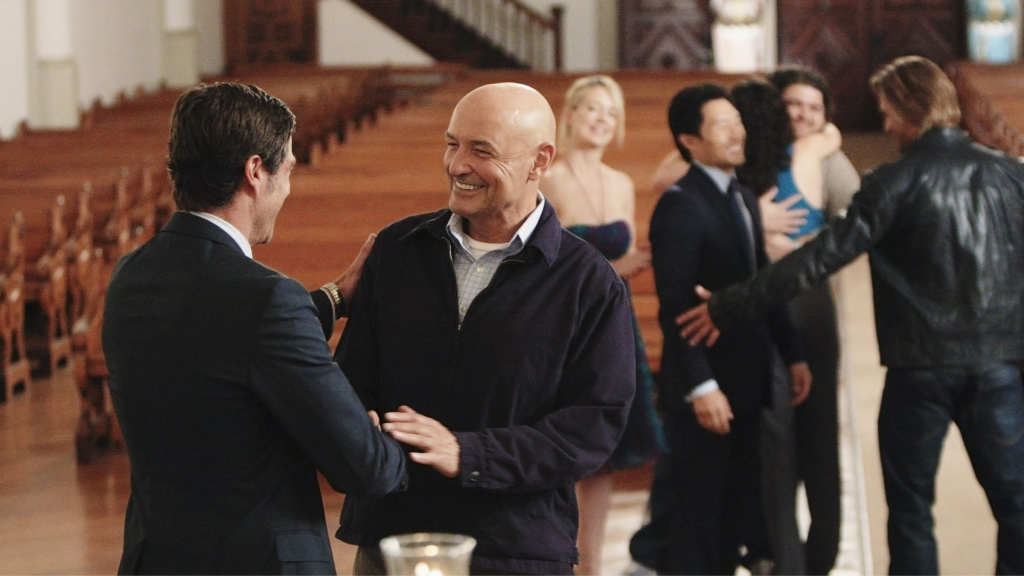
While the “LA X” twist had viewers’ jaws on the floor, the real payoff came in the series finale, “The End,” when Lost revealed that the flash-sideways timeline was never an alternate reality created by Juliet’s hydrogen bomb at all. Instead, it was a kind of shared afterlife, spiritual meeting place, or purgatory that the characters unconsciously built so they could find one another again after death. Over the course of Season 6, moments of “awakening,” like Charlie remembering Claire, Sawyer recognizing Juliet in the hospital, and Jack touching his father’s coffin, were actually the characters realizing who they were and what they had meant to each other.
No, this did not mean that the characters had been “dead the whole time,” a misconception that persists today. As Christian Shephard explicitly tells Jack in the finale, everything that happened on the island was real. The crash, the Dharma Initiative, all the complicated time travel, and even the Man in Black. Many characters lived full lives after leaving the island; some died young, some grew old, but whenever they died, they eventually arrived in this space. In other words, the flash-sideways wasn’t so much a narrative gimmick to tie it all up with a bow as it was Lost’s final statement about its themes of redemption and interconnectedness.
Did you find the flash-sideways twist brilliant or disappointing? Leave a comment below and join the conversation now in the ComicBook Forum!