
Home » TRAVEL ALERT » United Kingdom Issues Travel Alert as Unprecedented Flooding Crisis and Severe Storms Disrupt Daily Life, Triggering Urgent Emergency Responses Across the Country
Published on
February 8, 2026
The United Kingdom has issued a travel alert as the country grapples with an unprecedented flooding crisis, fueled by severe storms and continuous rainfall. Widespread flooding has disrupted daily life across several regions, including Shropshire, Aberdeenshire, and Warwickshire, with over 230 flood warnings in effect. Rising water levels have led to travel delays, school closures, and significant damage to infrastructure. Emergency services are on high alert, working tirelessly to manage the situation and protect residents. With more storms forecasted, the UK is facing a prolonged period of extreme weather, further heightening concerns over public safety and travel disruptions.
Severe Flooding in the UK Triggers Warnings and Widespread Disruptions
Recent heavy rainfall in the UK has brought devastating flooding to several regions, prompting flood warnings and widespread disruptions. One particularly alarming incident involved an Asda delivery van that was submerged in floodwaters at Walfords Bridge in Shropshire. Thankfully, no individuals were trapped inside the vehicle, preventing a potentially more tragic outcome. However, this event highlights the growing concerns surrounding the rising water levels across the country.
Over 230 flood alerts are currently in effect across England, with the most severe warnings affecting areas like Devon, Hampshire, and regions stretching from Gloucester to Worcester. The situation remains critical, with more rain forecasted to fall in the coming days. The widespread nature of these alerts underlines the serious threat posed by the extreme weather conditions, which show no signs of letting up.
The Warwickshire Fire and Rescue Service has issued an urgent warning, stating that flooding in the area is “imminent” due to ongoing heavy rainfall. This persistent downpour has caused the River Dene to rise to dangerous levels. As residents prepare for further flooding, local authorities are monitoring the situation closely, urging the public to take necessary precautions. Weather forecasts predict that rain will continue through the weekend and into early next week, raising fears of more severe flooding.
Aberdeenshire, located in the northeast of Scotland, has experienced some of the heaviest rainfall in the country. Over the course of just five days, Aboyne saw more than 130% of its typical February rainfall. This extreme weather has caused significant damage, leading to travel delays, school closures, and widespread flooding. The damage caused by this relentless rainfall has left communities grappling with the aftermath, with local emergency services stretched to their limits.
Advertisement
Advertisement
The severe weather conditions are not isolated incidents but are part of a larger pattern of increasingly erratic weather that has affected the UK throughout the year. This series of storms began with Storm Ingrid, followed by Storm Goretti, and most recently, Storm Chandra. These storms have caused substantial damage across the country, from fallen trees blocking roads to widespread flooding that has disrupted daily life. The occurrence of three named storms in the first two months of the year is a stark reminder of the escalating impact of climate change.
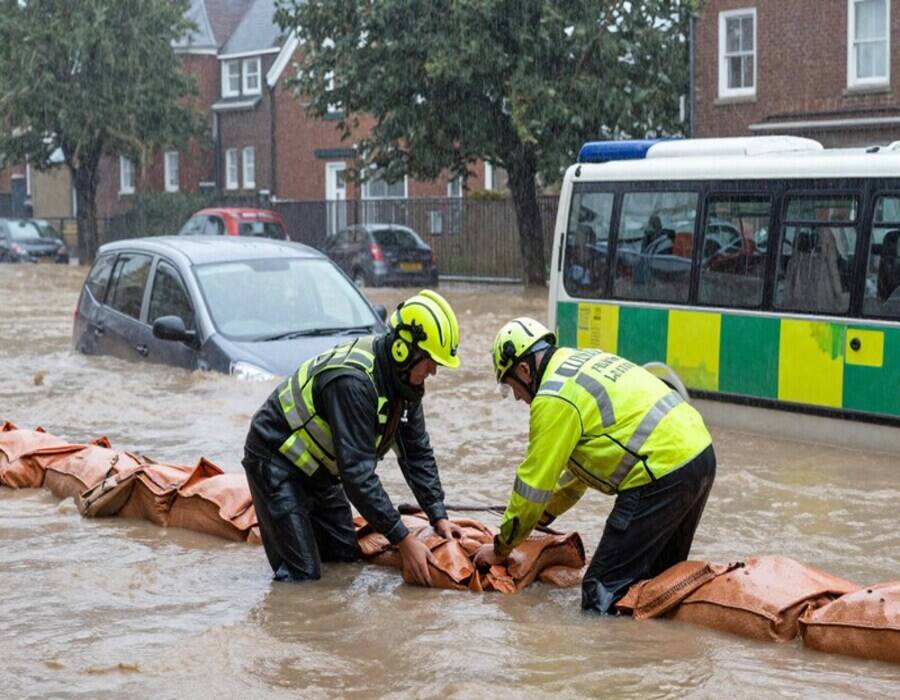
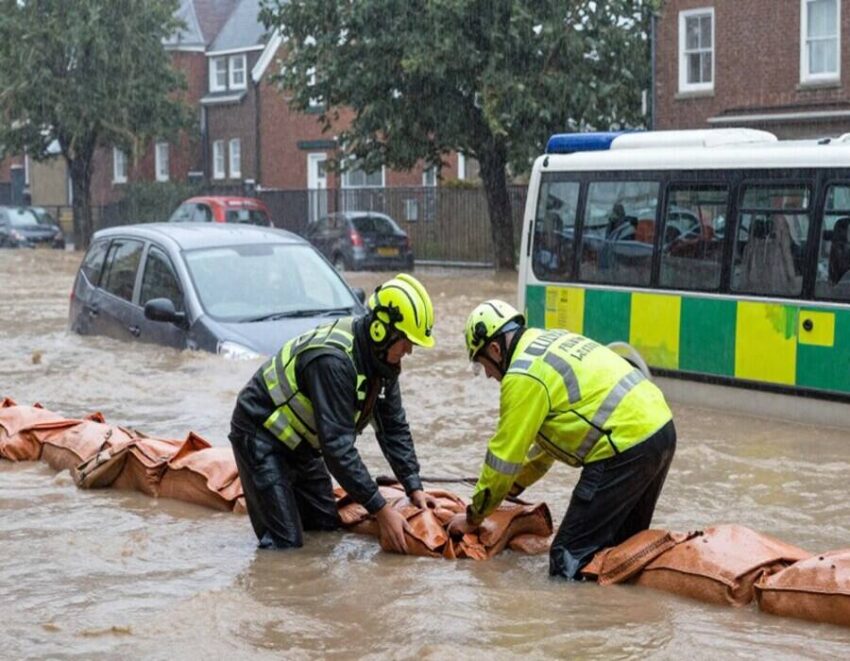
The public’s safety remains the top priority as communities brace for more rainfall. Emergency services across the affected regions are working tirelessly to manage the flood situation, providing sandbags, flood barriers, and support to those in need. Authorities are also urging residents to stay informed, avoid traveling in flood-prone areas, and prepare for the worst as conditions worsen.
Advertisement
Advertisement
In addition to the immediate safety concerns, there are long-term implications for communities dealing with flooding. Property damage, loss of personal belongings, and the disruption of everyday activities are among the many challenges that residents face. Schools have been closed in several areas, with parents and children facing uncertainty over when normal routines will resume. Roads have been rendered impassable, leaving some areas isolated and forcing people to rely on alternative routes.
The economic impact of the flooding is also significant. Local businesses, particularly those in the tourism and hospitality sectors, have been severely affected by the storm. Hotels and restaurants in flood-prone areas are reporting cancellations, while farmers are dealing with crops destroyed by rising waters. The damage to infrastructure, including roads and bridges, is expected to be costly, with repairs taking weeks or even months in some cases.
Local authorities are urging people to remain vigilant and to be prepared for more heavy rainfall. The Met Office has issued warnings for further storms and rain throughout the weekend, with the potential for further flooding and disruption. With the flood alerts in place, residents in affected areas are advised to monitor local news updates and to follow the guidance of emergency services.
While the rain continues to fall, the focus is on managing the current crisis and ensuring the safety of those in the most vulnerable areas. Communities across the UK are pulling together to support each other during this difficult time, but the reality is that the country is facing a growing crisis of extreme weather that shows no signs of slowing down.
In the wake of the severe flooding, long-term solutions will be needed to better prepare communities for future storms and heavy rainfall. Local governments and emergency services will likely have to invest in more robust flood defenses, improved weather monitoring systems, and public awareness campaigns to help people respond to the increasingly unpredictable weather patterns.
The United Kingdom has issued a travel alert as severe storms and unprecedented flooding disrupt daily life, causing widespread damage and prompting urgent emergency responses. With more rainfall expected, the country is bracing for continued travel delays and safety concerns.
As the UK braces for more storms and floods in the coming weeks, the question remains whether the country is truly prepared to handle the scale of the challenges posed by climate change. For now, communities affected by the floods are focusing on recovery and safety, with emergency services continuing to provide assistance. However, the long-term effects of this extreme weather will likely have far-reaching consequences, with many asking if this is the new normal for the UK.
