
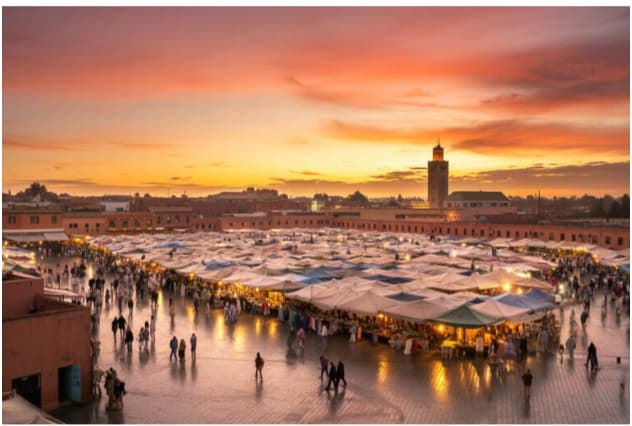
Morocco is experiencing a tourism renaissance unlike anything in its history. In 2025, the North African nation has emerged as one of the fastest-growing travel destinations in the world, fueled by record-breaking visitor arrivals and a surge in demand from Europe’s most powerful tourism markets. France has now joined Germany, Italy, Switzerland, Portugal, and the United Kingdom as a major contributor to Morocco’s booming tourism economy, helping propel the country into a new era of global recognition.
With improved air connectivity, strong cultural appeal, and aggressive tourism promotion strategies, Morocco’s hospitality sector is thriving. The nation is not only welcoming more visitors than ever before but also reshaping its identity as a premier destination for luxury travel, adventure tourism, and cultural exploration.
Morocco’s Tourism Boom in 2025
Tourism has long been a vital pillar of Morocco’s economy, but 2025 marks a turning point. The country has recorded its highest number of international visitors in history, driven largely by European demand. Travelers are flocking to cities like Marrakech, Casablanca, Fez, and Tangier, as well as coastal resorts and desert destinations such as Agadir and Merzouga.
This surge reflects a perfect storm of favorable conditions: relaxed travel restrictions, increased airline routes, competitive pricing, and Morocco’s growing reputation as a safe and culturally rich destination. With Europe facing rising travel costs in traditional hotspots, Morocco has become an attractive alternative offering luxury experiences at relatively affordable prices.
France Strengthens Its Role as a Tourism Powerhouse
France’s entry into Morocco’s list of top revenue-boosting tourism markets is especially significant. Already one of the world’s strongest outbound travel nations, France has intensified its tourism ties with Morocco in 2025 through expanded flight networks, tourism partnerships, and cultural exchange programs.
French travelers are drawn by Morocco’s historical connections, shared language influences, and ease of access. With direct flights operating from Paris, Lyon, Marseille, and Toulouse to major Moroccan cities, tourism flow has become seamless and constant. France now stands alongside the United Kingdom and Germany as a leading source of visitors, injecting substantial revenue into Morocco’s hotels, restaurants, and tour operations.
Europe’s Travel Giants Drive Unmatched Growth
Beyond France, several European countries are acting as powerful engines behind Morocco’s tourism success:
Germany has increased demand for eco-tourism and desert adventure experiences.
Italy continues to promote Morocco as a cultural heritage destination rich in architecture and cuisine.
Switzerland contributes high-spending travelers seeking luxury resorts and wellness tourism.
Portugal strengthens regional travel through short-haul routes and business tourism links.
The United Kingdom remains one of Morocco’s largest visitor markets, drawn by year-round sunshine and diverse attractions.
Together, these nations form a strong European tourism corridor that consistently delivers high-volume arrivals and sustainable growth.
Rising Demand for Diverse Travel Experiences
What makes Morocco’s tourism growth unique in 2025 is the diversity of experiences travelers seek. Unlike destinations that rely on a single tourism niche, Morocco offers multiple layers of attraction:
Cultural tourism in Fez and Marrakech
Beach tourism in Agadir and Essaouira
Adventure tourism in the Atlas Mountains and Sahara Desert
Luxury tourism in riads and high-end resorts
Culinary tourism through Moroccan cuisine and markets
European tourists increasingly favor experiential travel, and Morocco provides a blend of history, gastronomy, and nature that few destinations can match.
Infrastructure and Air Connectivity Fuel the Surge
Morocco’s government and private sector have invested heavily in tourism infrastructure over the past decade. Airports have been modernized, highways expanded, and hospitality standards raised to international levels. Major airlines and low-cost carriers alike have introduced new routes, connecting Moroccan cities with dozens of European hubs.
This accessibility plays a crucial role in sustaining tourism growth. Weekend trips from London, Paris, Rome, or Berlin are now easier and more affordable than ever. The rise of budget airlines has also opened Morocco to younger travelers and digital nomads seeking longer stays.
Economic Impact and Job Creation
The tourism boom has created a ripple effect across Morocco’s economy. Hotels, restaurants, transportation services, tour guides, and local artisans are benefiting from increased demand. Tourism revenues have strengthened foreign exchange reserves and stimulated investment in urban and rural areas alike.
Thousands of new jobs have emerged in hospitality, aviation, and entertainment sectors, improving living standards and creating opportunities for youth employment. Morocco’s success demonstrates how tourism can function as a powerful development engine when supported by smart policy and international cooperation.
Morocco’s Global Image Transformation
As France and other European powerhouses boost arrivals, Morocco’s global image continues to evolve. No longer viewed solely as a regional destination, the country is now positioned as a world-class tourism hub bridging Europe and Africa.
International travel media and tourism boards increasingly highlight Morocco’s sustainability efforts, preservation of heritage, and hospitality culture. Events, festivals, and business conferences are also helping diversify tourism beyond leisure travel.
Looking Ahead: A Sustainable Tourism Future
While growth is impressive, Morocco faces the challenge of maintaining sustainability. Managing environmental impact, protecting historic sites, and ensuring equitable economic benefits remain key priorities. Authorities are investing in green tourism initiatives and encouraging responsible travel practices.
If current trends continue, Morocco could become one of the top tourism performers in Africa and the Mediterranean region by the end of the decade. The strong partnership with European travel markets—especially France, Germany, Italy, Switzerland, Portugal, and the United Kingdom—will remain central to this success story.
Conclusion
France joining Europe’s most powerful tourism markets in driving Morocco’s record-breaking growth marks a historic moment for the nation’s travel industry. With soaring demand, unmatched diversity of experiences, and expanding global visibility, Morocco is redefining its role on the world tourism stage in 2025.
As travelers continue seeking authentic, affordable, and culturally rich destinations, Morocco stands ready to welcome the world—powered by Europe’s strongest tourism partners and a vision for long-term, sustainable success.