
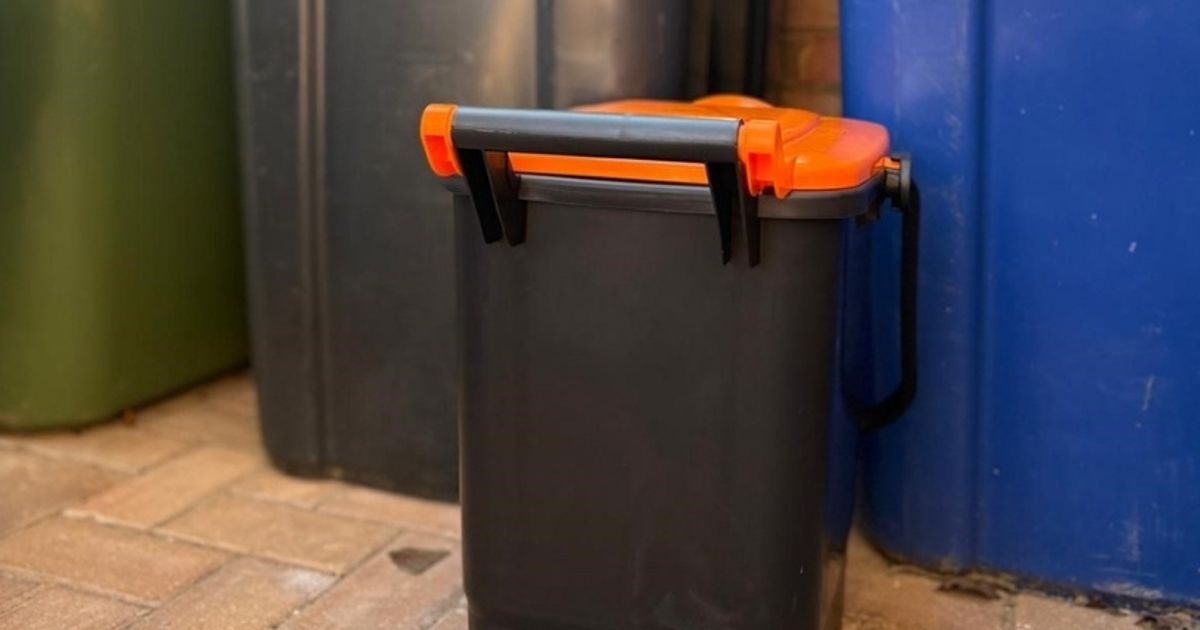
Most residents will start receiving the caddies soon
Jamie Waller Local Democracy Reporter
06:00, 08 Feb 2026
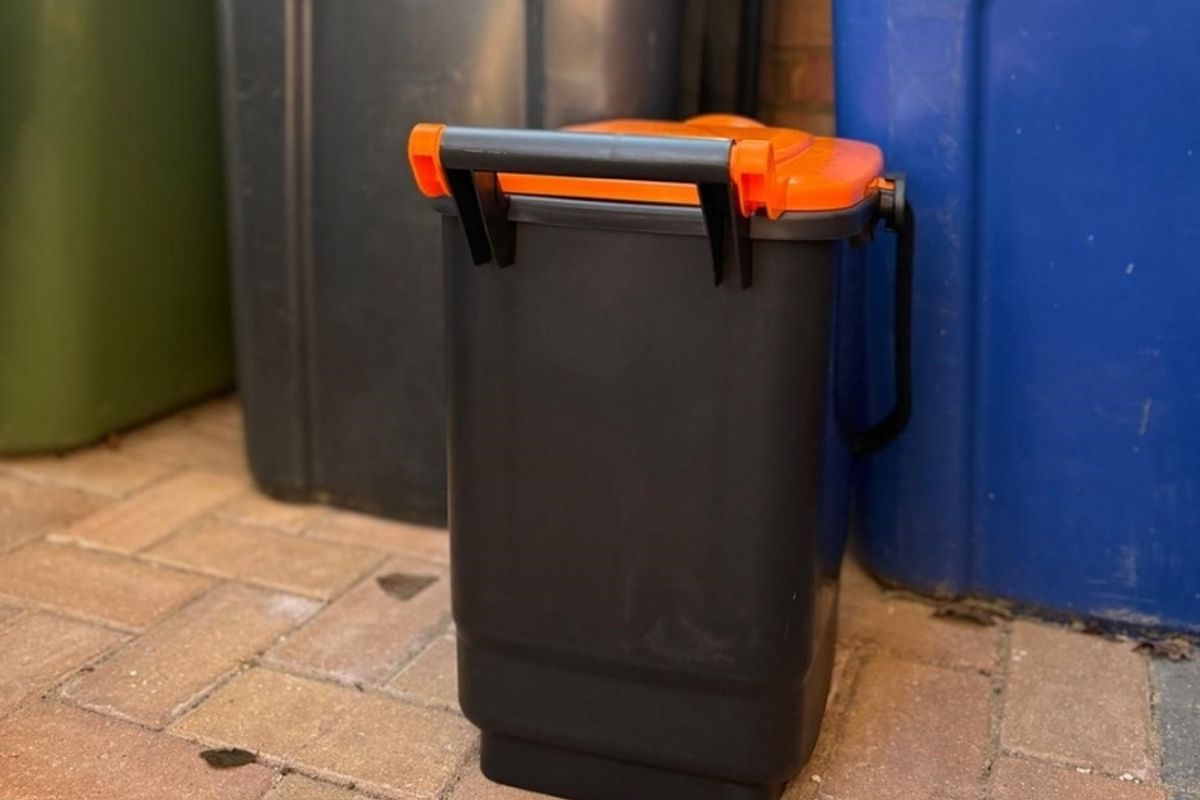
Lincolnshire homes will get indoor and outdoor containers to collect food waste(Image: Lincolnshire County Council)
Some Lincolnshire residents will get new boxes for food waste this week, with others not far behind.
Unwanted leftovers will be collected as part of a new national initiative.
Each home will get a small five-litre indoor caddie (along with 52 bin liners), and a larger 23-litre outdoor caddy with a lockable lid.
Here’s what you can put in them:
All uneaten food and plate scrapingsMeat and fish (either raw or cooked)Dairy productsTea bags and coffee groundsRice, pasta and beansBread, pastries, and cakesRaw/cooked fruit and vegetables, including peelings.Districts are planning on introducing the new change at different times – here’s when each authority says they will begin.Lincoln
Lincoln residents will get their caddies from February 23 onwards, with the first collections starting on March 30.
West Lindsey
West Lindsey District Council began delivering the caddies this week (February 2), and collections will begin at the end of March.
East Lindsey, Boston & South Holland
Lincolnshire’s south east councils – East Lindsey, Boston and South Holland – are aiming to start collections in autumn 2026. They say that households will have the new caddies delivered well in advance.
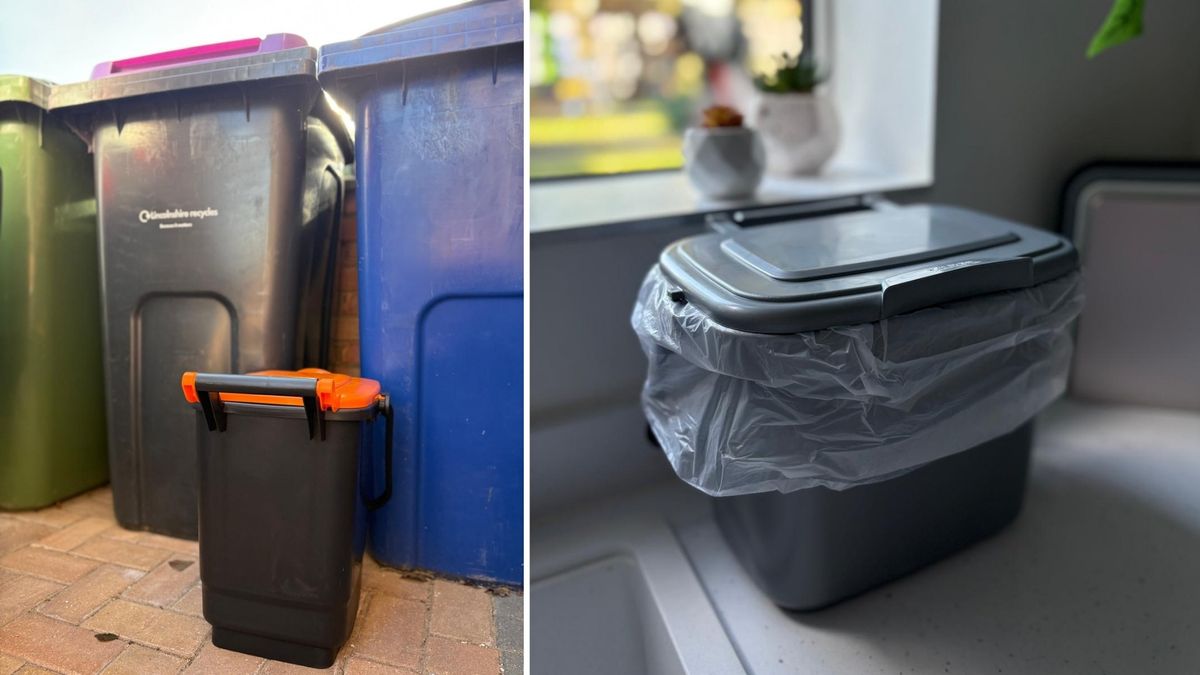
Lincolnshire homes will get indoor and outdoor containers to collect food waste(Image: Lincolnshire County Council)
North Kesteven
Deliveries of caddies have already begun in North Kesteven ahead of the March 30 start date.
South Kesteven
Caddies are being sent out in South Kesteven starting from February 2. Collections will begin the week starting April 13, but residents have been advised they should only start using the caddies the previous week.
Other food waste questions answered
Food waste makes up a surprisingly large amount of rubbish that ends up in landfill – around 26 per cent for Lincolnshire.
By collecting it separately, it can be taken to a local anaerobic digestion facility where it can be turned into nutrient-rich fertiliser for farms and produce renewable energy.
It is a free service, and while residents are encouraged to use the caddies, there won’t be any issues if they don’t.
The outdoor caddies – which are much smaller than traditional wheelie bins – should be taken to the curbside on the designated days.