
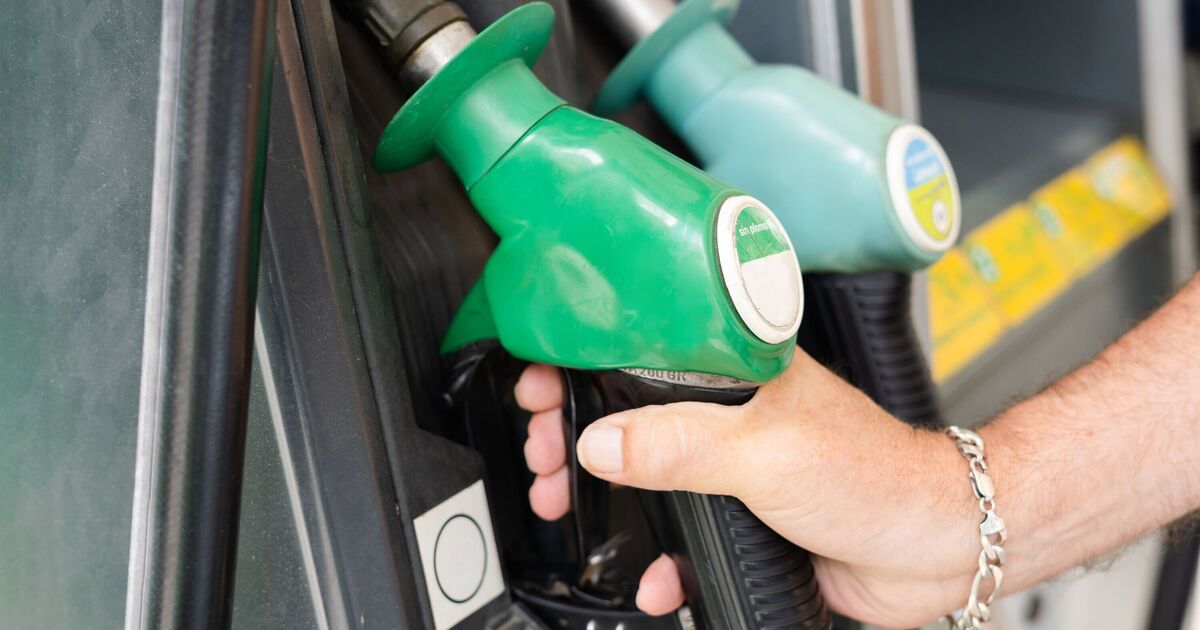
A new law change affecting the price drivers pay at the pumps is in force this week, which looks to save drivers money on petrol, but another change in regulations is set to push the price up in just a few months’ time. On Monday, new rules came into effect, which mean all petrol stations have to report prices to a centralised Fuel Finder map, which shows drivers the cheapest forecourts wherever they live.
The scheme, pushed through by the Competition and Markets Authority, is aiming to drive down petrol and diesel prices through increased competitiveness between rival filling stations, and will pocket drivers an estimated £40 a year saving on average. However, from September this year, the end of a fuel duty freeze is set to start pushing the price at the pumps up by 5p a litre.
A 5p cut in fuel duty previously put in place has been extended again, but only until September 2026, when it is expected to be reversed through a ‘staggered approach’ gradually increasing the duty until March 2027.
The tax has been held at 57.95p since 2011, but the effective rate paid by drivers since 2022 has been 52.95p as a result of a “temporary” 5p cut, which kept getting extended.
It means drivers will be paying very nearly 58p a litre in fuel duty taxes on every litre of petrol they buy, not including the 20% VAT which is charged on the final price on top, once the fuel duty freeze ends.
The RAC explains how it works: “The total retail price paid at the pump also includes a significant amount of tax – 57.95p per litre in fuel duty and 20% VAT.
“This means that over 60% of the price we pay at the pump goes direct to the Treasury, which together with car tax and ‘showroom’ tax totals more than £40bn a year.”
Fuel cost calculator DVANA shows how this works in reality. At current average petrol prices of 131.9p per litre, drivers will, once the fuel duty freeze ends, be paying 58p in fuel duty and 22p in VAT for a total of 80p in tax charges per litre, with the other 51.97p going to the retailer.
From April 2028, electric vehicles will be charged a new ‘mileage tax’ to fill in the gap left by no fuel duty being paid for the vehicles. From April 2028, drivers will be charged an equivalent of 3p per mile for battery electric cars and £0.015p per mile for plug-in hybrid cars. The Chancellor says that this will go towards helping road maintenance.
That price will increase annually with the Consumer Price Index. At present, there is no announced framework for how this policy will be implemented or how drivers will pay for it. It would add an estimated £300 per 10,000 miles driven in an EV.