
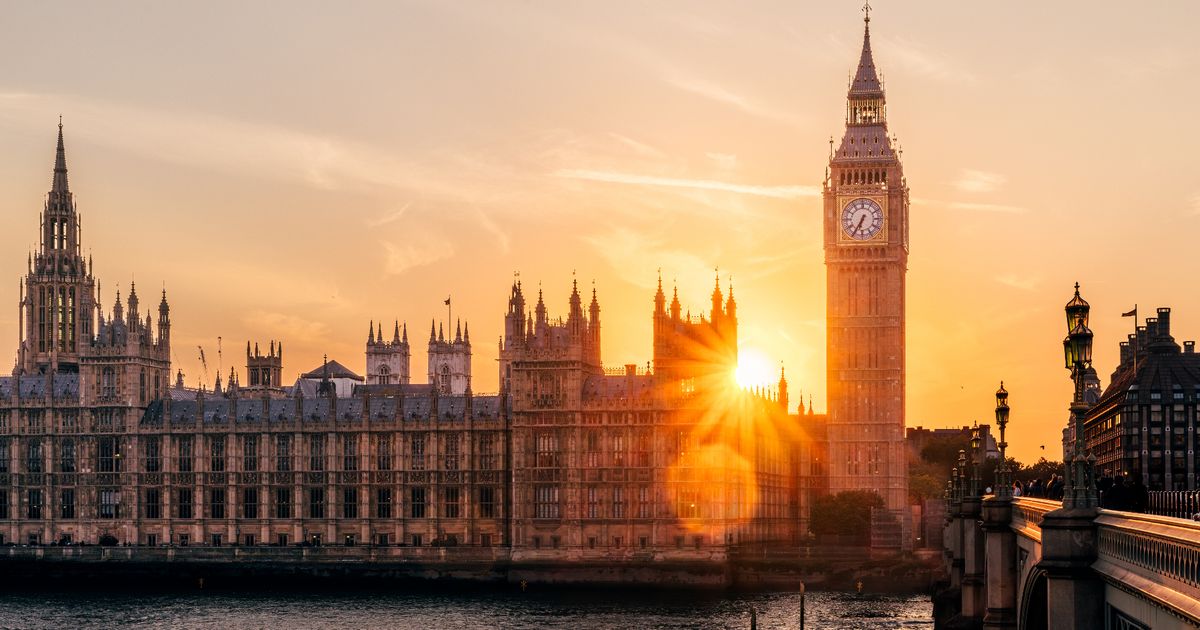
UK sunset times are getting later in a sign that winter is almost over, with evenings of sunlight beginning to lengthen until June’s summer solstice, as tonight’s exact sunset time revealed
Evenings across the UK are set to get brighter over the next few months(Image: Getty Images)
Brits are seeing lighter evenings already, and tonight’s sunset time shows the amount of daylight we’re getting across the UK is rapidly increasing.
The sun is expected to set at around 5.04pm tonight, giving around 9 hours and 18 minutes of daylight. And the good news is that the sunset will keep getting later almost every day for months, meaning brighter evenings all the way into summer.
Astronomy data shows the sunset is now pushing later by a few minutes every day. For example, in Preston, it jumps from around 5.04pm today to about 5.20pm by mid-February. And it will keep climbing into spring. This is happening across the UK as the country moves further away from the darkest part of winter.
READ MORE: Beautiful European island has 21C weather in February and £45 flights from UKREAD MORE: UK snow maps show exactly where five days of blizzards will blast Brits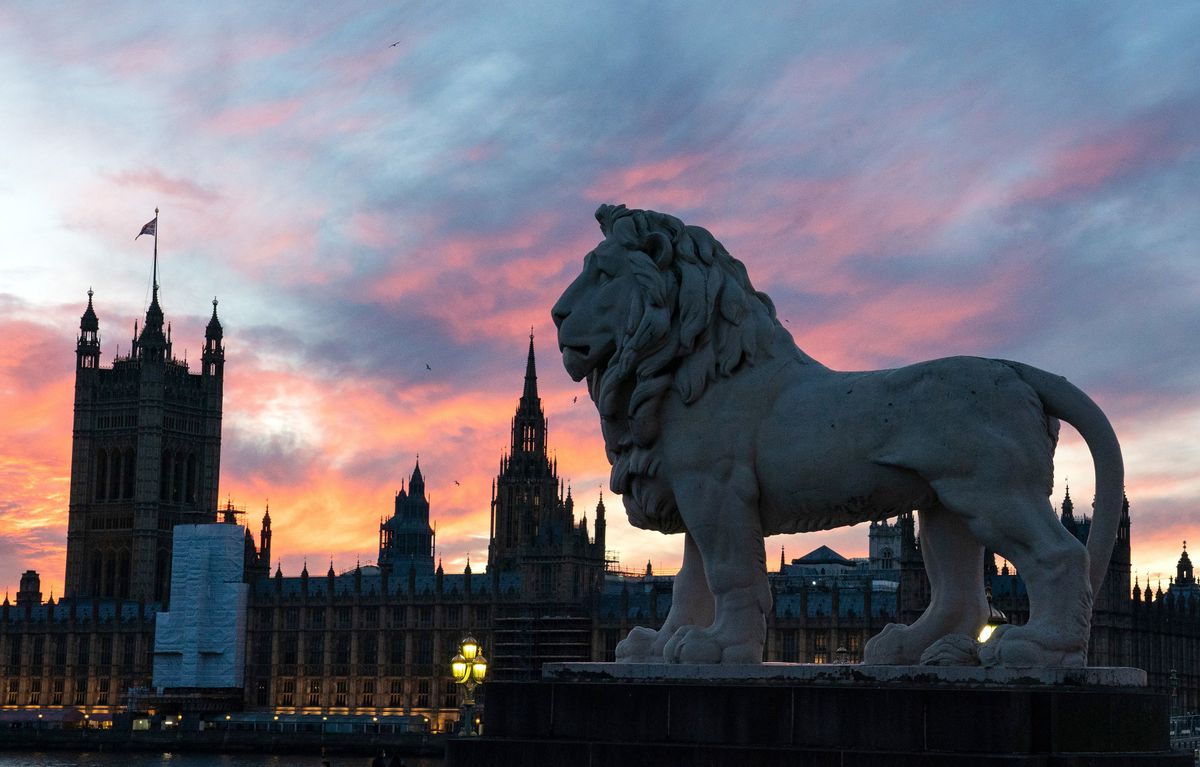
The UK will get more light in the evenings now until October(Image: PA)
Why evenings are getting longer in the UK
The main reason is Earth’s tilt. Scientists say the seasons, and daylight changes, happen because Earth is tilted on its axis while orbiting the Sun. When the Northern Hemisphere tilts away from the Sun, winter happens and days are shorter.
After the winter solstice in December – the shortest day of the year – daylight slowly increases again as the Northern Hemisphere begins tilting back toward the Sun. Without this tilt, we wouldn’t have seasons at all, and day length would barely change through the year.
What is the reason for solstices?
Solstices happen because of the same tilt. The summer solstice, usually around June 21, is the longest day of the year because the Northern Hemisphere is tilted most directly toward the Sun.
The word solstice comes from Latin, meaning the Sun appears to “stand still” before reversing direction in the sky. During the winter solstice, the opposite happens, with the Northern Hemisphere tilting away from the Sun, giving the shortest day and longest night.

The summer solstice will come around June 21(Image: PA)
When will evenings get shorter again in the UK?
The UK will keep gaining daylight until the summer solstice in late June. After that, daylight begins shrinking again bit by bit, and then faster into autumn.
Scientists say days shorten after the summer solstice because Earth continues its orbit and the Northern Hemisphere begins tilting away from the Sun again. By October, sunset will be dramatically earlier than summer, bringing darker evenings back across Britain.
Why it still feels cold even though days are getting longer
There’s also something called seasonal lag. Even though daylight increases after winter solstice, land and oceans take time to warm up, meaning the coldest weather often arrives weeks after the shortest day.
What this means for the UK right now
For now, though, the trend is clear. People living in the UK can expect later sunsets, longer evenings and more daylight everyday.
And with sunset already past 5pm in parts of the UK, spring is slowly edging closer, even if winter weather hasn’t quite finished yet.