
Credit: Alamy
Sat 7 February 2026 17:00, UK
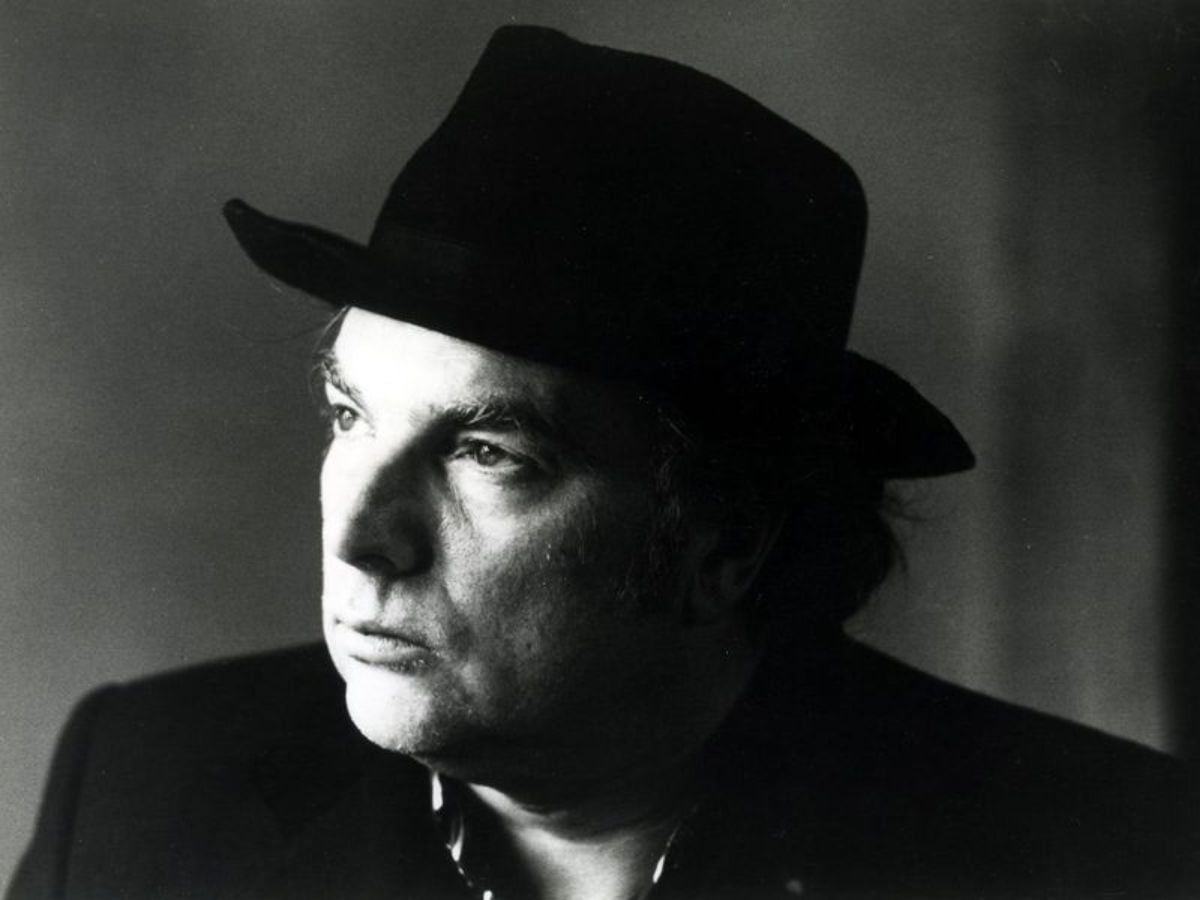
Most of us are guilty of occasionally letting a bad mood, a bad hair day, or general exhaustion affect our behaviour, which in turn might lead to a regrettable interaction with a fellow human, so isn’t it reasonable to give poor Van Morrison the benefit of the doubt, to acknowledge that maybe his 60-year reputation as a prickly pear is nothing more than a daisy-chain of perfectly understandable moments of brief and forgivable weakness?
That might sound like a sarcastic plea, I know, but if you’re more of the introverted type yourself and struggle to pleasantly converse with multiple people a day, imagine dozens of people approaching you on the street every time you leave your house, either trying to get an autograph, telling you how your music has changed their lives, or asking you who played bass on ‘Tupelo Honey’.
That, presumably, was Morrison’s life for many years, and he was never really cut out for it. It might not excuse the rock legend from going down the ‘plan-demic’ rabbit hole in Covid times, but it does explain why he’s spent most of his career keeping his work separate from his life.
Back in 2012, on his album Born to Sing: No Plan B, Morrison sings about this whole anti-social issue in a fairly surprising and direct way on the track ‘Going Down to Monte Carlo’: “Sartre said that hell is other people / I believe that most of them are / Well, their pettiness amazes me / Even after I’ve gone this far”.
Yes, this is not an old crooner overflowing with love for his fellow man, but the song does at least exclude the wealthy visitors of Monte Carlo from the “hell” categorisation, as Van is able to move among them with a much greater sense of peace. “It seems very strange that you could go to Monte Carlo and find peace, but yeah, hey, that happened to me,” Morrison explained to the BBC in 2012, “For one thing, nobody cares. They are too busy with their own lives, and they have enough money, so nobody really gives a damn about who you are, really, so that’s part of it. They’re not going to approach you because they are all kind of stars in their own way, so I can be anonymous there.”
Morrison hits upon the key issue there: the possible explanation for all those surly interviews and dismissive interactions with the public over the years. “Anonymity,” he says, “people don’t realise what a gift it is. They don’t realise what they have. People wanting to be famous, they don’t know what they’re getting into. Anonymity is a gift from God, and people don’t realise what they have.”
It seems, despite all his success and the comfortable life he lives, he has felt a bit cheated, as if he hadn’t noticed the fine print in the ‘fame’ contract he signed in 1967. From his perspective, being a successful recording artist meant something very different in the 1960s, and the changes in culture over the subsequent decades have been a recurring buzzkill.
“I’ve tried to do it without getting into these areas, but because of where we are in history and because we have all this internet, all these magazines, all this hype like fashion, fame, it’s only recent. All of this stuff is very recent,” he said, adding, going full grouch, “People used to be into music in my day. They didn’t care if someone was like wearing a shiny jacket or something, so people usually got into it.”
Again, this all feels quite relatable. None of us wants to be judged for having the wrong shiny jacket, and who among us hasn’t flown down to Monte Carlo for a few months to get away from the riffraff who buy all our albums?