
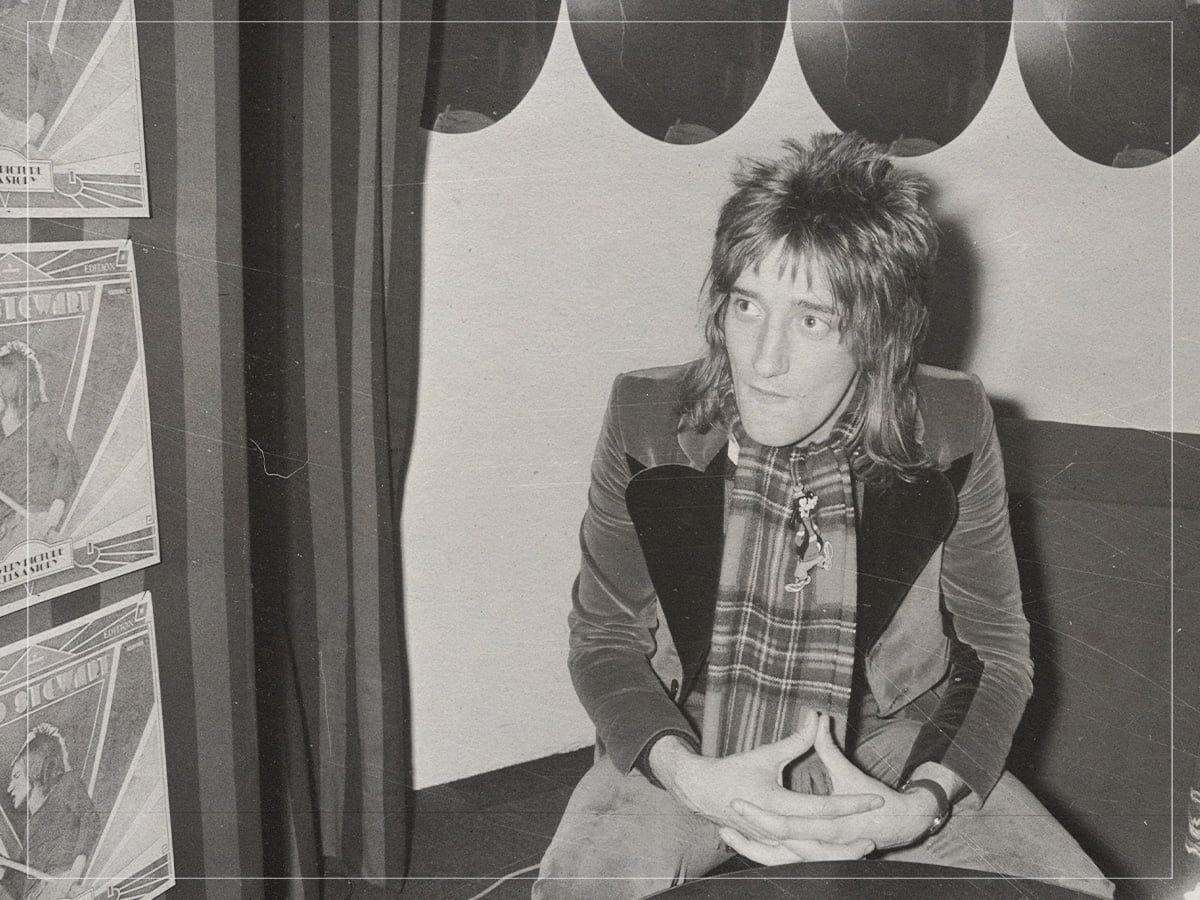
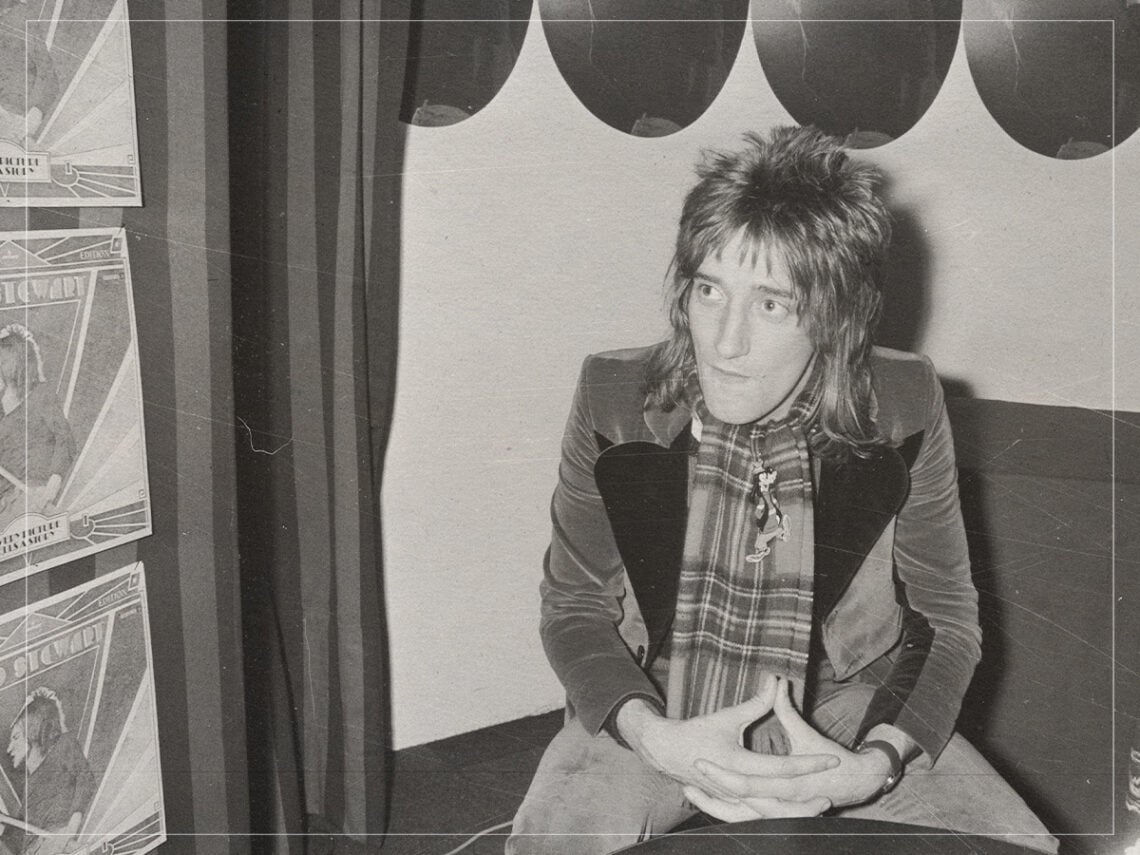
(Credits: Far Out / W. Punt / Dutch National Archives)
Sun 8 February 2026 12:30, UK
You only need to take a passing glance at the feathered hair of the now 81-year-old Rod Stewart to realise that he was always destined to be a rock star.
In spite of his archetypal persona, though, the listening habits of ‘Rod the Mod’ haven’t always been limited to the amphetamine-fueled rock and roll rebellion that first gave him a reputation back in swinging sixties London.
Particularly during those early days, in fact, Stewart was endlessly indebted to the American sounds of soul. It was, after all, the legendary soul vocalist PP Arnold who first recorded ‘The First Cut is the Deepest’, before Stewart made it into one of his most iconic hits.
Any self-respecting mod of the 1960s, in fact, was soaking up the inspiration of the soulful sounds dominating the Soho nightclubs, and Stewart was no different, even if he went on to make a living in the mainstream rock sounds of records like Every Picture Tells a Story.
If you examine the tracklisting of that particular 1971 record, though, Stewart tends to offer up much more than the enigmatic rock sounds of its titular track. Even the album’s ultimate stand-out, ‘Maggie May’, was, in fact, owed almost entirely to the performer’s unending obsession with the world of folk music – an aspect of his output which is far too often overlooked.
Admittedly, it is difficult to imagine the flamboyant performance style and pornographically tight trousers of the rockstar lending themselves naturally to a folk performance style – standing stoically still while strumming an acoustic guitar. Even still, Stewart has been something of a folk obsessive since his earliest origins.
“I thought I was a folk singer,” he told Mojo back in 2013.
Seemingly, then, young Rod Stewart didn’t take too kindly to being pigeonholed as the rockstar he so clearly is. “I thought, ‘Fuck you,’” he exclaimed. “I don’t really like rock ’n’ roll anyway – I was into Woody Guthrie and Jack Elliott, the first Bob Dylan album. I think I’m still very much a folkie at heart.”
While it is hard to imagine that the songwriter ever actually hated rock and roll, his career hasn’t shared a great deal in common with any of that trilogy of folk heroes. Guthrie sang about the plight of the working man, and Dylan typified the countercultural voice of the 1960s, but Stewart spent the peak of his mid-1970s career singing rather cringeworthy songs about the “Hot Legs” of schoolgirls. There isn’t much to compare, in that sense.
Nevertheless, some of Stewart’s biggest tracks, including the aforementioned ‘Maggie May’, do contain a certain degree of folk influence, which, it would appear, was rooted in his appreciation for those titans of folk, suggesting that his rock and roll career is far more multifaceted than it might appear at first glance.
Then again, rock and roll has always been a vast amalgamation of different sounds and influences, anyway. Stewart’s love for folk, soul, and a range of other external genres have certainly added colour to his output over the years, but it is difficult to imagine him occupying any other space in a record store than the out-and-out ‘rock’ section.