

Some people hit their stride in the morning, while others feel most awake and productive at night. But a growing body of evidence suggests that being part of the latter group, the “night owls,” could be linked to poorer heart health.
Now, a large study published Jan. 28 in the Journal of the American Heart Association adds weight to the idea.
Pulling from the UK Biobank, a massive repository of data from U.K. adults, researchers followed more than 322,000 adults ages 39 to 74 for nearly 14 years. They examined how “chronotype” — whether someone is a morning or evening person — relates to their cardiovascular disease risk.
You may like
The participants reported their preferred sleep-wake schedules and were classified as morning, intermediate or evening types. Heart health was assessed using the American Heart Association’s Life’s Essential 8 score, which rates heart health on a scale of 0 to 100 based on eight factors: smoking, diet, exercise, blood sugar, body weight, blood pressure, cholesterol and sleep quality. Higher scores indicate better cardiovascular health.
Compared with intermediate sleepers, “definite evening” types were 79% more likely to have poor overall scores and had a 16% higher risk of heart attack or stroke over about 14 years of follow-up. “Definite morning” types were 5% less likely than intermediate sleepers to have poor scores.
But what’s behind this link? Does something about night owls’ lifestyles set them up for worse heart health, or is there something unique about their biology that plays a role?
How lifestyle may factor in
The night owls scored worse on various lifestyle-related factors, compared to the intermediate sleepers in the biobank study. For example, they had 54% higher nicotine exposure, 42% poorer sleep, 19% lower physical activity, and 8% poorer diet. In contrast, the morning people generally had lower nicotine use and better diets than intermediate types did.
When these differences were taken into account, about 75% of the increased cardiovascular risk observed in night owls appeared to be linked to lifestyle factors, rather than to the chronotype itself. Among these factors, smoking contributed the most (34%), followed by poor sleep (14%), high blood sugar (12%), and diet and body weight (11% each).
“The drivers of overall cardiovascular health are modifiable, including nicotine exposure,” study lead author Sina Kianersi, a postdoctoral research fellow at Brigham and Women’s Hospital and Harvard Medical School, told Live Science in an email. Other influential lifestyle factors included physical activity levels, blood pressure and cholesterol, he added.
“So for people who identify as night owls, it is a good reason to be even more proactive about those basics,” he said.
You may like
Prior studies have suggested that night owls often experience social jet lag, a mismatch between their internal clock and their daily routines. This mismatch may be associated with habits like late-night eating, skipped breakfasts, irregular sleep and a greater reliance on caffeine or nicotine. In turn, these behaviors have been linked to factors that raise heart disease risk, such as higher body mass index (BMI), elevated blood sugar, higher insulin resistance, and lower levels of good cholesterol.
Past research also indicates that, even if they get a decent amount of sleep overall, adults with irregular sleep patterns have a 26% higher risk of stroke, heart attack, or heart failure than those with regular sleep patterns.
“Fragmented or insufficient sleep can raise blood pressure, cholesterol, and blood sugar, often with weight gain,” Dr. Bibhu Mohanty, an associate professor at the University of South Florida who was not involved in the research, told Live Science in an email. “This is largely driven by [the stress hormone] cortisol, which mobilizes sugar and fat in ways that can make disease harder to reverse, once it is established.”
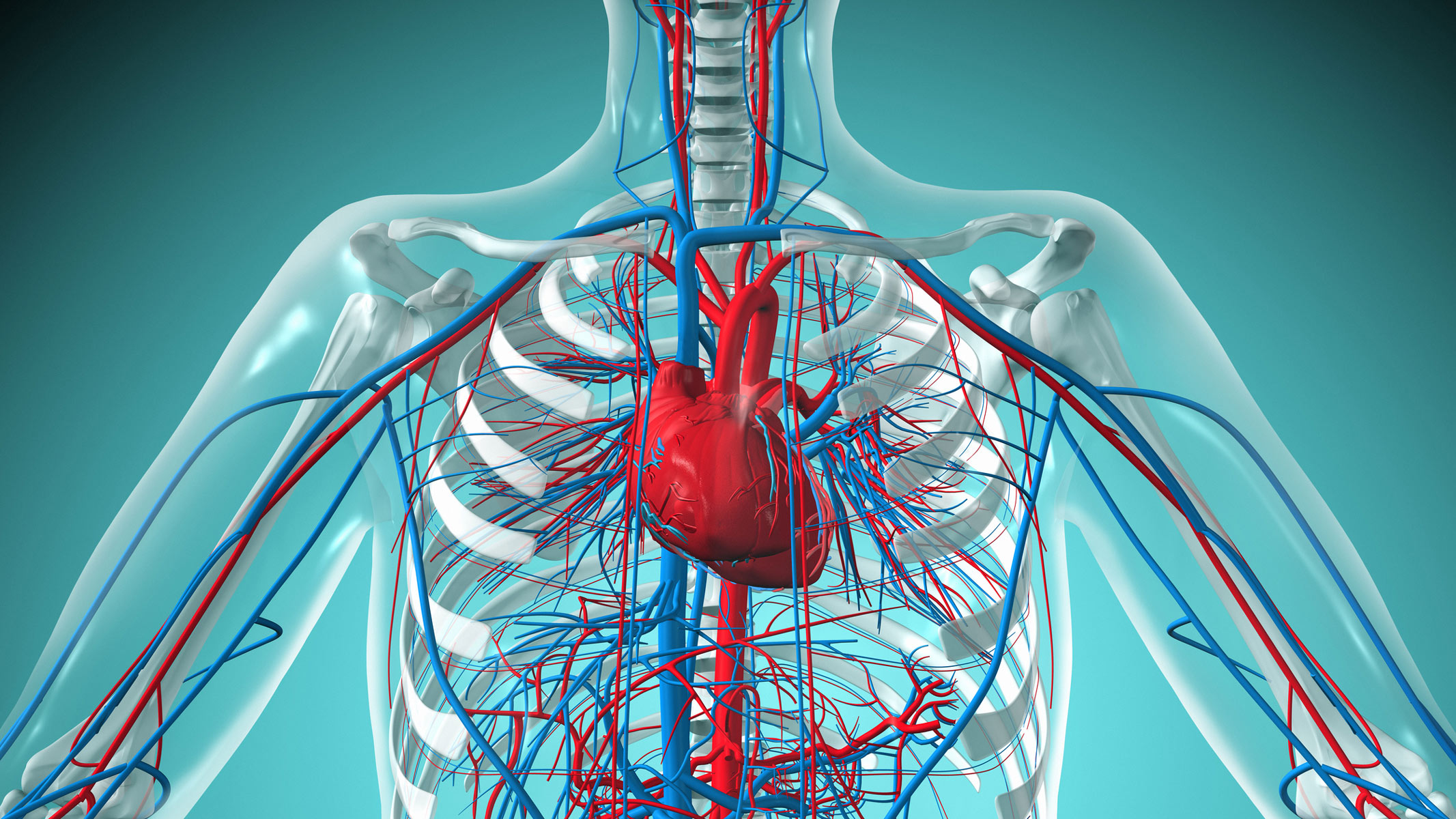
Both lifestyle and biological factors may help explain why night owls tend to have worse heart health than morning larks. (Image credit: Getty Images)The biology of night owls
Being a night owl isn’t a choice — it’s partly written in people’s genes.
Studies have linked hundreds of genetic variants to chronotype. Many of the highlighted genes are involved in regulating the body’s 24-hour clocks, or circadian rhythms. These rhythms help control sleep, appetite, hormone cycles and heart function throughout the day and night.
People with late chronotypes often have delayed circadian rhythms. That means their levels of melatonin, the sleep-promoting hormone, rise later in the evening than they do in early chronotypes. In turn, their cortisol, which helps wake up the body, rises later in the morning than usual.
This shift can throw the body out of sync with the normal day-night cycle, making the body’s fight-or-flight system overactive. As a result, blood pressure can stay high at night, and inflammation and oxidative stress increase. Over time, these changes can damage blood vessels, disrupt blood sugar, and promote plaque buildup in the arteries, which may manifest as heart disease, studies suggest.
Many of the genes involved in determining chronotype also directly affect lipid and glucose metabolism, or how the body breaks down fats and sugars. Studies show that evening types show altered expression of these “clock genes” alongside elevated inflammation markers and triglycerides, a type of fat, compared to morning types. These patterns may contribute to metabolic issues like insulin resistance and poor cholesterol, which are known heart disease risks, though more research is needed to confirm the direct link.
Early evidence also suggests subtle differences in heart structure and function in night owls, though the long-term effects of these differences are still being studied.
Questions to address
Some data from the UK Biobank study suggest the link between night owls and poorer heart health may be stronger in females than in males. Female night owls were 96% more likely, and male night owls 67% more likely, than their intermediate chronotype counterparts to have a poor overall cardiovascular health profile, according to the LE8 score.
Kianersi said, “This difference could reflect social pressures, biology, or both. It’s a signal that deserves further study.”
Even though the UK Biobank study found a link between the chronotype and poorer heart health, being a night owl doesn’t doom you to cardiovascular disease.
“We need studies that get closer to cause and effect, using approaches like genetics as well as intervention research,” Kianersi said. “And it will be important to see if these patterns hold in younger adults and in other populations with different work schedules and environments.”
For night owls looking to protect their hearts, Mohanty advises focusing on improving lifestyle habits whenever possible.
“That means developing healthier sleep routines, exercising, making healthy dietary choices, avoiding unnecessary snacking and smoking, and potentially using medication to reduce risk if needed,” he said. Approaching heart health holistically is “probably the best approach to limit risk.”
This article is for informational purposes only and is not meant to offer medical advice.
Kianersi, S., Potts, K. S., Wang, H., Sofer, T., Noordam, R., Rutter, M. K., Rexrode, K., Redline, S., & Huang, T. (2026). Chronotype, life’s essential 8, and risk of cardiovascular disease: A prospective cohort study in UK Biobank. Journal of the American Heart Association, 15(3). https://doi.org/10.1161/jaha.125.044189