
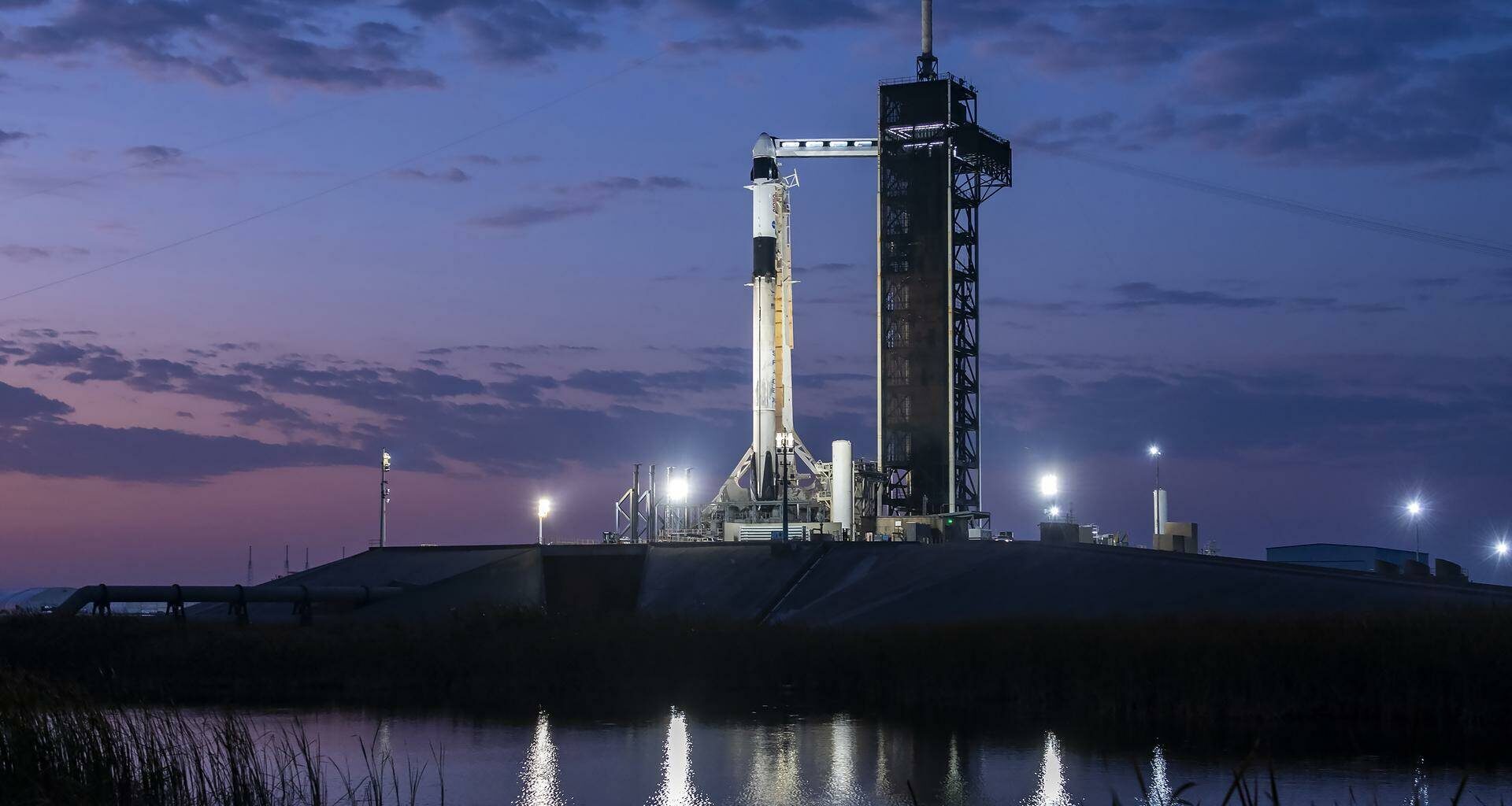
SpaceX resumed launching Falcon 9 rockets this weekend after last week’s second stage incident. At the same time, CEO Elon Musk claimed that the company has shifted its focus from Mars to “building a self-growing city on the Moon” within a decade.
The second stage issue, which resulted in a failed deorbit burn and subsequent reentry over the Southern Indian Ocean, was due to “an off-nominal condition caused by a failed ignition due to a gas bubble in the transfer tube ahead of the planned deorbit burn.”
Launches of the workhorse rocket were halted while an investigation took place. Shortly after, the US Federal Aviation Administration (FAA) told The Register: “The FAA will oversee every step of the investigation, approve the final report and any corrective actions.”
A few days later, the FAA gave SpaceX the nod to resume launches and said in a statement: “The FAA oversaw and accepted the findings of the SpaceX-led investigation. The final mishap report cites the probable root cause as the Falcon 9 stage 2 engine’s failure to ignite before the deorbit burn.
“SpaceX identified technical and organizational preventative measures to avoid a reoccurrence of the event. The Falcon 9 vehicle is authorized to return to flight.”
So all good? Kind of. On February 7, at 2058 UTC, SpaceX launched another 25 Starlink satellites from Vandenberg. The successful mission cleared the path for the upcoming Crew-12 mission, but far greater challenges lie ahead.
These were articulated in a post on X (formerly Twitter) by Musk, who wrote: “SpaceX has already shifted focus to building a self-growing city on the Moon, as we can potentially achieve that in less than 10 years, whereas Mars would take 20+ years.”
The word “potentially” is doing a lot of heavy lifting. SpaceX was awarded a contract in 2021 to build a lunar lander variant of its Starship rocket. However, a few short years later, NASA admitted that the company was behind schedule and reopened the competition for the landing contract, with a view to getting boots on the Moon’s surface by the end of Trump’s second term in 2029.
SpaceX responded with a progress update that was heavy on renders and mock-ups but light on actual details.
At the end of January, Jeff Bezos’ Blue Origin announced it would pause its New Shepard flights and shift resources to accelerate the development of the company’s lunar capabilities. In 2023, Blue Origin unveiled a cargo version mock-up of its Blue Moon lunar lander. The prospect of the company accelerating the development of the human-rated model cannot be far from Musk’s thoughts.
However, given that SpaceX has yet to put a Starship into orbit (though it might finally do so this year), Musk’s “less than 10 years” is optimistic, even if the funding spigot is turned on. ®