
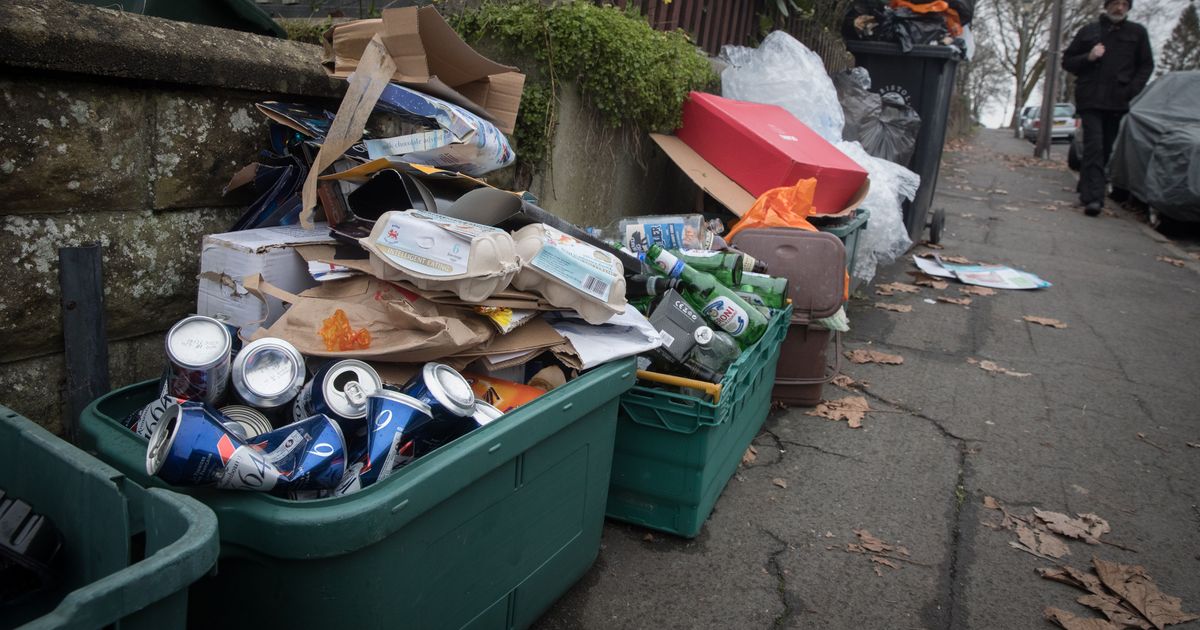
The Department for Environment, Food & Rural Affairs has issued a new statement as every household in England to get new bins next month
14:30, 09 Feb 2026Updated 15:44, 09 Feb 2026
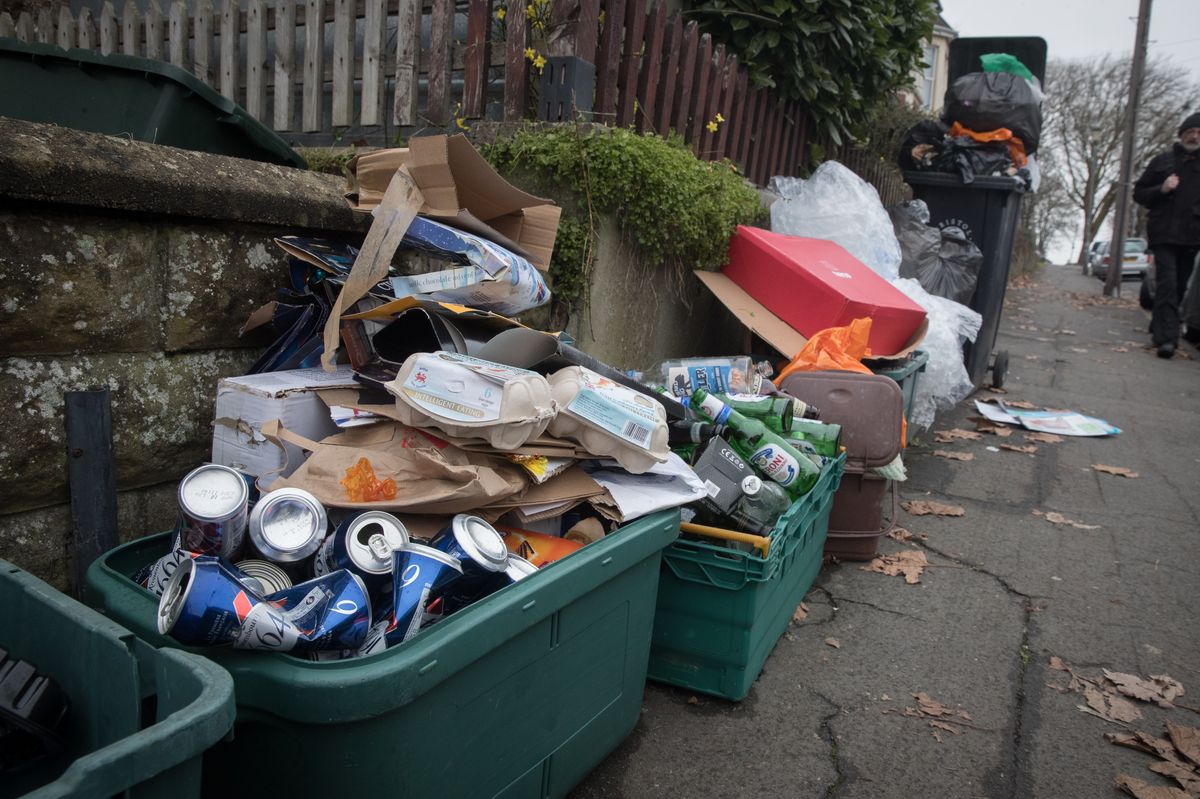
From March 31 a big change will be happening to the recycling of every home in England
The Department for Environment, Food & Rural Affairs has issued a new fines update as massive changes to the bin collections for every household in England are just weeks away. Under the new Simpler Recycling plan the new default requirement for most households and workplaces will be 4 containers.
From March 31, waste collectors must collect food and garden waste, paper and card, all other dry recyclable material and residual waste separately. This means people will have at least four bins, and the changes are likely to cause a good deal of confusion. Officials have confirmed that some items which might sound like they would be included in the four categories must not go in the recycling, meaning people could be liable for fines.
After some reports, including on the BBC that fines could total £400 a time, the Department for Environment, Food & Rural Affairs (DEFRA) has issued a clarification – and said fines could be issued – but are likely to be around £80. DEFRA urged homeowners to check their local authority website ‘to see how these can be recycled or disposed of at specific recycling points or Household Waste & Recycling centres.’
It added: “Local authorities are responsible for providing clear, local information to households about what can and cannot be recycled in each waste stream, to reduce confusion.
“Any penalty for incorrect presentation of household waste in England is a civil penalty, not a criminal fine. A Fixed Penalty Notice – valued between £60 and £80 – can only be issued after a written warning and where incorrect presentation is causing a nuisance.”
A Defra spokesperson said: “From March, every household in England will receive weekly food waste collections and will have the same materials collected for recycling. Local authorities will continue to deliver services in a way that works best for their area, but these reforms will end the postcode lottery of bin collections and help keep our streets cleaner.”
The government confirmed a £295 million capital funding pot to help councils buy the new vehicles and kitchen caddies needed for the March 2026 weekly food waste deadline.
appearing on BBC Morning Live, lawyer Gary Rycroft said: “There are new rules coming in, the government has imposed new rules in England to say that people should have four different types of waste. The rules come into force March 31st this year. So moving forward, you’re going to have to separate your waste into things that can’t be recycled, then we’ve got food waste, and then we’ve got paper and card, and then we’ve got other dry recycling—glass, plastic, and tin.”
On the issue of £400 fines he said: “But these are the new rules. And of course, it’s really important for us all that we recycle, that we don’t waste things, so it is a really good policy. The £400 thing, well actually there’ve always been rules about how you use your bins.
“There’s always been rules about not overfilling your bin in case seagulls come and take the waste away. There are rules about not keeping it on the pavement for too long, just putting it out on the right day. Always check with your local council, that’s the key thing to do. Your local council will have their own rules. Check with them. If you’re not sure what to do, check with the council and check with them about when you’re going to get your new bins if you’ve not got them already.”
There are six areas which include items which must not be put into recycling: Glass. Metal, Plastic, Paper and card, Food waste, Garden waste.
Summary of items people must NOT put into the new bins:Glass
You do not need to collect any glass not used as packaging. This includes:
candlesdrinking glassesflat glassglass cookware (such as Pyrex)light bulbs and tubesmicrowave platesmirrorsvaseswindow glassceramics, such as crockery or earthenwareMetal
You do not need to collect:
laminated foil, like pet food pouches and coffee poucheselectrical items and batteriesgeneral kitchenware like cutlery, pots and panskettlesironspipesmetal packaging that has contained white spirits, paints, engine oils or antifreezePlastic
You do not need to collect:
any plastic packaging or non-packaging items labelled as ‘compostable’ or ‘biodegradable’, including coffee podsplastic bottles that have contained white spirits, paints, engine oils or antifreezebulky rigid plastics such as garden furniture, bins and plastic toyspolystyrene (expanded and high impact) packaging such as packing beadspolyvinyl chloride (PVC) packagingPaper and card
You do not need to collect:
food and drinks cartons made of a fibre-based composite (these should be collected in the plastic stream)absorbent hygiene products (AHPs) including nappies, period products and incontinence productscotton wool or makeup padstissue or toilet paperwet wipesFood waste
You do not need to collect any plastic packaging or non-packaging items labelled as ‘compostable’ or ‘biodegradable’, including coffee pods.
Food waste caddy liners used to hold food waste can be collected.
Garden waste
You do not need to collect:
animal beddingbulky waste (including garden furniture and fencing)garden tools or other gardening equipmentplant potsplasticsandsawduststone, gravel or brickstea bags or coffee groundsbranches and trees over a certain size may have to be cut into smaller pieces to follow local guidance
For more information on the scheme visit the government website here.