
New figures have been revealed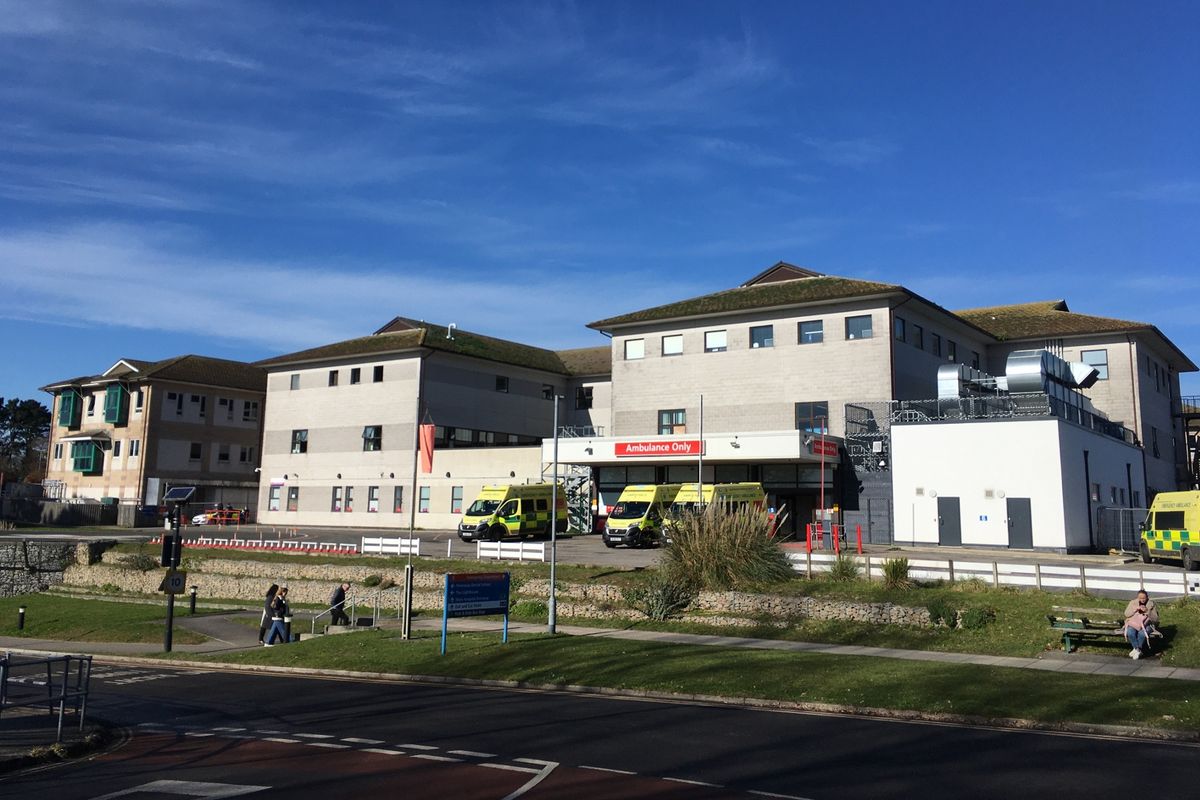
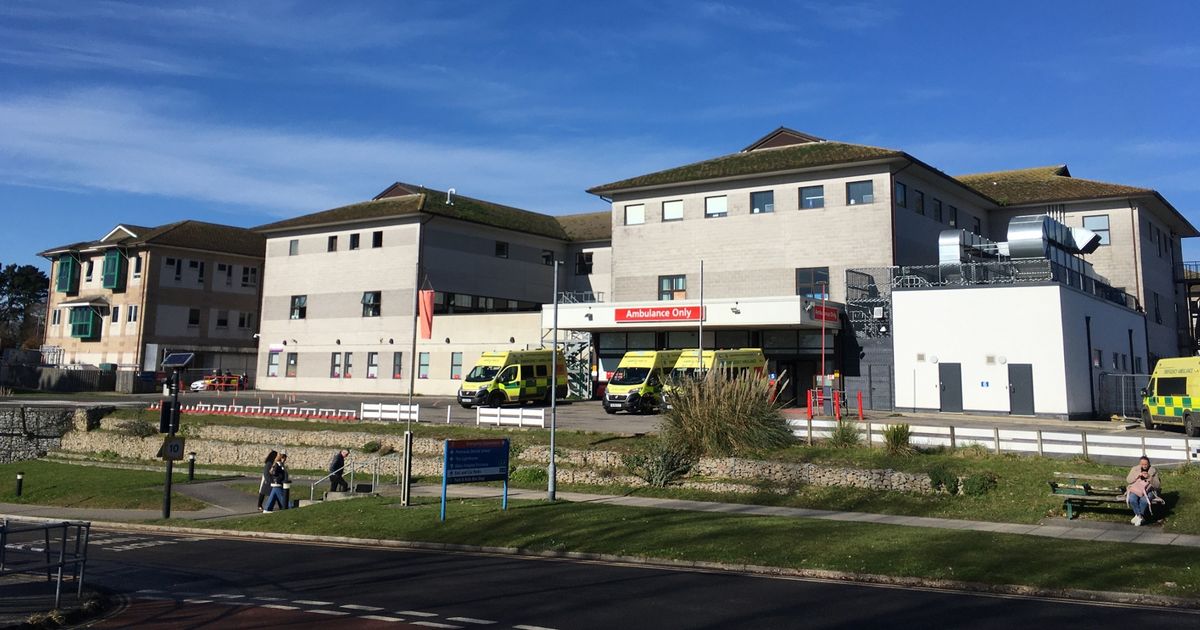
File picture of the Royal Cornwall Hospital at Treliske in Truro(Image: CornwalLive)
One patient at a hospital in Cornwall is among eight people who have reported being sexually assaulted there, new figures have revealed.
Data obtained through a Freedom of Information request by the Sexual Abuse Compensation Advice (SACA) shows that the Royal Cornwall Hospitals Trust (RCHT) – which runs Treliske in Truro as well as St Michael’s Hospital in Hayle and the West Cornwall Hospital in Penzance – logged eight sexual offence cases at its hospitals between 2022/23 and 2024/25.
The highest number of allegations was reported in 2023/24, when four cases were recorded. This was followed by three cases in 2024/25 and one case in 2022/23.
The majority of complaints in Cornwall were raised by members of staff. In 2022/23, the only allegation came from an employee. In 2023/24, three members of staff and one patient made complaints, while in 2024/25, all three reports were submitted by staff.
Across the three-year period, RCHT confirmed that four employees were disciplined in connection with sexual offence allegations – one in 2022/23, two in 2023/24, and one in 2024/25.
However, no staff members were dismissed in relation to sexual offences between 2022 and 2025.
Experts have called for mandatory trauma-informed training, clearer reporting pathways, stronger protections for whistleblowers and more consistent sanctions to ensure that sexual offences within healthcare settings are treated with the seriousness they warrant.
“What these disclosures show is a pattern that can no longer be dismissed as isolated wrongdoing,” said Ellie Lamey, a Criminal Injuries Compensation Authority specialist with SACA.
“Healthcare environments place enormous trust in professionals, and when that trust is abused the impact on victims can be profound and long-lasting.
“We regularly hear from people who stayed silent for months or years because they believed speaking up would achieve nothing or would place them at personal or professional risk.
“That silence should not be mistaken for absence of harm – it reflects fear, imbalance of power and a system that too often prioritises reputation over protection.”
Concerns about sexual safety in NHS hospitals are not confined to Cornwall. At Gloucestershire Health and Care NHS Foundation Trust, 77 sexual assaults were recorded over the same three-year period, including the alleged rape of a patient while under the trust’s care.
Meanwhile, over in the North East, The Newcastle upon Tyne Hospitals NHS Foundation Trust recorded an unnerving 99 sexual offences in the last three years – eight of the victims were patients. Four staff members of the trust were disciplined.
While the two trusts are among the worst offenders in England, concerns about sexual assault and harassment within healthcare settings are not isolated to individual NHS trusts.
National evidence shows that sexual misconduct in medicine is widespread, under-reported, and inconsistently sanctioned, particularly where strong power imbalances exist between staff and patients.
A recent analysis of Medical Practitioners Tribunal Service (MPTS) decisions found that nearly a quarter of all tribunal cases heard in a single year involved sexual misconduct – with over half of those cases involving sexual assault allegations.
Among cases where misconduct was proven, 65 per cent resulted in doctors being erased from the medical register, while 35 per cent led only to suspension, even in serious cases
In 24 per cent of cases, tribunals imposed less severe sanctions than those recommended by the General Medical Council, raising concerns about leniency and inconsistency.
One in four (26 per cent) of cases involved offences against children. The study also found that all doctors sanctioned for sexual misconduct were male, with 83 per cent holding senior positions of authority, such as consultants or GPs.
General practice and surgery were the most commonly represented specialties. Researchers highlighted that seniority often enables abuse, as perpetrators may control patients’ care or staff members’ training, career progression, or employment conditions.
Surveys across the medical profession show that more than half of those experiencing sexual harassment or assault do not report it – often due to fear of retaliation, belief that reporting will not lead to action, or concern about career consequences.
In tribunal proceedings, victim-survivors are typically required to give evidence without guaranteed access to legal advice or specialist advocacy – a process experts warn can be re-traumatising.
Ms Lamey added: “There must be robust, survivor-centred reporting processes, independent oversight and consequences that genuinely reflect the seriousness of these behaviours. Without that, confidence in healthcare institutions will continue to be eroded, and those affected will remain without the justice and support they deserve.”
A spokesperson for RCHT said: “We actively encourage the reporting of any incident of sexual misconduct and will always take appropriate action.
“The incidents reported can range from inappropriate comments to more serious offences and some will be due to delirium, ill mental health, and other wellbeing issues.
“We continually seek to improve our care and working environments to keep everyone safe, and to adapt and update the training we provide.”
Want the latest Cornwall breaking news and top stories first? Click here to join CornwallLive on WhatsApp and we’ll send breaking news and top stories directly to your phone. We also treat our community members to special offers, promotions, and adverts from us and our partners. If you don’t like our community, you can check out any time you like. If you’re curious, you can read our Privacy Notice.