

Omeprazole is a proton pump inhibitor that reduces stomach acid to treat heartburn, acid reflux, and ulcers.Charlotte Smith , Robert Rowlands and Ambarish Awale Trainee Trends, Showbiz and Lifestyle Writer
18:14, 09 Feb 2026Updated 07:29, 10 Feb 2026
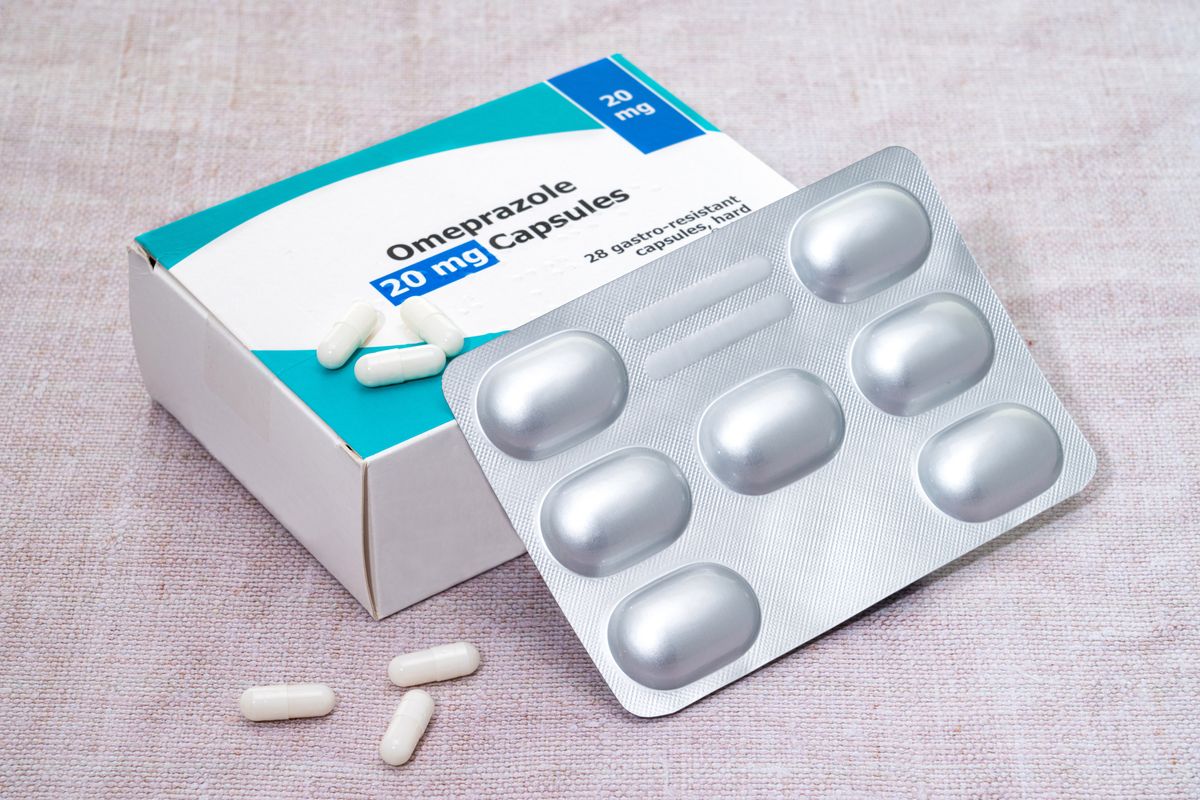
ITV doctor Dr Amir Khan has warned that long-term use of omeprazole, a common acid-reducing PPI for heartburn and ulcers, can carry health risks.(Image: Getty Images)
ITV’s resident doctor Dr Amir Khan has issued a warning about the potential risks of prolonged use of omeprazole, a widely prescribed medication for acid-related conditions. The drug, commonly given to treat heartburn, acid reflux and stomach ulcers, belongs to a class of medicines known as proton pump inhibitors, or PPIs, which work by reducing stomach acid and allowing damaged digestive tissue to heal.
Speaking to his 788,000 Instagram followers, NHS GP Dr Khan explained while the drugs are highly effective, long-term use can carry risks, Mirror reports. “Lots of people are on medication, and for the vast majority, they do a world of good. But sometimes they can bring side effects you might not have expected.
“So I’m going to share three common ones and, more importantly, what you can do about them,” he said.
He stressed patients should not stop taking their medication suddenly and should always consult a GP or pharmacist if they have concerns. “All meds can have possible side effects. Here are some things you need to know and what to do,” he wrote in the Instagram caption accompanying the video, first posted late last year.
Content cannot be displayed without consent
Dr Khan highlighted the specific risks associated with PPIs such as omeprazole and lanzoprazole. “They’re brilliant for settling acid. But long-term use can mean your body absorbs less vitamin B12, magnesium and calcium. That can leave some people feeling tired or at risk of weaker bones,” he explained.
He advised those on long-term PPI treatment to check their vitamin levels and maintain a diet rich in green leafy vegetables, nuts and dairy. He also noted, under GP supervision, some patients may be able to reduce their dose or use the medication intermittently.

He advised long-term PPI users to monitor vitamin levels and eat a diet diet rich in green leafy vegetables, nuts and dairy(Image: Getty Images)
Extended use of omeprazole can disrupt the absorption of vital nutrients, leading to potential health issues. Vitamin B12 deficiency may cause nerve problems, mental fog and light-headedness.
Low magnesium levels, a condition called hypomagnesemia, can trigger muscle spasms, fatigue, irregular heartbeats or, in severe cases, seizures. Prolonged PPI use may also result in iron and calcium deficiencies, affecting bone strength and overall health.
Reduced stomach acid can increase susceptibility to infections, including Clostridioides difficile, which causes severe diarrhoea. Research has also indicated a possible short-term rise in pneumonia risk, though long-term evidence is less clear.
Bone fractures are another concern. High-dose use over a year or more has been linked to a greater risk of fractures in the hip, wrist and spine, likely due to impaired calcium absorption.
Dr Khan also highlighted potential kidney complications, with long-term use associated with chronic kidney disease, and the development of fundic gland polyps, benign growths on the stomach lining.
“The key takeaway is that PPIs are highly effective, but prolonged use can carry risks. Don’t panic, but do speak to your GP about monitoring vitamin levels and whether your dose can be adjusted,” he said.