
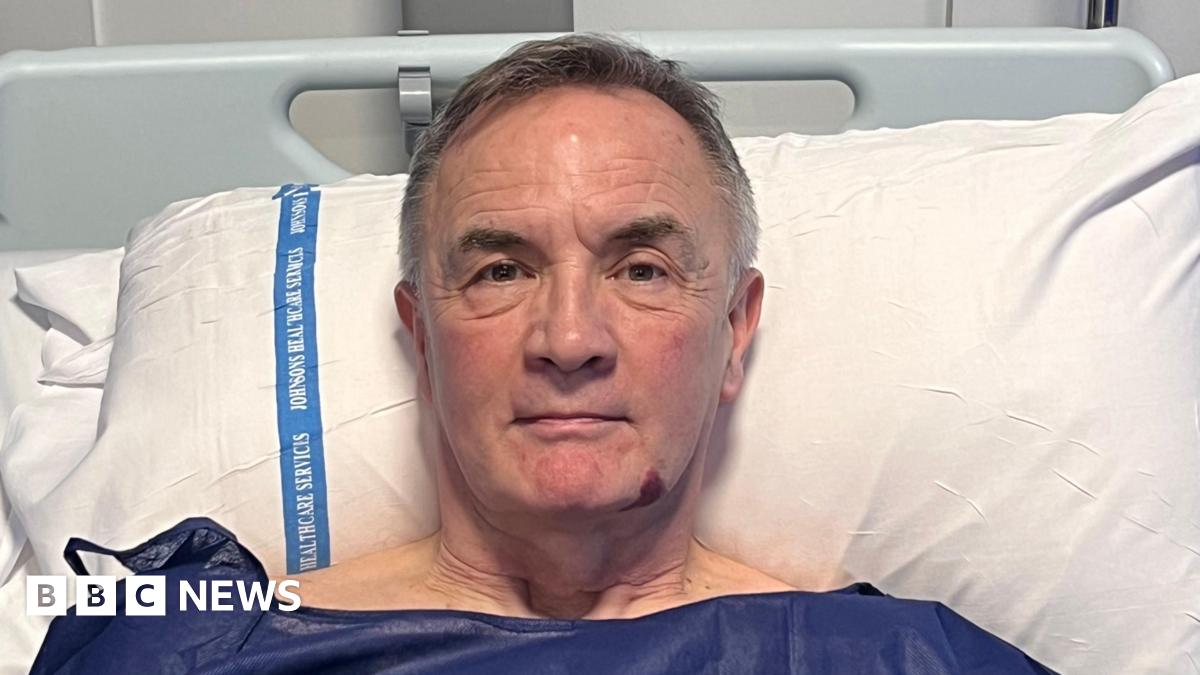
Sixty patients have been treated at the RVH during the trial.
“This benefits the hospital when it comes to patient flow and addressing waiting lists, also there is no need for an anaesthetist which is good as there is a global shortage of specialists,” Dr Nick Cromie, a cardiac Electrophysiologist, said.
Cromie explained that the Volt PFA System uses high energy electrical pulses to precisely target and treat abnormal cardiac tissue.
This minimises the risk of damage to surrounding structures such as the oesophagus or blood vessels.
“This system is a big step forward in both patient safety and the hospital being a lot more efficient with its staff and use of theatre time,” he said.
One of several consultants at the RVH who is carrying out the procedure, Cromie said it’s all about preventing more serious illness like stroke and heart attack.
“We entered the blood stream at the top of the inner thigh and then travelled up through the blood stream all the way up to Michael’s heart – where we punctured a small hole to access the chamber where the problem is and then inflated a small balloon.
“That helps us conduct electrical signals in the catheter into the heart tissue which needs treated,” he explained.