

NHS GP Dr Punam Krishan warns about long-term omeprazole use and red flag symptoms people need to be aware ofCharlotte Smith Senior Lifestyle Content Editor, Robert Rowlands Deputy editor, Money and lifestyle hub and Holly Morgan Senior Reporter
14:50, 09 Feb 2026

NHS GP Dr Punam Krishan warns anyone taking PPIs to get regular check-ups(Image: BBC)
Dr Punam Krishan, resident doctor on BBC Morning Live, has issued a warning to those taking proton pump inhibitors (PPIs) such as omeprazole for conditions like heartburn, acid reflux and indigestion. Acid reflux affects a quarter of adults in the UK, with many experiencing episodes throughout their lives, often triggered by large meals.
For those suffering from persistent symptoms, doctors may prescribe PPIs like omeprazole to ease discomfort. However, Dr Punam has emphasised the need for caution among those using this medication, particularly over long periods, underlining the importance of regular medical check-ups.
Alongside her role on Morning Live, Dr Punam works as an NHS GP.
And in addition to her work as a GP, she is also a media medic, health broadcaster, and children’s author. Speaking to BBC Morning Live hosts Gethin Jones and Helen Skelton, Dr Punam began her advice by explaining what acid reflux involves, reports the Mirror.
She clarified: “Acid reflux is all about what happens in your stomach. So we all have acid in our stomach and it has a very important role. The role of that is to break down and digest the food. Now, at the top of the stomach, we have a little valve, a sphincter, and it acts like a trapdoor.”
“And its job is to basically seal the contents so the acid is not essentially tracking back up the food pipe, your oesophagus. However, if that sphincter, that valve, becomes too loose, it can become very relaxed by things like heavy meals.
“If you’ve had alcohol, if you lie down straight after having a heavy meal, that can actually mean that that acid from the stomach can end up creeping back up the food pipe and cause that heavy pressured burning sensation that people get.” Stay in the know by making sure you’re receiving our daily newsletter
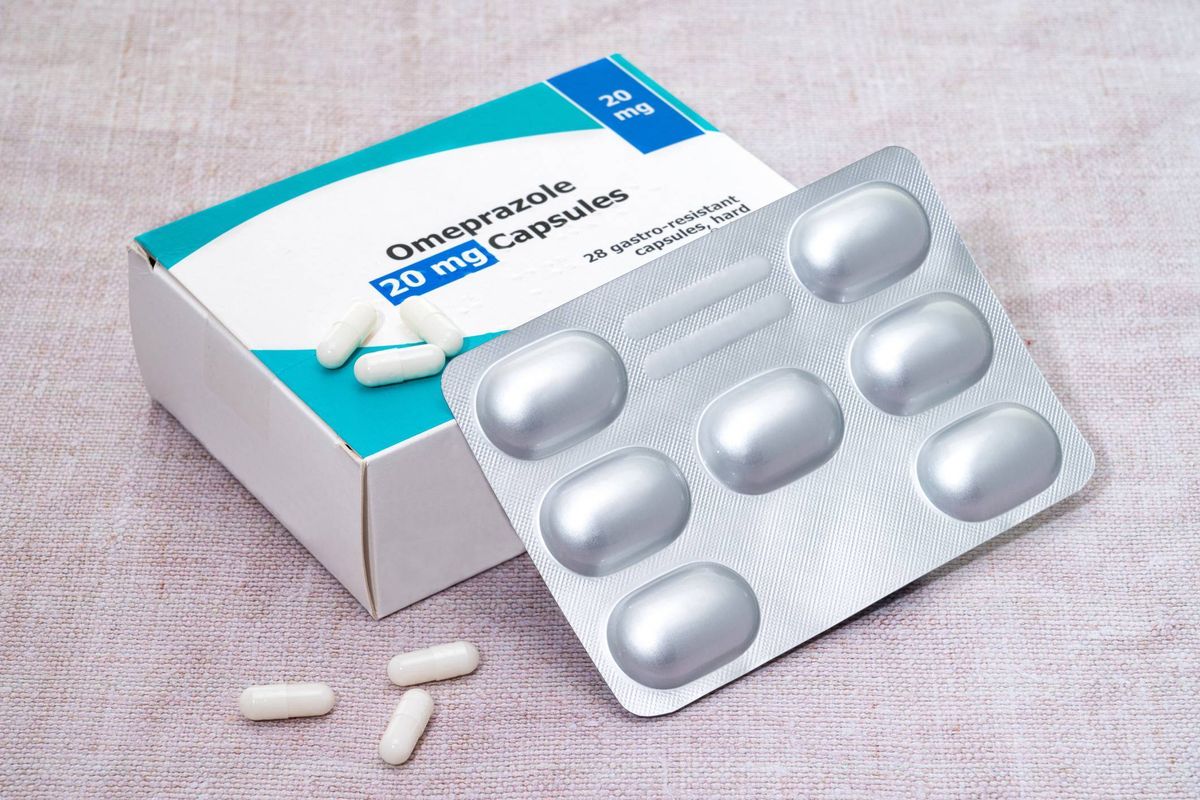
The NHS GP warns anyone taking PPIs to get regular check-ups to avoid long-term risks and symptoms (Image: Getty)
When presenter Gethin enquired: “What about the most common ways to treat it then?”, Dr Punam outlined several treatment options.
During the programme, which was broadcast late last year but remains relevant, she explained: “So there are lots of different things that we can do.
“If, of course, you’re having it just every now and then, then lots of people do get antacids or basically medications like alginates. Examples of that include Gaviscon. And these basically help to just kind of neutralise the acid. They’re very effective and you can just use them as and when needed.”
For more stubborn symptoms, she explained that GPs frequently prescribed proton pump inhibitors, commonly known as PPIs, including medications such as omeprazole and lansoprazole.
“If the discomfort is persistent, we often prescribe proton pump inhibitors, PPIs for short. Examples of these are omeprazole, lansoprazole. And these are incredible and have really transformed the way that we treat acid reflux. They essentially help to treat the acid production at the source.”
The NHS GP issued a caution to those taking PPIs, stating: “Essentially these medications aren’t there to be used unnecessarily or for a long period of time.
“They do require us to review them. And that’s because if used over a long period of time, they can slightly increase your risk of things like low magnesium, low vitamin B12, but also increase the risk of gut infections, particularly Clostridioides difficile. We call that C. diff for short.”
Stressing the necessity of regular check-ups for patients on long-term PPIs, Dr Punam added: “Now, we have this bacteria in our bowel, you and I, we all have it, and it lives in balance. However, medications like PPIs can tip that balance. And if you get overgrowth of this bacterium, it can cause persistent diarrhoea. That is a red flag.
“So you do need to speak to your doctor if that is an issue and you suddenly start developing diarrhoea. Or if you’ve got a change in bowel habit, we always say check in with your doctor. Just make sure that you are getting those reviews with your GP.”
Helen queried: “I guess the trouble is if it works, you stick with it, don’t you?” To which Dr Punam concurred: “Yeah, it is.”
Gethin then chimed in: “But you don’t even know how long you’re taking it for in the end, are you?” Dr Punam responded: “Well, that’s just it. Sometimes you can just be taking it, and the problem is resolved, but you’re just taking the medication. So do go in for your regular reviews.”
How often should individuals on PPIs consult their GP?
If you’re self-medicating with omeprazole, it shouldn’t be used for more than two weeks. In certain circumstances, you should seek medical advice.
For those prescribed omeprazole for prolonged periods, doctors should conduct regular checks. Your GP will organise a schedule for follow-up appointments tailored to your specific health needs and risk factors, typically every six to 12 months.
If your GP advises taking omeprazole for over a year, routine reviews become crucial to minimise the chance of enduring adverse effects.
Which symptoms warrant attention?
Low magnesium symptoms can present as muscle cramps, fatigue, and irregular heartbeat, along with subtler signs such as loss of appetite, nausea, and general weakness. More severe deficiencies may result in numbness, tingling sensations, personality changes, seizures, and abnormal heart rhythms.
Signs of vitamin B12 deficiency can include fatigue, weakness, pale skin, and a sore or swollen red tongue. Further symptoms might include neurological issues like pins and needles, balance problems, and memory difficulties, as well as shortness of breath, heart palpitations, and digestive problems.
Symptoms of a C. diff intestinal infection include frequent, watery diarrhoea, abdominal pain and cramping, high temperature (fever), nausea, poor appetite, and dehydration.
In severe cases, complications may arise, including life-threatening inflammation of the bowel.
What diagnostic tests are available?
Helen enquired: “What if you want to do something without medication? Can you ease the symptoms without taking any meds?”
The NHS GP responded: “So, if you have got symptoms that have not settled despite you trying to manage them, then it is important to check in with your GP because we would want to investigate that further.
“Ultimately, you want to find out what is the root cause of this and is it something more serious. We would do tests like checking for a bacterium called Helicobacter pylori, which increases the production of acid. We may refer you for a gastroscopy. This is a camera test that goes into the stomach to see is there any inflammation, any ulcers, anything more serious.”
What other treatments are available besides medication?
Dr Punam elaborated: “At the end of the day, medications are great, but there’s lots of things that we can do every day in our lifestyles that make a massive, massive difference. The first thing is if you are struggling with heartburn, indigestion, acid reflux, then eat smaller portions.
“If you eat big, heavy meals, you can actually put a lot of pressure on your stomach. Again, we’re going back to that valve, which can become a bit lax and cause acid to track up.
“Avoid lying down after a meal for at least three to four hours. When we lie flat, the sphincter relaxes, and acid can return to the oesophagus.
“If you have symptoms, prop up your pillows so your chest is slightly higher than your waist, so you’re just slouched up a little bit. Again, avoid lying flat. It really, really works a treat.
“Don’t wear tight clothes. We all want to loosen that button on your jeans after a meal, but actually just get into looser clothing because tight clothes can actually put a lot of pressure on your stomach as well.
“Gentle teas like chamomile work really well. Ginger tea is fantastic. Chamomile works really well, ginger tea is fantastic. A lot of people turn to mint. Now mint is great if you’ve got IBS or tummy cramps, but actually for reflux it can make the problem worse. So stick to ginger tea or chamomile tea.
“Avoid certain foods as well. Knowing your triggers. So keep a diary. I’m a big one for diaries. Look at when you get your symptoms, what have you had or done that day that could have exacerbated them. Taking them into your doctor is a real help to us. And that and also managing your weight. I think that goes without saying can make a big difference.”