
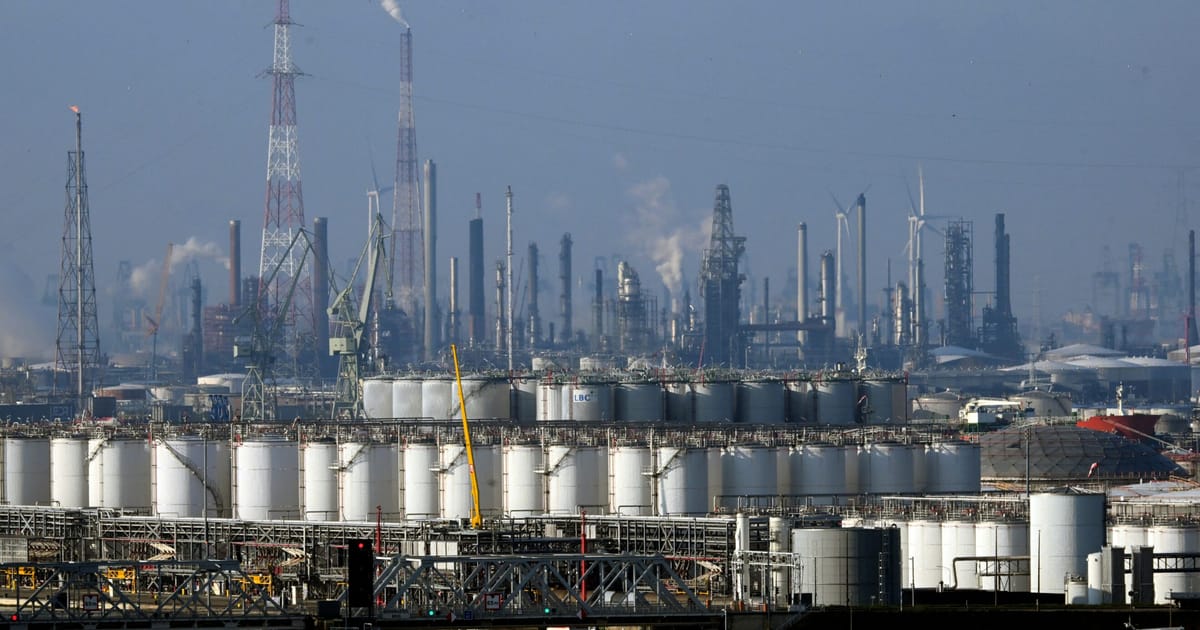
Chemical investments in Europe collapsed by more than 80 percent in 2025 from the year before, according to a recent report from CEFIC, while capacity closures continue to outpace new projects — turning Europe into a place to shut plants, not build them.
Analysts say China’s rapid expansion into chemicals production is adding pressure. “European producers are especially hit, largely due to high energy costs and a reliance on uncompetitive liquid feedstocks, with the least competitive assets continuing to post negative margins,” said Andrew Neale, global head of chemicals at S&P Global Energy. As a result, he said, “longer-term investment in decarbonization and circularity have been deprioritized.”
Dow’s recent investment decisions illustrate this well. The American chemical giant plans to close three plants in Europe and cut 800 jobs, citing the need to exit “higher-cost, energy-intensive assets” as the continent’s competitiveness erodes.
“It’s very clear that Europe currently suffers from a lack of competitiveness,” Julia Schlenz, president of Dow Europe, told POLITICO, warning that carbon costs and regulation are moving faster than the infrastructure needed to decarbonize.
As the bad news keeps coming, the sector has increasingly called for the ETS to be weakened. In July last year CEFIC published its demands, including the issuance of free carbon allowances, a longer timeline for phasing out emissions, and the inclusion of carbon removal credits. BASF’s Kamieth, who is also president of CEFIC, repeated those calls this week in an interview with the Financial Times, calling the ETS in its current form “obsolete.”
Member countries and the European Parliament have already agreed to consider these proposed changes in the upcoming review of the ETS.