
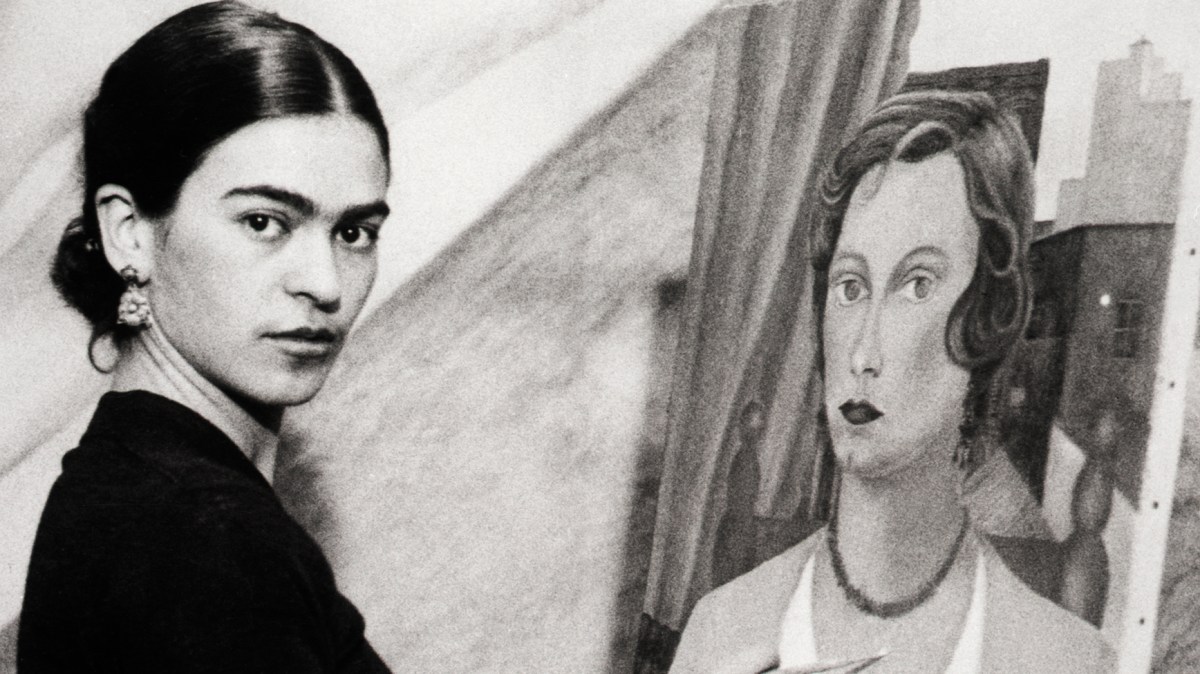
Quite how many hundreds of millions of dollars were paid for one of the world’s great modern art collections is unknown.
But given that the Gelman Mexican collection holds at least 18 works by Frida Kahlo and that her The Dream (The Bed) sold last November for nearly $55 million, it must have been a pretty packet.
Nothing was even known about the collection’s new owners until last month, when the bank Santander said that 160 of its more than 300 works would be travelling to Spain for exhibition in its new gallery, Faro Santander.
The announcement, which revealed that the ultra-wealthy Zambrano family had bought the collection in 2023, has sent shock waves through the country’s art market. It prompted accusations that the state had failed to safeguard Mexico’s artistic heritage. It also cast back into the spotlight a collection long blighted by mystery and feuding heirs.
“This agreement is a powerful expression of trust and friendship between Mexico and Spain, two countries with deep economic, social and cultural ties,” Ana Botín, head of Santander, said. “The Gelman Santander Collection is one of the most important collections of 20th-century art and an extraordinary showcase of Mexico’s artistic wealth.
“It is wonderful news that Santander, through its foundation, will assume responsibility for managing this exceptional artistic ensemble and contribute to its international diffusion.”
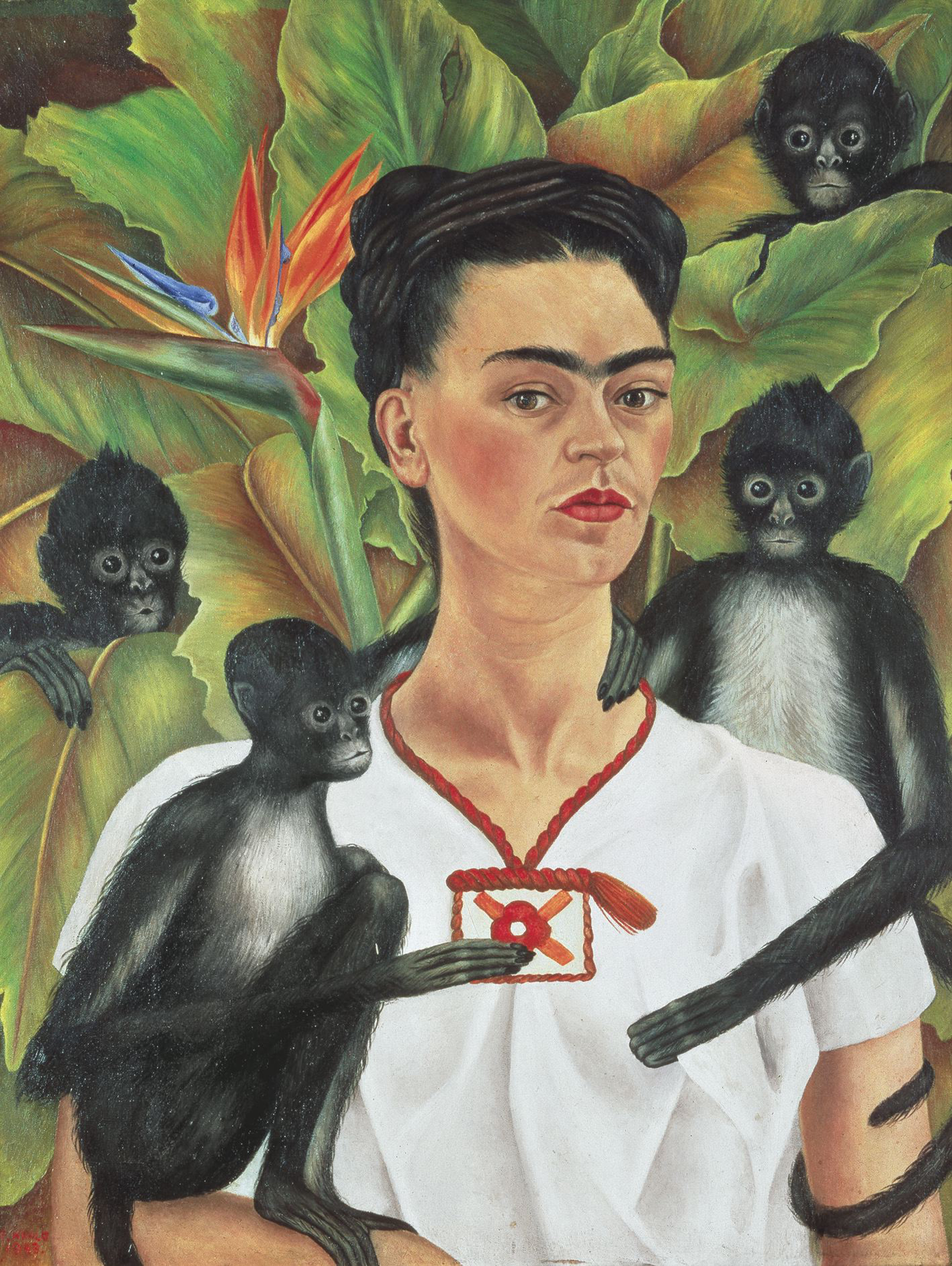
Self-Portrait with Monkeys (1943) is among the most famous of the works showing at Faro Santander
FINE ART IMAGES/HERITAGE IMAGES/GETTY IMAGES
Mexican critics, however, argue that the departure of such an important body of work raises uncomfortable questions about cultural policy and the enforcement of heritage protections.
Cuauhtémoc Medina, one of Mexico’s best-known curators, described the situation as symptomatic of a state that had failed to build and “protect modern cultural patrimony”, warning of what he called “poor transparency in the management of Mexico’s artistic heritage”.
Medina’s remarks have been widely cited as reflecting broader unease among museum professionals and collectors. The concern, market participants say, is not simply that masterpieces are travelling abroad, but under what legal and institutional conditions?
Others have voiced frustration at what they see as a missed opportunity for the Mexican state. Gerardo Estrada, a former head of Mexico’s fine arts institute, said: “The Gelman collection should have stayed in Mexico; we wanted it, but there were no resources.”
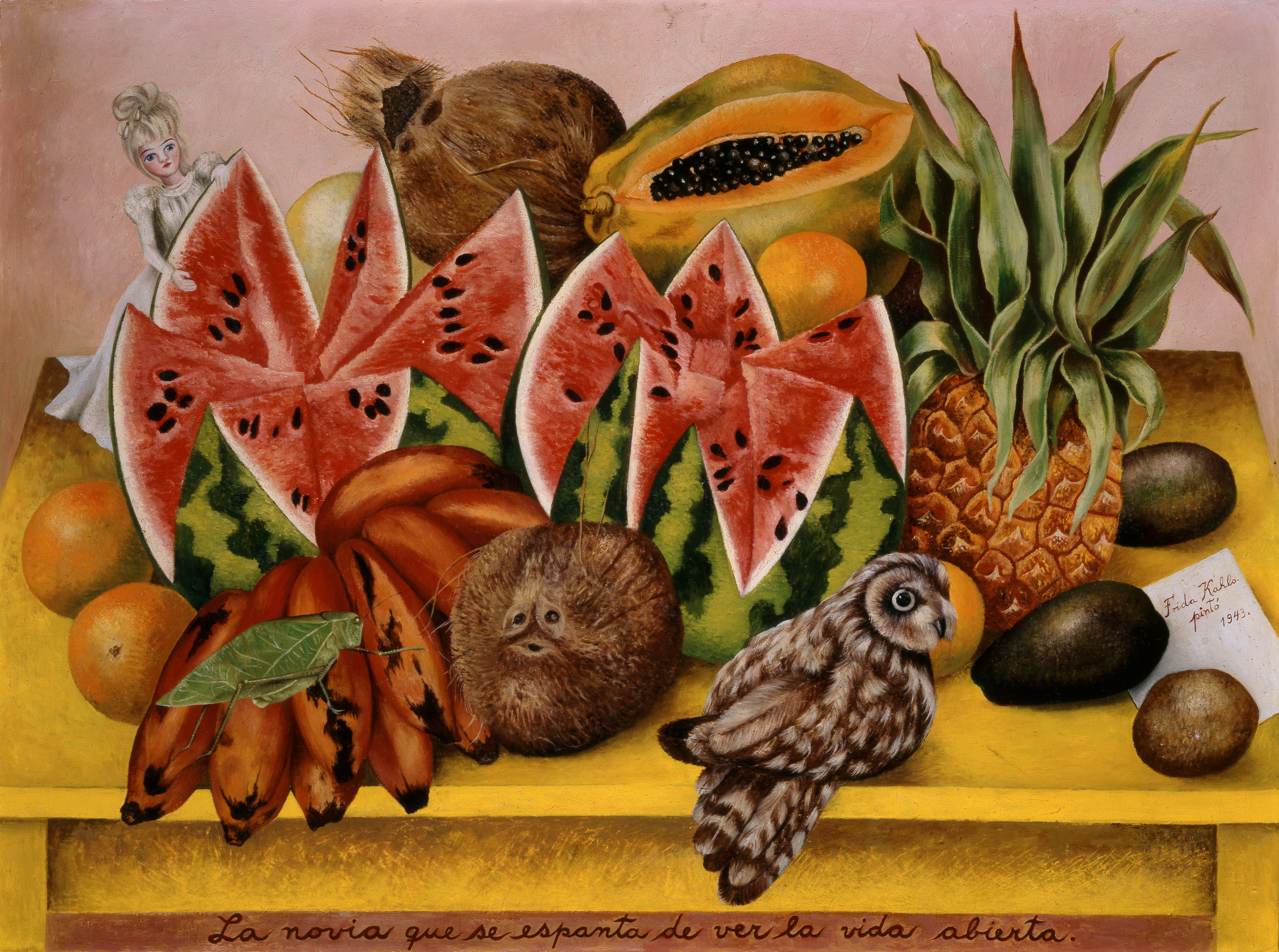
The Bride Frightened at Seeing Life Opened (1943)
DIEGO RIVERA FRIDA KAHLO MUSEUMS TRUST/DACS
Art dealers and advisers say the announcement has unsettled parts of the market. High-value works by Kahlo and her husband, Diego Rivera, are subject to strict export rules when classified as national artistic monuments, and uncertainty over regulatory oversight has fed private anxiety.
The collection, Santander bank stated, includes 18 works by Frida Kahlo alongside paintings by leading Mexican artists such as Rivera, María Izquierdo, Rufino Tamayo, José Clemente Orozco and David Alfaro Siqueiros, as well as an important selection of Mexican photography. The works will form part of the inaugural programme of Faro Santander, which opens in June, and will also be exhibited in important museums around the world.
The Kahlo works span the artist’s career, Santander added, comprising ten paintings, seven drawings and one print, including some of her most iconic self-portraits. Among the best-known paintings in the collection are Diego on My Mind, Self-Portrait with Necklace, Self-Portrait with Monkeys, Portrait of Natasha Gelman, The Bride Frightened at Seeing Life Opened and The Love Embrace of the Universe.

Diego on My Mind (1943)
DIEGO RIVERA FRIDA KAHLO MUSEUMS TRUST/DACS
The collection was formed from the 1940s onwards by Jacques and Natasha Gelman, the bank noted, referring to the couple who built one of the most admired private holdings of Mexican modern art after settling in the country.
Jacques Gelman, born in Europe, arrived in Mexico in 1938 and later became a prominent film producer. His success during the golden age of Mexican cinema financed what would become a celebrated collecting career.
• The scandal of the missing Frida Kahlo masterpieces
Over time, the Gelmans assembled three significant collections: a European modern art collection, later donated to the Metropolitan Museum of Art in New York; a pre-Columbian sculpture collection; and the Mexican modern art collection now at the centre of controversy.
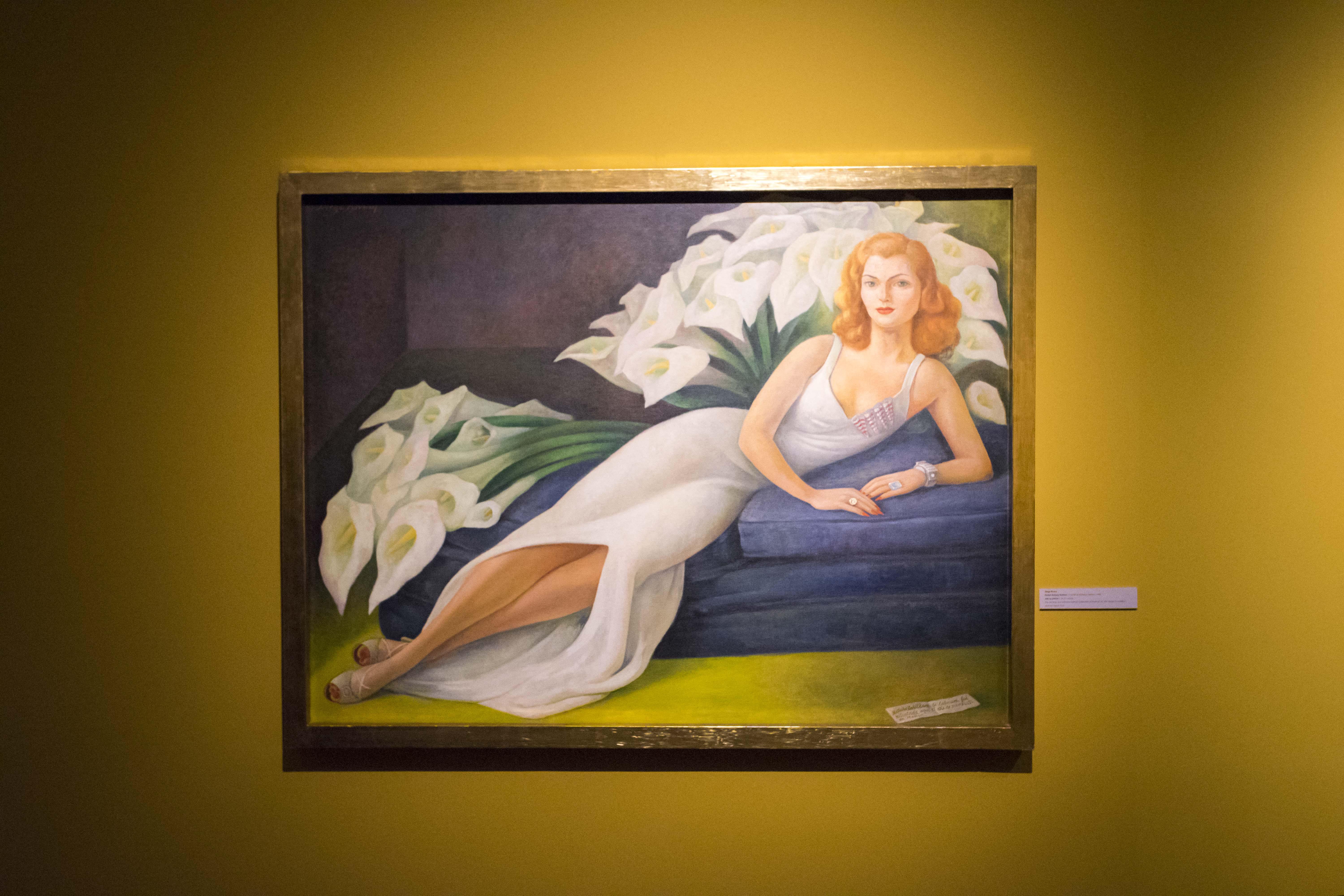
Portrait of Natasha Gelman (1943) by Kahlo honours one of the founders of the collection of more than 300 works of Mexican art
ALAMY
After Gelman died in 1986, his wife, Natasha, continued expanding the collection with the advice of the American curator Robert R Littman, whom she named executor. After she died in 1998, Littman created the Fundación Vergel to administer the works.
In 2023, the Zambrano family reached an agreement with the foundation to acquire the collection, the bank said. The saga revives memories of earlier disputes over the collection, which for decades was entangled in litigation involving heirs, foundations and contested wills.
In recent years, selections from the Gelman holdings have appeared in prestigious international exhibitions at institutions such as Tate Modern and the Victoria & Albert Museum, reinforcing the collection’s global stature while limiting its visibility at home.
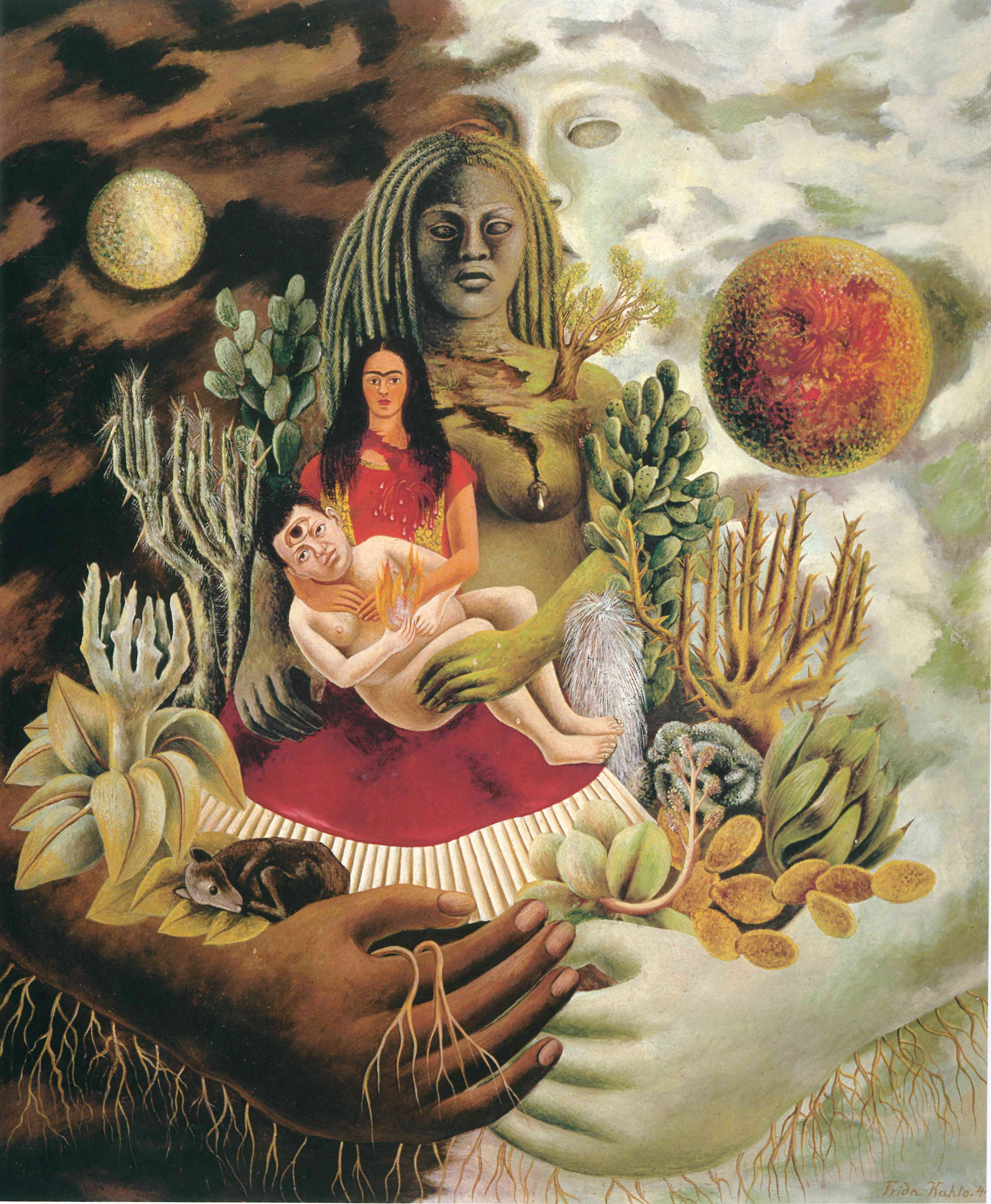
The Love Embrace of the Universe (1949)
FINE ART IMAGES/HERITAGE IMAGES/GETTY IMAGES
The Mexican government has responded to the present controversy by announcing that part of the collection will be temporarily exhibited in Mexico City this spring, as the first stop on an international tour.