
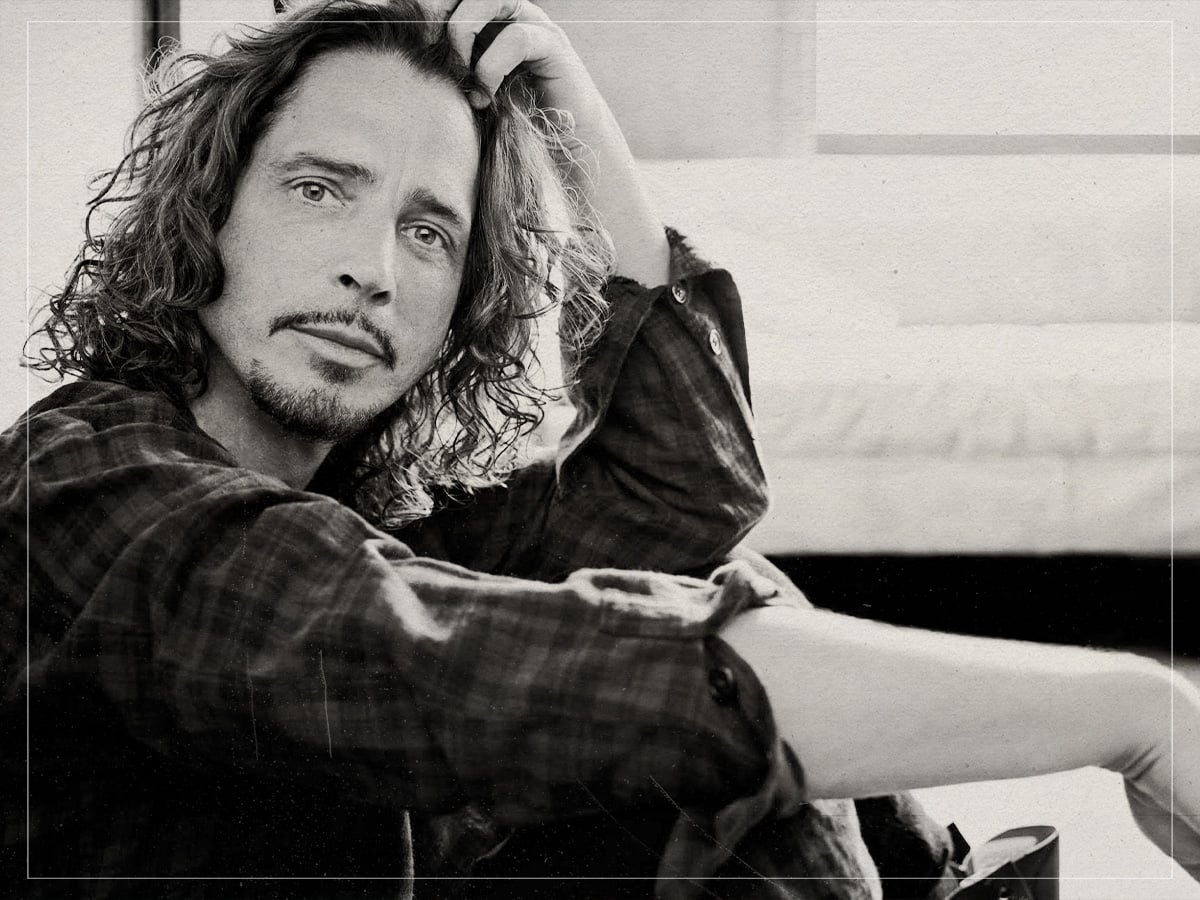
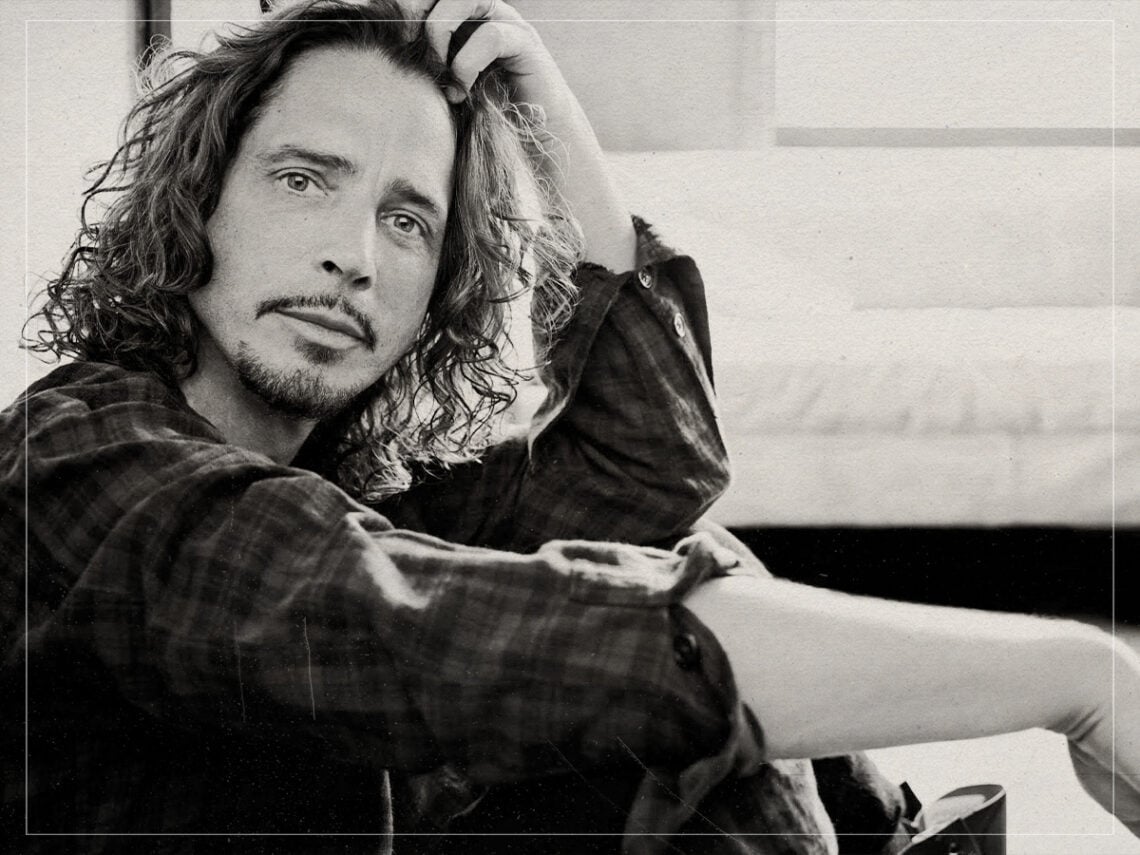
(Credits: Far Out / Chris Cornell)
Wed 11 February 2026 22:49, UK
The entire music world looks much different from what Chris Cornell was born into back in the day.
There wasn’t a right time or place for Soundgarden to surface, but even if they were lumped in with the rest of the grunge bands coming out of Seattle, Cornell was something different when he stepped up to the microphone. Here was someone who could give every single rock and roll singer a run for their money, but he was more interested in delving into the nitty-gritty of what rock and roll could be.
If you look at what the band was doing on their first few records, you wouldn’t necessarily call what they are doing grunge. It was definitely underground music when they put out Ultramega OK, but a lot of the greatest moments on Loud Love and Badmotorfinger bordered on traditional hard rock and even metal in a few places. That is, until you actually bothered to start learning what they were doing.
Compared to the out-there songwriting that Kurt Cobain was used to working with, Soundgarden threw out every single rule in the book when working on their songs. They wanted to experiment the same way that Led Zeppelin had back in the day, and a lot of their best songs usually don’t follow the convention 4/4 structure or have the kind of chords that most kids pick up on during their first guitar lesson.
Even on their breakout album, Superunknown, there’s hardly any song on the record that is both in standard tuning and isn’t in an odd time signature. That was all by design in many respects, but as the 1990s slowly dwindled away, Cornell started to notice more and more people focusing on the superficial side of rock and roll. It was all about the pure power behind someone’s voice, and when shows like American Idol debuted, Cornell realised that the record industry had made a big mistake.
That’s not to say that people like Kelly Clarkson and Carrie Underwood don’t deserve every bit of their success, either. They are both powerhouses in their field, but even as a fellow powerhouse vocalist, Cornell felt that people were listening to music for the wrong reasons. It had become more about the voice rather than the actual person behind it, and The Voice felt like one of the worst by-products of that.
It’s one thing to see the person singing, but having a show that’s based on a panel of judges judging one voice never sat well with him, saying, “[A television show like ‘The Voice’] has completely taken the focus off of creativity. It’s all how you present yourself. And the outside judgment of what someone’s creative process is? It’s just ludicrous and the opposite of what rock music is certainly. … The first foot forward in writing a rock song is rejecting popular thought.”
Shows like that might have a particular standard for what they’re looking for in a singer, but it’s also going against what the typical legends normally sound like. Not everyone was buying a Bob Dylan record or a Joni Mitchell album looking to hear some of the greatest vocal acrobatics ever put to tape, but that didn’t matter so long as they could hear one person’s story, which doesn’t always happen when singers win that coveted trophy at the end of the show.
The idea of manufacturing pop stars is certainly enticing for networks that only want the bottom line, but the ones who are going to stick around aren’t focused on making it to the next week on a show. They’re focused on writing something that matters, and people who sing with heart are going to be remembered far more than a singer who has a showstopping voice on every single track.