
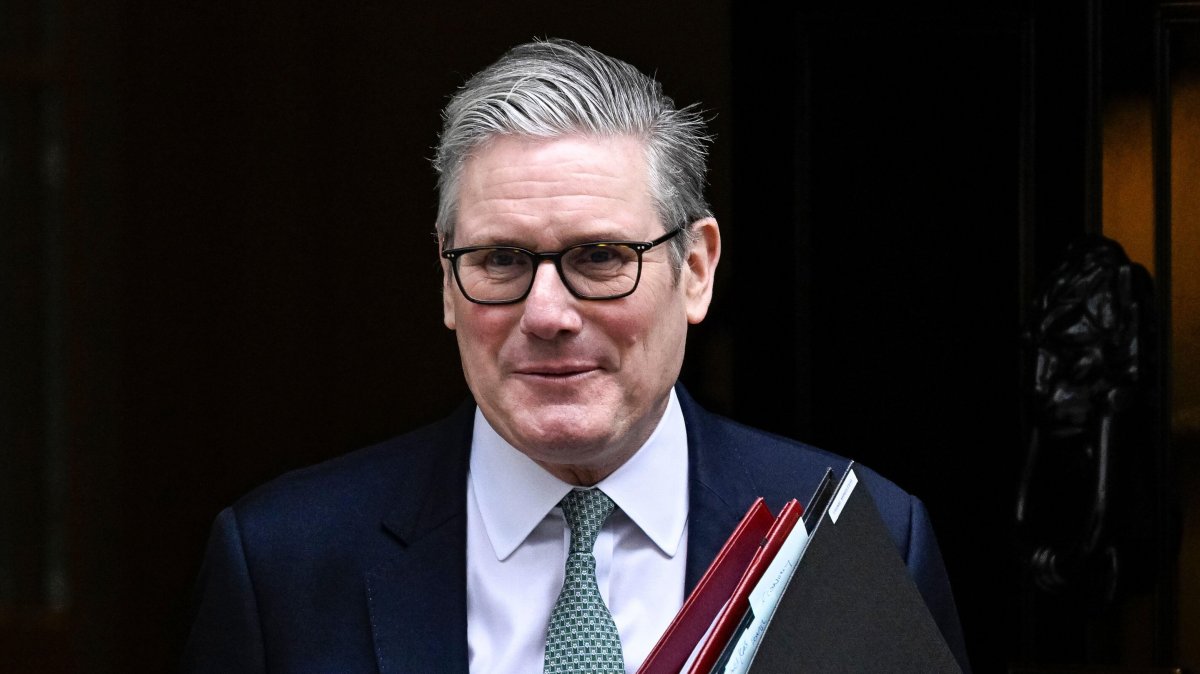
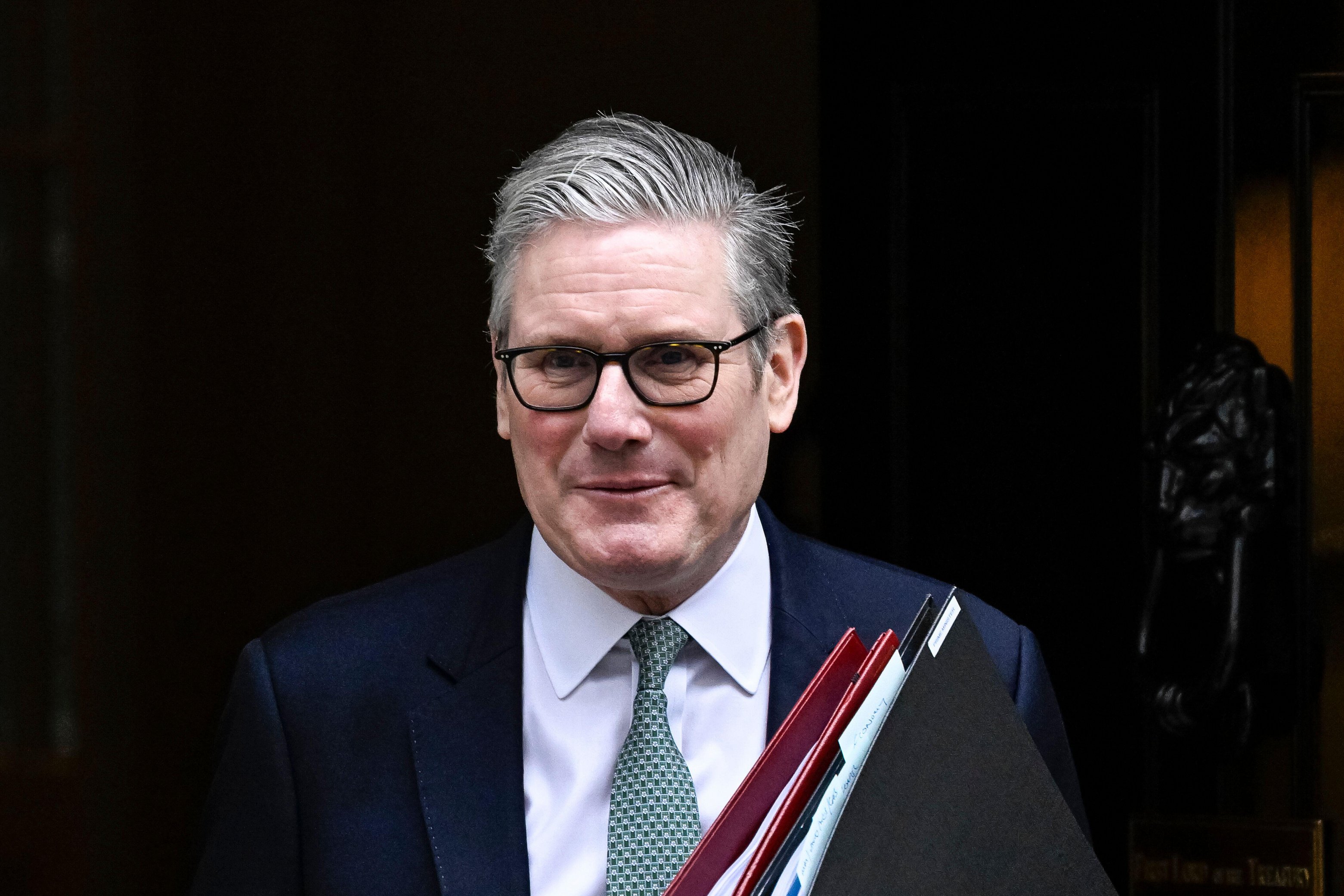
Sir Keir Starmer may now be a lame duck prime minister, but it is not clear who would succeed him
STEPHEN CHUNG/ALAMY
An ever-rotating cast of leaders; a perilous national debt pile; scandal after scandal; grave political misjudgments. Were these to be said of France or Italy, few would blink. But the fact that this now describes Britain underscores how mired in malaise the country has become. There is a pervasive sense of ungovernability — that the challenges are intractable and the current crop of politicians are not up to tackling them. This is especially true of the UK’s economy and its fragile fiscal situation that is overly reliant on “the kindness of strangers”, in the infamous words of Mark Carney, then the Bank of England governor.
Sir Keir Starmer may now be a lame duck prime minister, but it is unclear what the contest to succeed him will look like. It is likely, however, that whoever replaces him, they will be of a more left-wing flavour, especially on the economy. Andy Burnham, the Greater Manchester mayor, has argued that Britain is too “in hock to the bond markets” and believes the government needs to borrow more. Angela Rayner, the former deputy prime minister, and Ed Miliband, the energy secretary, have echoed this argument for a shift leftwards. Were any of these individuals to become prime minister, the markets may have something negative to say about it.
• Will Keir Starmer resign — and who could replace him?
The UK’s public finances are in a poor state. Public sector net debt is hovering just below 100 per cent of GDP. Thanks to a series of fiscal shocks — notably the pandemic — the UK has endured sustained high levels of inflation. The result is that last year £105 billion was spent on debt interest, more than the combined budget for defence and the police. Some of this has been due to successive chancellors issuing large numbers of index-linked gilts (government debt), which have left the UK particularly exposed. Until the cost of borrowing is brought down, there is a danger that the UK remains trapped in a doom loop.
The markets are worried about fiscal irresponsibility on the part of the government, hence the jitters on the UK’s borrowing costs almost every time Westminster mutterings emerge about a leadership challenge. On Monday, when it appeared that Sir Keir may be about to fall, bond yields ticked higher. After the cabinet’s rally around Sir Keir, a modest rebound in UK assets ensued. The markets would prefer him to remain prime minister, even if some of his colleagues are less sure. Investors crave governing stability and continuity. It is likely they will closely watch the results of the impending Gorton & Denton by-election, the next crisis point for Sir Keir.
The reality is that Britain is in desperate need of a political leader who will be honest about the economy. It requires someone who is willing to make the case that we are spending too much. The state is simply too large, particularly the welfare bill, and the burdens on businesses of all sizes are too great. There is an appetite for change: the latest British Social Attitudes survey shows that support for cutting taxes and spending is at its highest level since records began in 1983. The survey also reported that there had been a rise in support for those opposed to ever-higher welfare spending. It is proof that politics is thermostatic: voters are reacting against what the government is doing. In this sense, politics is out of step with the public.
So far Kemi Badenoch, the leader of the opposition, is the only politician who has begun to speak about this challenge. Just as David Cameron did in the run-up to the 2010 election, the Tory leader must be brave in making the case that the state must shrink and spending cuts are essential to reduce debt and kick-start economic growth. Until then, the costs of borrowing will remain high and the kindness of strangers who own our debt will be in danger of running out. If Labour switches out Sir Keir for someone more left-wing who borrows more, we cannot say we haven’t been warned.