
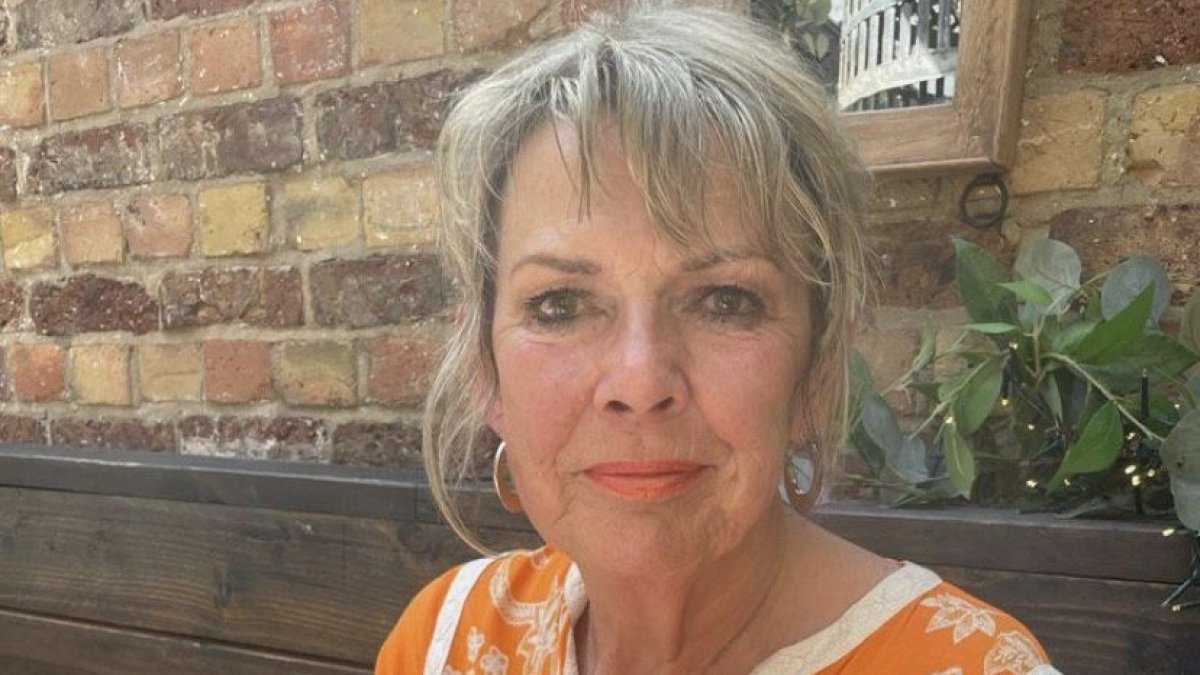
Serena Laidlaw is trying to sell her flat before cladding remediation begins on her building
Serena Laidlaw, 72, feels as though she has been “hoodwinked”, after the management fees on her leasehold flat have more than tripled in the past 10 years.
The pensioner moved into the property just outside of Brighton in 2014, having never owned a leasehold before and bought her one-bedroom flat for £172,000.
At first her ground rent was £150 per year, and she says she was told by her conveyancer at the time that this would remain static. However, Serena is now paying £300 a year.
New FeatureIn ShortQuick Stories. Same trusted journalism.
Serena’s management fees have also soared, rising from £80 a month when she first moved in to now just shy of £400 a month – a 400 per cent increase.
“I’m 72 years old on a small state pension of around £8,000 a year and I can’t afford all these costs plus I want to go and live nearer to my family. I have had to give up all sorts of things I enjoy like going to yoga and choir classes. I can’t afford anything now,” she said.
A leasehold deal is a type of ownership where the leaseholder owns the property for a fixed period as part of a legal agreement with the freeholder.
There are an estimated 3.8 million leasehold properties across England and Wales which pay ground rent charges for the right to occupy a property through a lease for a limited number of years.
Last month, the Labour Government announced millions of leaseholders across England and Wales will have their ground rent capped at £250 a year from 2028.
Serena has been trying to sell her home on and off for the past three years, so she can move to be closer to her family.
However, she has had no luck as the building was found to have unsafe cladding after an inspection, spurred on by the Grenfell tower fire in 2017. The building is due to have remediation cladding done this year.
Cladding is the outer layer of a building and if made from combustible materials can be very flammable.
After the Grenfell fire, the government set up the Building Safety Programme to identify and offer remediation for buildings with unsafe cladding.
Serena said: “Any interest I have had falls through because once we were told we had inflammatory cladding, none of the lenders would lend for mortgages.
“I only have a small window left to sell the flat before the scaffolding goes up. If not, I’m stuck until 2028, but time is precious for me now and I want to get back to live near family.”
Originally, Serena was asking for offers over £200,000 on her flat but due to the dwindling interest has now reduced it to £190,000.
She added: “I’m worried sick about having to pay the management fees for the next two and a half years, if I don’t sell. I feel trapped beyond words and very down and desperate about it all.”