
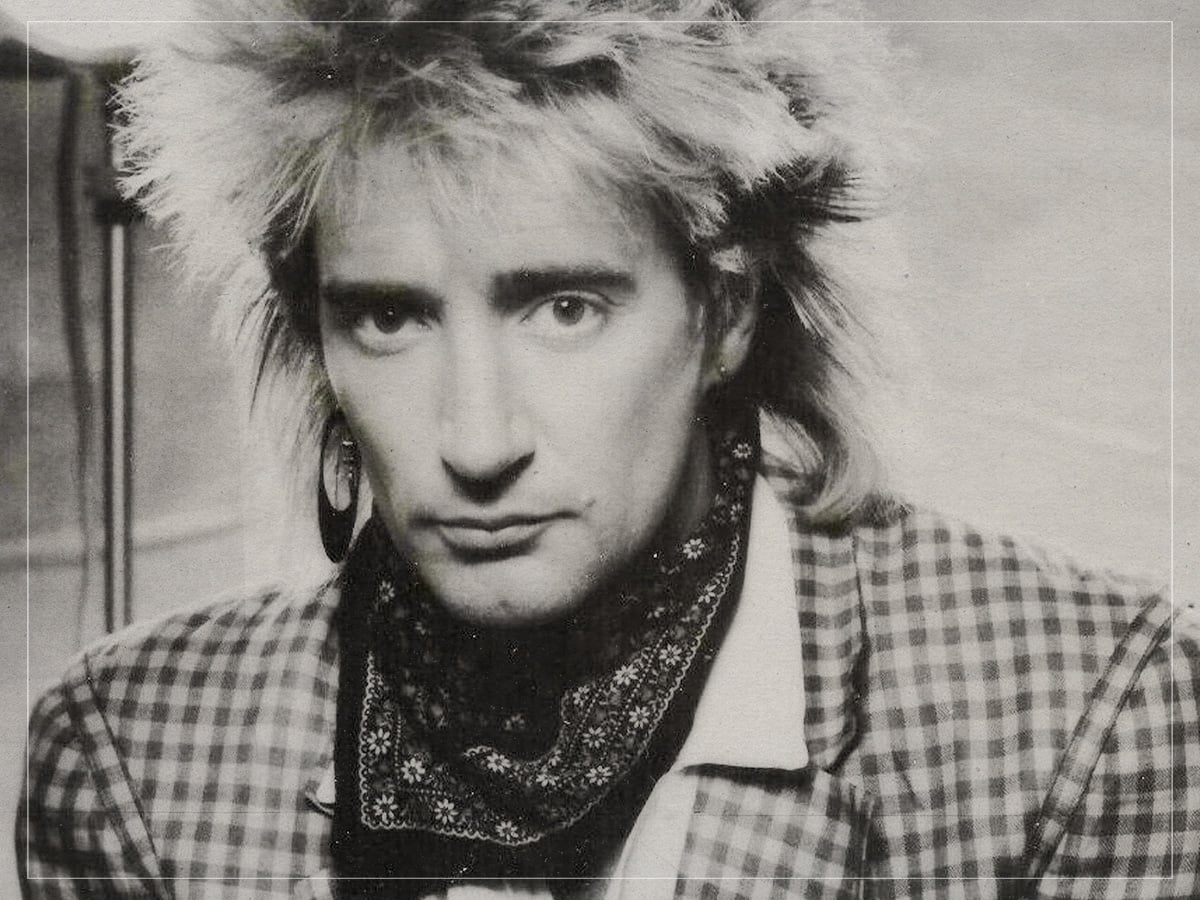
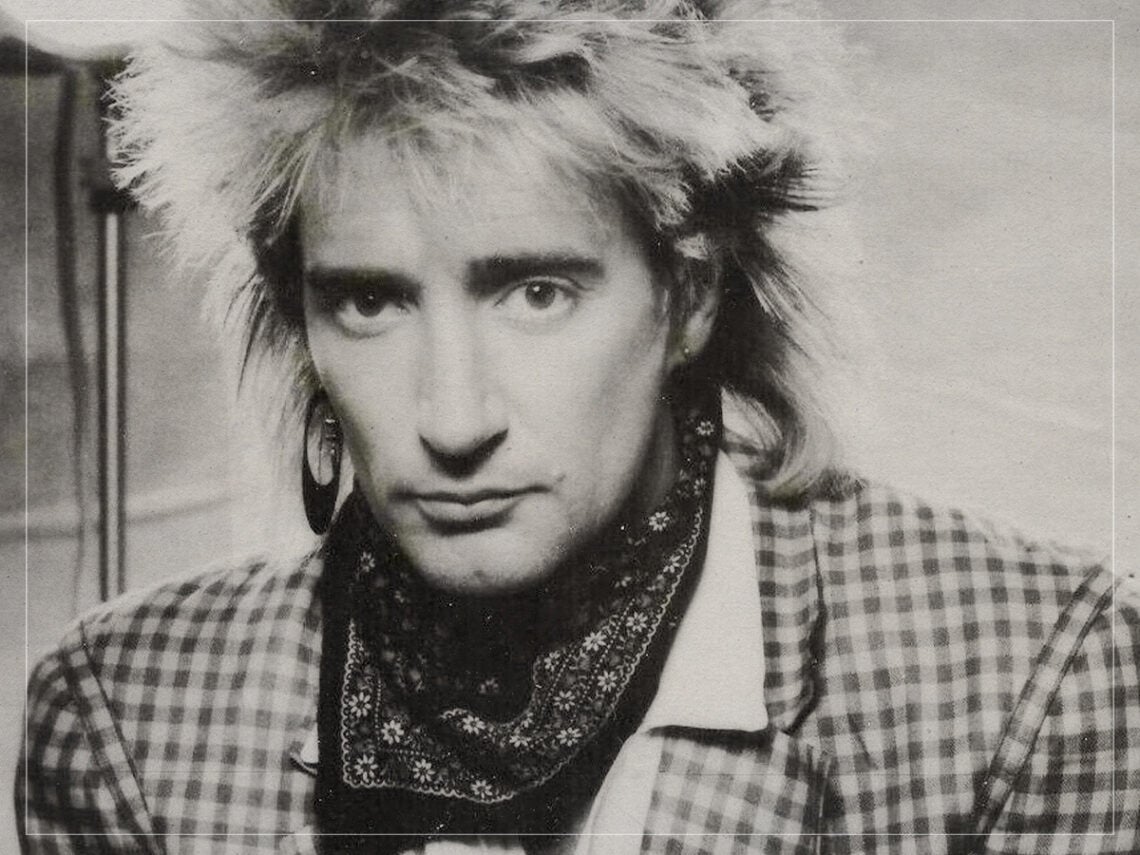
(Credits: Far Out / Warner Bros. Records)
Thu 12 February 2026 8:15, UK
Think about the swashbuckling presence of Rod Stewart, and it is extremely difficult to imagine the blonde-mopped man feeling any kind of pressure except when kicking the tyre of a new motor he is hoping to buy.
Stewart is a divisive name in the music world. For some, he represents implicit style and a nonchalance that only comes with a sense of self that very few can muster. For others, he represents an area of rock and roll that will make their skin crawl like a million spiders have put on leopard skin jumpsuits and begun to croon cruise ship numbers. But, one thing every can agree on is that Rod Stewart seems impervious to stage fright.
But, the truth is, no musician is safe from having a bit of nerves when walking out onstage. Even if you’ve sung a song a hundred times and know every single trick up the band’s sleeve, it does get a little bit tense minutes before a show when you need to collect your thoughts and get ready to tear the roof off the place. Rod Stewart knew that kind of pressure all too well, but when it came to putting the final vocal on the tune ‘Sailing’, he was absolutely mortified.
Then again, this was years after Stewart had proven himself as one of the greatest blues singers in the world. The Faces had given the rock scene some stone-cold classics like ‘Stay With Me’, and even if he didn’t have the cleanest voice anyone had ever heard, Stewart’s signature rasp got him most of the way there every time he laid down one of his vocals.
It’s not like he couldn’t do ballads, either. The acoustic flavour of ‘Maggie May’ is still one of his most beloved tunes, and if we just ignore the atrocities present on ‘Do Ya Think I’m Sexy’, ‘Forever Young’ proved that he could still work alongside synthesisers as long as he had the right idea.
 (Credits: Far Out / Allan Warren)
But ‘Sailing’ marked a different piece of Stewart’s career. Rock was still well into the decade of excess in 1975, and it wasn’t out of the question for people to be snorting lines off of the mixing desk if they needed some inspiration. For Stewart, though, this was the first session he recorded completely dry.
While he normally had to get a drink in him before he laid down any of his vocals, the idea of him going up to the microphone completely sober was one of the biggest fears of his life, saying, “I need a drink to calm the old nerves.’ I was stuffed, because there was nothing to be had anywhere, and I was terrified to sing without one. But I did and it turned out to be one of the biggest ones I ever made.”
The track would become one of the best-selling and most beloved songs of Stewart’s setlist. Decades later, he is still pushed (with very little effort) to sing the track and give the audience their own shot at swaying in the presence of the singer.
Even though Stewart might deliver the goods better with a little bit of booze, he may benefit from singing sober more often, considering his performance here. There’s no denying the power behind his other classics, but there’s a certain purity that comes through in this tune that’s far better suited to his naked vocal.
There are even a few moments in the song that hint at where Stewart would go in the future. It’s still firmly in rock and roll ballad territory, but given a few of his vocal inflexions, this may have primed his pipes for his future of seeing the kind of wistful standards that he would get up to later in life.
While that kind of vocal style is a long way away from the Robert Plants of the world, that didn’t mean that it was bad by any stretch. Stewart could still holler when he wanted to, but the true measure of a great singer is being able to turn the grit on and off at the drop of a hat.