

John O’Dowd said the rise reflects “the cost of living pressures felt by households”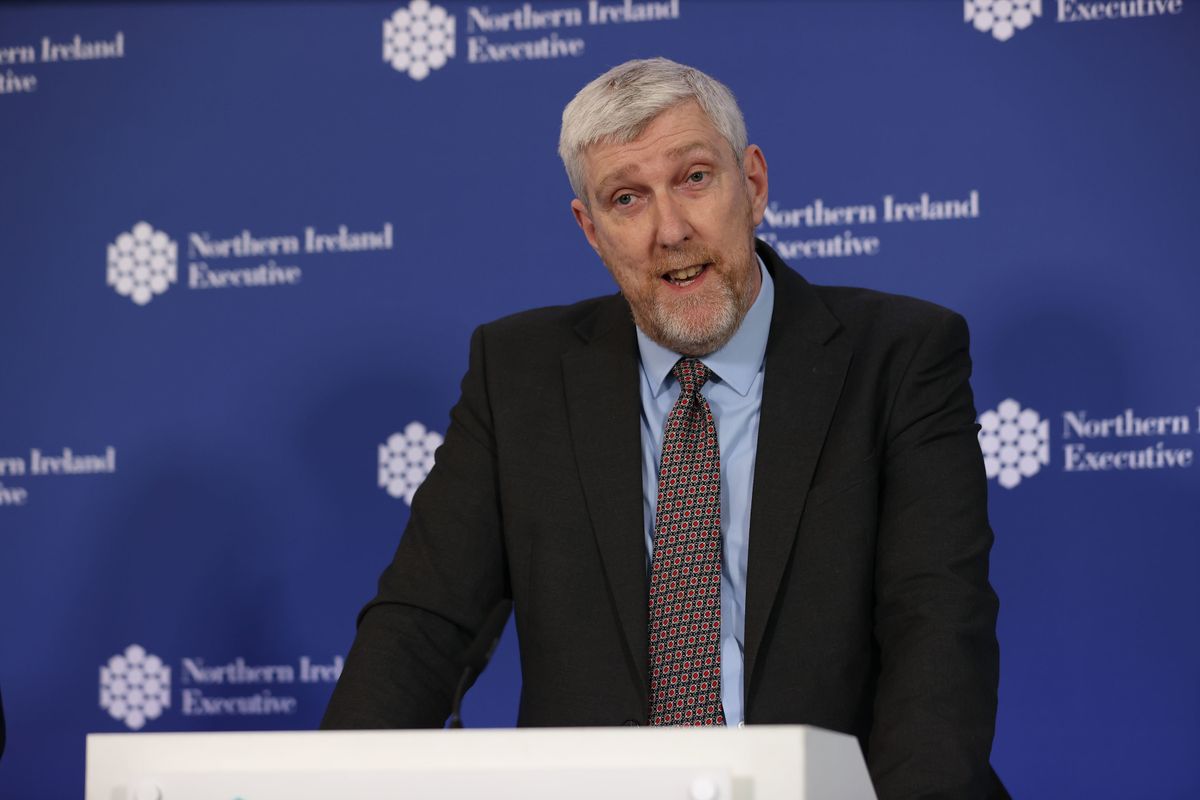
Finance Minister John O’Dowd (Image: Liam McBurney/PA Wire)
The Executive has agreed the Regional Rate for domestic and non-domestic properties for 2026/27, which will take the same approach as the current financial year.
Ministers have agreed to implement a rise of 5.0 per cent for domestic properties and an increase of 3.0% for non-domestic properties, which will add £32.76 to homes with an average capital value of £123,000. This is seperate from the increases in the disctrict rate which are currently being agreed by councils.
The average capital value of a domestic property is different from the market value. The valuations used in the Domestic Valuation List are based on the value of 1st January 2005, and the rate of inflation figures available at the time of the Executive’s decision was 3.4 per cent, using the December CPI figure published on 21 January 2026.
This comes after Finance Minister John O’Dowd recently halted the “Reval 2026” process for business rates following a backlash from the hospitality sector. This means that while the rate is going up by 3 per cent, the underlying valuations for businesses will not be updated as originally planned for this cycle.
Minister O’Dowd said: “Rates currently raise over £1.6billion annually, providing vital funding for our hospitals, childcare, schools, and other essential council services that support our communities. The regional rate agreed today will raise just over £900million for the Executive for the 2026/27 year.
“With many households still feeling the pressure of rising living costs, and businesses facing increased costs, the Executive has aimed to strike a balance between raising the revenue required to support essential public services and protecting workers, families and businesses from unnecessary financial strain.”
The Minister continued: “The Executive’s decision to keep the domestic uplift at the same level as last year is a recognition of the cost-of-living pressures felt by households. Keeping the non-domestic rate below the current rate of inflation reflects the pressures facing local businesses and their vital role in supporting jobs in our local communities and driving local growth.
“Domestic ratepayers have access to a targeted, means‑tested package of help that serves to provide support for low-income households. 75 per cent of non‑domestic properties benefit from rate relief, offering around a quarter of a billion pounds in much‑needed support.”
The Minister concluded: “These uplifts, to be debated in the Assembly in March, would generate an additional £47million of funding power during 2026/27, compared to Budget 2025-26, for our vital public services that our citizens and businesses rely on.”
For all the latest news, visit the Belfast Live homepage here and sign up to our politics newsletter here.