
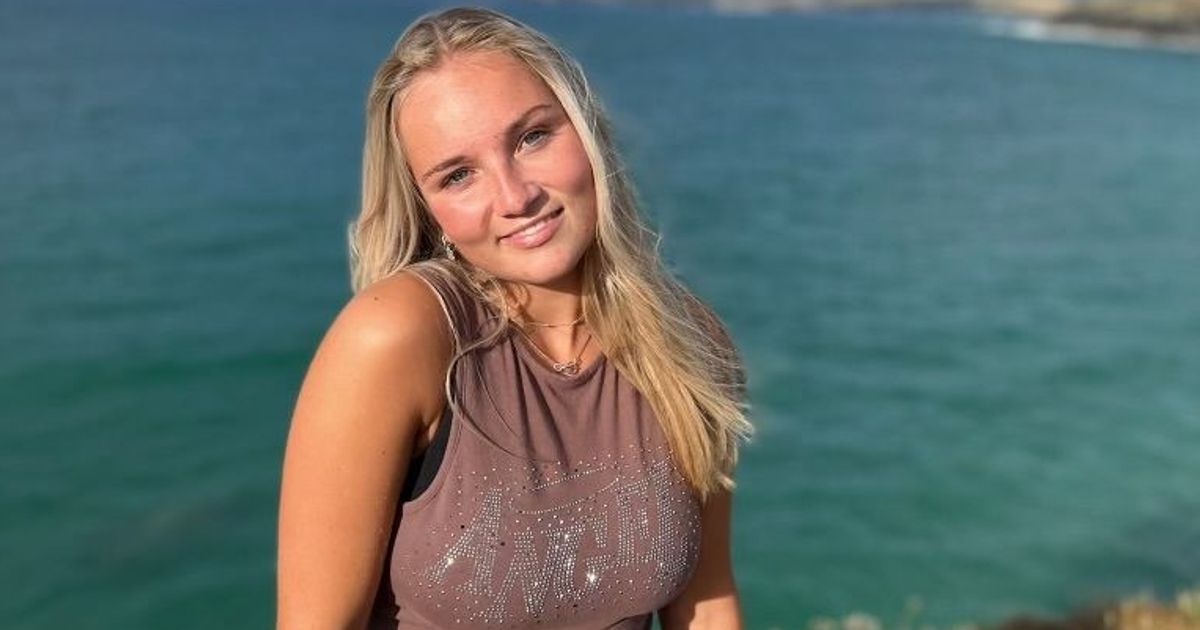
Emily Rose Browning was a hugely popular teacher whose ‘kindness, passion, and dedication left a lasting impact on every child, colleague, and parent who had the privilege of knowing her’
16:52, 12 Feb 2026Updated 19:30, 12 Feb 2026
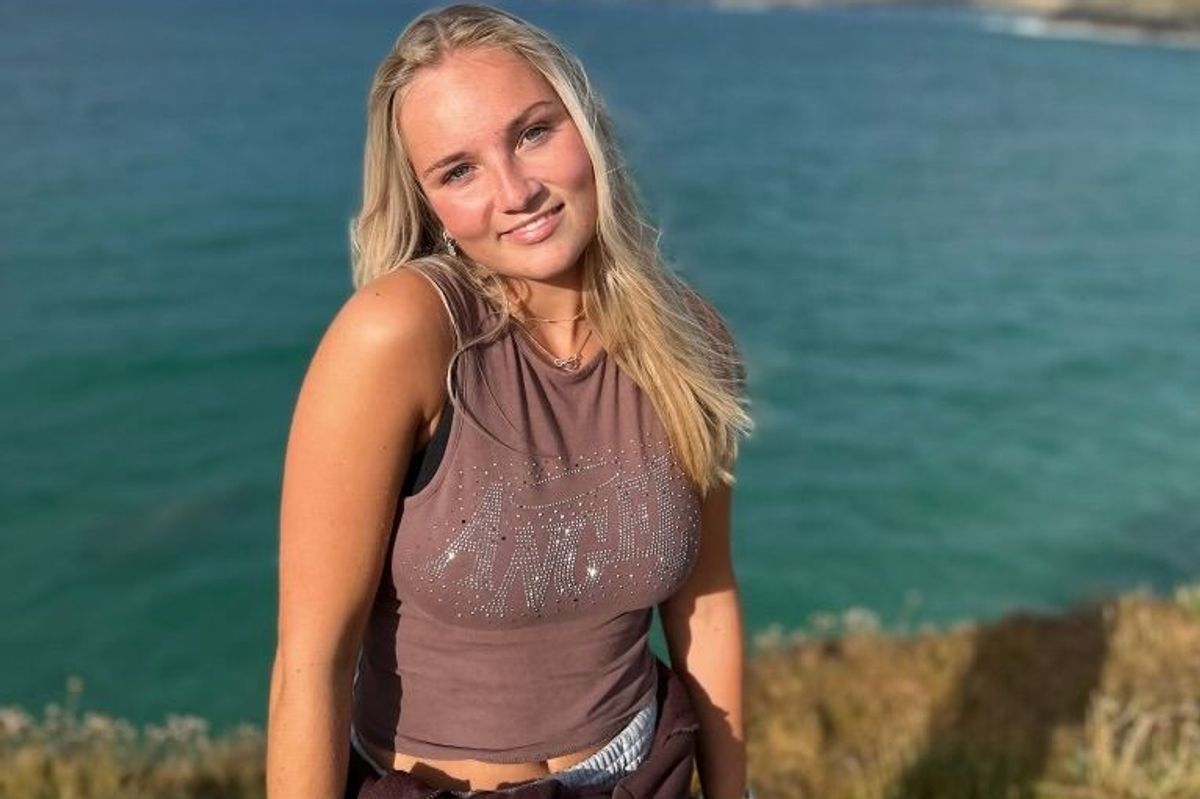
Emily Rose Browning suffered a cardiac arrest after a night out (Image: Family handout)
The death of a “kind” and “caring” young teacher was related to alcohol and cocaine, an inquest has found. Emily Rose Browning, who taught at Gladstone Primary School in Cardiff, suffered a cardiac arrest following a night out.
Pontypridd coroners’ court heard the much-loved 24-year-old, who had no significant health conditions, was socialising with friends on the night of December 7, 2024, first at home and then in Cardiff city centre. Coroner Graeme Hughes said: “During this time she has consumed alcohol and cocaine.
“She became intermittently unwell, and friends did have some concerns for her welfare. She and her boyfriend returned home and she went to bed. After he returned home a short while later, she was found on the floor of the bedroom.”
The coroner said Ms Browning had likely aspirated vomit, meaning it had gone into her lungs. Emergency services were called and she was rushed to the University Hospital of Wales.
She did not regain consciousness and died at the hospital on December 10. Mr Hughes recorded a conclusion of alcohol- and drug-related death.
He said Ms Browning had likely died due to the “intoxicating effects of alcohol and illicit drug use, leading to aspiration of vomit, cardiac arrest and a devastating hypoxic brain injury”.
The medical cause of death was given as a brain injury linked to oxygen deprivation, with underlying causes of aspiration and acute alcohol and cocaine intoxication.
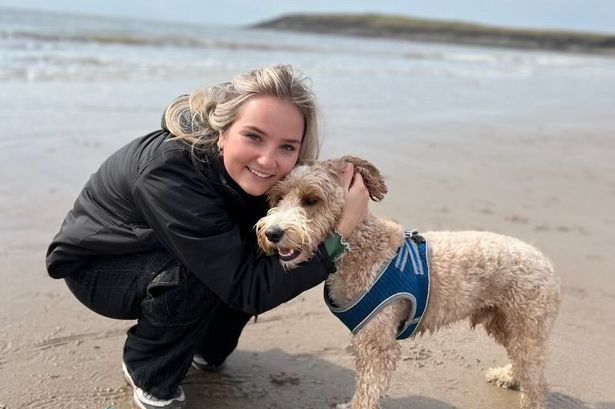
Emily Rose Browning(Image: Family handout)
Bath-born Ms Browning, who lived in Pontcanna, was “a kind, caring, beautiful young lady who lived life to the full”, in the words of a social media page set up by loved ones in her memory.
Her boyfriend Jack Weston paid a moving tribute last year, telling WalesOnline: “There was something a bit different about her – the way she had such a carefree attitude. It meant you’d just respect the way she just enjoyed being herself. She had this very distinctive personality and lived life to the absolute max.
“She had what her dad calls the Ems effect, which was just that lasting impression on everyone she met, always putting a smile on people’s faces. She wasn’t not the centre of attention, but you always knew she was there and that was just something that I miss so dearly.”
Ms Browning grew up in Midsomer Norton, Somerset, before moving to Cardiff for university, achieving a first in her criminology degree and psychology master’s.
After showing an interest in educational psychology and working with children during her master’s course, Emily decided to become a primary school teacher.
Mr Weston, a doctor, said: “She was always so great with kids but when she started her PGCE, she just fell in love with the job and we worked so hard together to try and get her a permanent job.
“She originally started as a supply teacher because she wanted to work in a few different schools and sort of get an idea of what year she wanted to work with. After that first year, we were trying to get her a permanent position, and I think she had about 10 or 12 interviews as the competition is so tough at the moment.
“I remember I’d spend hours with her, practising interview questions and trying to get the job and when she finally found out that she got this job as a permanent member of staff at Gladstone Primary, I cannot tell you how proud I was.
“She was so chuffed that she was gonna have her own classroom and make it her own. She had so many ideas for displays… I went to see the head teacher Paula a few months ago, and the classroom was exactly how Emily made it with all the stuff that she put into it.”
He added that “there isn’t a moment that goes by” when he doesn’t think about Emily. “I think about her from the minute I wake up, to the minute I go to bed,” he said.
“My life was completely mapped out with Em. We were talking about getting engaged within the next year or so and she was definitely the one. So to have it completely turned on its head has been incredibly tough.”
Along with Ms Browning’s family, Mr Weston set up a Gofundme page that raised £40,000 to create a memorial garden at her school. Many touching memories have been shared on the page by loved ones.
In a joint statement last year, Ms Browning’s sister Katie, mum Jackie and dad Rob said she was “a fit and healthy 24-year-old who enjoyed life to the full” before being “suddenly and tragically taken from us”.
“We are very grateful to Jack for setting up this foundation in her name and are extremely overwhelmed with all the donations and touched by the everyone’s response,” they said.
A tribute from the school in Cathays stated: “Emily was a beloved teacher at Gladstone Primary School and her kindness, passion, and dedication left a lasting impact on every child, colleague, and parent who had the privilege of knowing her.
“To honour her memory and through the generous fundraising efforts of Emily’s friends and family, we aim to create a memorial garden.
“Capturing Emily’s values of nurturing curiosity, creativity, and wellbeing in every learner, children will be able to enjoy a space for reflection, joy, and growth, where they can learn through outdoor experiences and find peace and inspiration.”
Why we cover inquests – and why it’s so important that we do
As painful as these proceedings are for those who have lost a loved one the lessons that can be learned from inquests can go a long way to saving others’ lives.
The press has a legal right to attend inquests and has a responsibility to report on them as part of their duty to uphold the principle of open justice.
It’s a journalist’s duty to make sure the public understands the reasons why someone has died and to make sure their deaths are not kept secret. An inquest report can also clear up any rumours or suspicion surrounding a person’s death.
But, most importantly of all, an inquest report can draw attention to circumstances which may stop further deaths from happening.
Should journalists shy away from attending inquests then an entire arm of the judicial system is not held to account.
Inquests can often prompt a wider discussion on serious issues, the most recent of these being mental health and suicide.
Editors actively ask and encourage reporters to speak to the family and friends of a person who is the subject of an inquest. Their contributions help us create a clearer picture of the person who died and also provides the opportunity to pay tribute to their loved one.
Often families do not wish to speak to the press and of course that decision has to be respected. However, as has been seen by many powerful media campaigns, the input of a person’s family and friends can make all the difference in helping to save others.
Without the attendance of the press at inquests questions will remain unanswered and lives will be lost.
Get daily breaking news updates on your phone by joining our WhatsApp community here. We occasionally treat members to special offers, promotions and ads from us and our partners. See our Privacy Notice.