
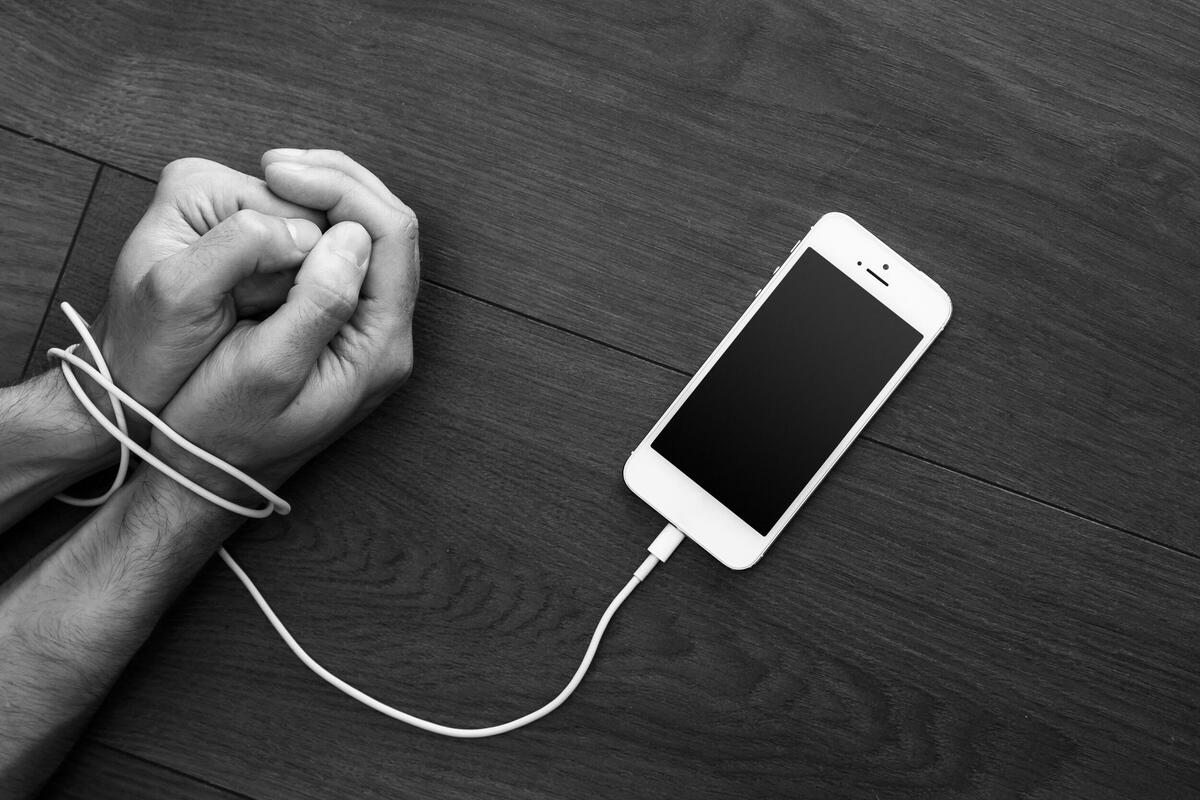
Illustration, Photo: Shutterstock

03.08.2025. 16:57h
We spend 4 hours and 37 minutes on our phones every day, checking them an average of 58 times. We like to tell ourselves it’s for socializing, work, or reading the news. But most of us are addicted – and we know it.
Smartphone addiction is becoming increasingly widespread, as confirmed by numerous studies conducted in different countries and among all age groups. In one survey in the US, as many as 57 percent of respondents admitted to being addicted to their devices.
Here (in English) You can test whether you are addicted to your smartphone.
Health consequences: from insomnia to anxiety
Phone addiction is linked to a number of health problems: sleep disorders, eyestrain, neck and back pain. It can also contribute to depression, anxiety, feelings of loneliness, and problems with attention and memory – especially in adolescents.
Research shows that people addicted to smartphones often become impatient quickly, are more likely to be socially isolated, and feel lost when their phone is not at hand.
“There is evidence that problematic smartphone use negatively impacts many people’s lives. There are links between such use and symptoms of impaired mental health, such as depression and anxiety,” says Zahir Hussain, a sociologist at Nottingham Trent University in the UK.
Addiction can be both a cause and a consequence of mental health problems. That’s why overcoming it can help solve other problems as well.
“It’s hard to say whether smartphone addiction causes mental health problems – or whether they lead to addiction,” says Hussein. “That’s why it’s important to understand why someone became addicted in the first place.”
Non-substance addiction – like gambling or video games
Smartphone addiction has all the hallmarks of addiction – including craving, dependence, and withdrawal symptoms. It is similar to gambling or video game addiction in that it does not involve any substance, but uses the same “reward” mechanisms.
Apps and platforms are designed to keep users’ attention. Many people use their phones as an escape from stressful situations, as a tool to distract themselves from unpleasant thoughts and feelings.
People who want to beat smartphone addiction can have just as much difficulty as those who want to quit smoking — it’s an uphill battle.
Social media, boredom, or everyday habits can make you reach for your phone often without even realizing it.
Try multiple methods of quitting – at the same time
There is no universal solution for this type of addiction. Different approaches work for different people. All of this requires serious commitment. The scientific consensus is that the more different methods you apply simultaneously, the better your chances of breaking free from smartphone addiction in the long term.
Scientists recommend the following strategies:
Remove the phone from the bedroom or keep it out of reach at night
Leaving your phone in another room while working or studying
Turn on “do not disturb” and turn off sounds and vibrations for notifications
Set a black and white screen, remove social media apps from the home screen, use longer passwords
Install self-monitoring apps, like Space, Forest, Flipd, or Screentime, that limit usage and block distracting content
Scientific evidence: what really helps
One clinical trial tested a 10-step program that combined multiple approaches. The program used mild incentives to reduce the appeal of the phone and the number of cues that lead to impulsive use.
“The goal of these steps was to make using the phone less enjoyable, to add a small distraction, and to reduce the number of cues that pull us to constantly pick up the phone. The idea was to reduce problematic smartphone use – without relying solely on willpower,” explains Jay Olson, a psychologist specializing in addictions at the University of Toronto.
The program proved effective in the short term: program participants significantly reduced their phone use within six weeks.
However, Olson cautions, “We don’t have enough data on which methods remain effective over multiple years.”
Other research has shown that physical activity, especially in young people, significantly reduces addiction. Sports and exercise not only distract from the phone, but also reduce feelings of loneliness, anxiety and stress. Zahir Husein also emphasizes the importance of spending time in nature.
When to seek help
If you feel like your smartphone use is negatively affecting your mental health, relationships, or daily life, it may be time to seek professional help.
“Certain therapies have been shown to be very effective – such as mindfulness-based therapies and cognitive behavioral therapy,” Olson said.
Talk therapies offer concrete steps to break patterns of behavior and redefine your relationship with your phone. They help identify the causes of addiction and confront them on a deeper level.


News