
(Credits: Far Out / Alamy)
Thu 12 February 2026 23:00, UK
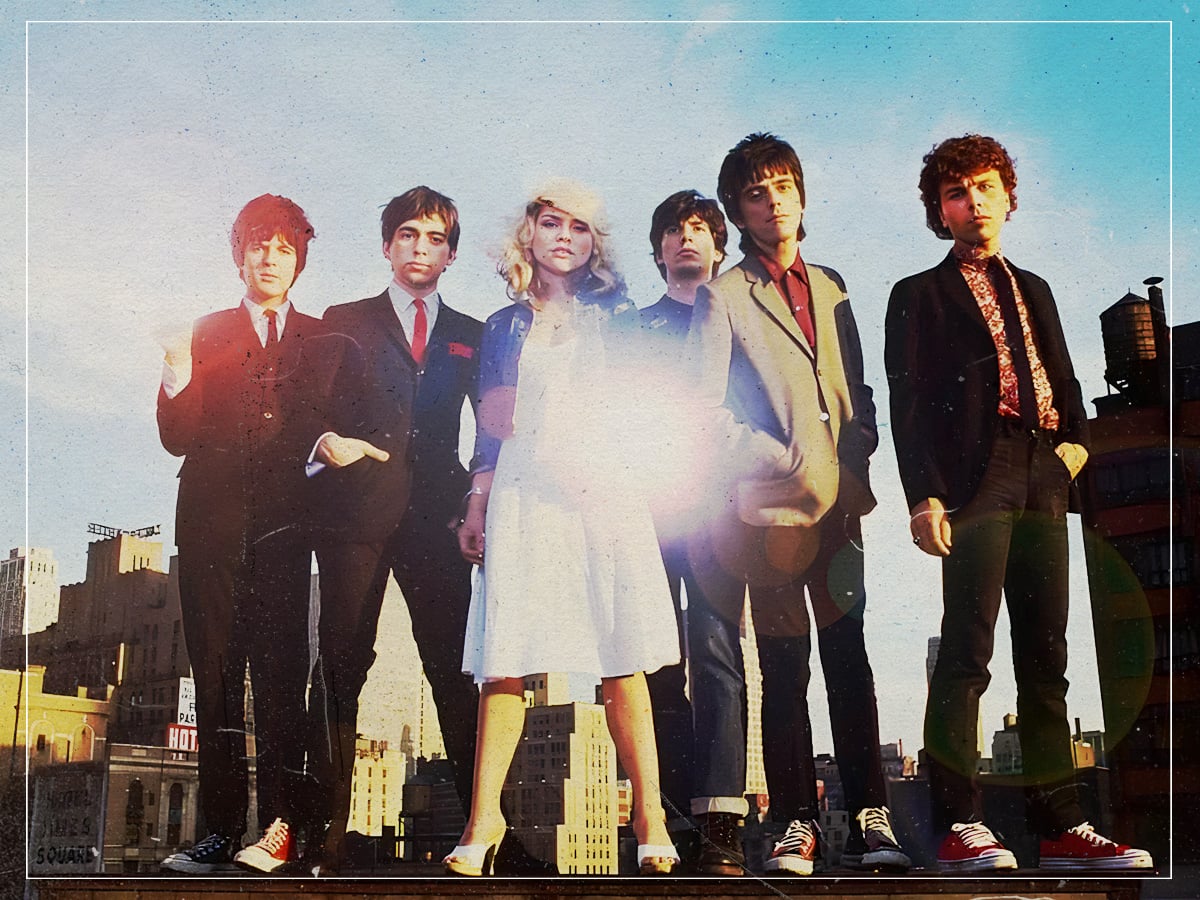
Of the CGBGs punk cohort, Talking Heads may have endured as the community’s most enduring and critically acclaimed band, but Blondie was their only real star.
Like everyone else in the so-called new wave, Blondie looked back at rock and pop’s yesteryear before the counterculture had curdled to classic rock’s parody and joyless prog indulgences, back to the time of bubblegum pop, early British invasion, and the recently ebbed glam all held together with punk’s urgent grit. Their immaculate gift for pop hooks saw them subsume the contemporary with the never-admitted-to nostalgia, soaking up scraps of disco and incipient electronic music to their piquant new wave brew.
To this day, 1978’s Parallel Lines is the biggest-selling album of any of the original New York punks. Blondie’s third album, which exploded off the back of ‘Heart of Glass’ and finally saw healthy unit shifts in their home country, pushed Blondie to the peaks of Billboard success, some of the CBGBs and Max’s Kansas City old guard bemoaning their sell-out race to the mainstream.
But Blondie didn’t care. They were always in love with pop, and such a happy marriage of underground edge and the Hot 100 saw them cruise through to the early 1980s as the unrivalled stars of the scene until a certain Talking Heads dropped their weird, preacher sermon number.
Punk was Blondie’s home, however. It’s impossible to imagine such a disparate mosaic of flavours could have spread its wings in any other era, the day’s fashion and attitude as essential as their intrepid musical grab bag. Such burnishing was made apparent back in 1979, when the band were featured on Andy Warhol’s famed Interview magazine. When asked which rock group deserved more recognition, guitarist Chris Stein quipped without hesitation.
“The Ramones,” Stein exclaimed. “I mean, come on, they were fucking brilliant, they should be up there today with The Beatles and The Stones!”
Few other bands sit in rock and pop’s periodic table with such elemental essentiality. While electronic provocateurs Suicide lay claim to the first use of the term punk, leathered Queens quartet the Ramones certainly can confidently stand as establishing the punk template, playing their sped-up garage schtick as early as 1974.
Despite what the Sex Pistols frontman John Lydon often bemoans, the Ramones indeed got there first, spinning their turbo rip rock and pop hooks at desperately needed odds with the decade’s rock slump floundering in overly serious, double-denimed dead ends, and before even their eponymous debut landed in April 1976, Joey, Johnny, Dee Dee, and Tommy Ramone all seemed to burn themselves into the rock landscape with their Schott Droog gang menace, remaining countercultural symbols until calling it a day in 1996.
It’s true that in 1979 Ramones were struggling to match cult popularity with commercial attention, but soldiering through the shifting rock terrain with their sound and integrity intact was all part of the Ramones mystique, and while reflecting on Ramones’ punk legacy, frontman Joey summed up the band and his personal ethos, “To me, punk is about being an individual and going against the grain and standing up and saying, ‘This is who I am.’”