
Warning: Some readers may find details in this story distressing. The Glasgow mum said she “begged for help”, as she bled before her 12-week scan.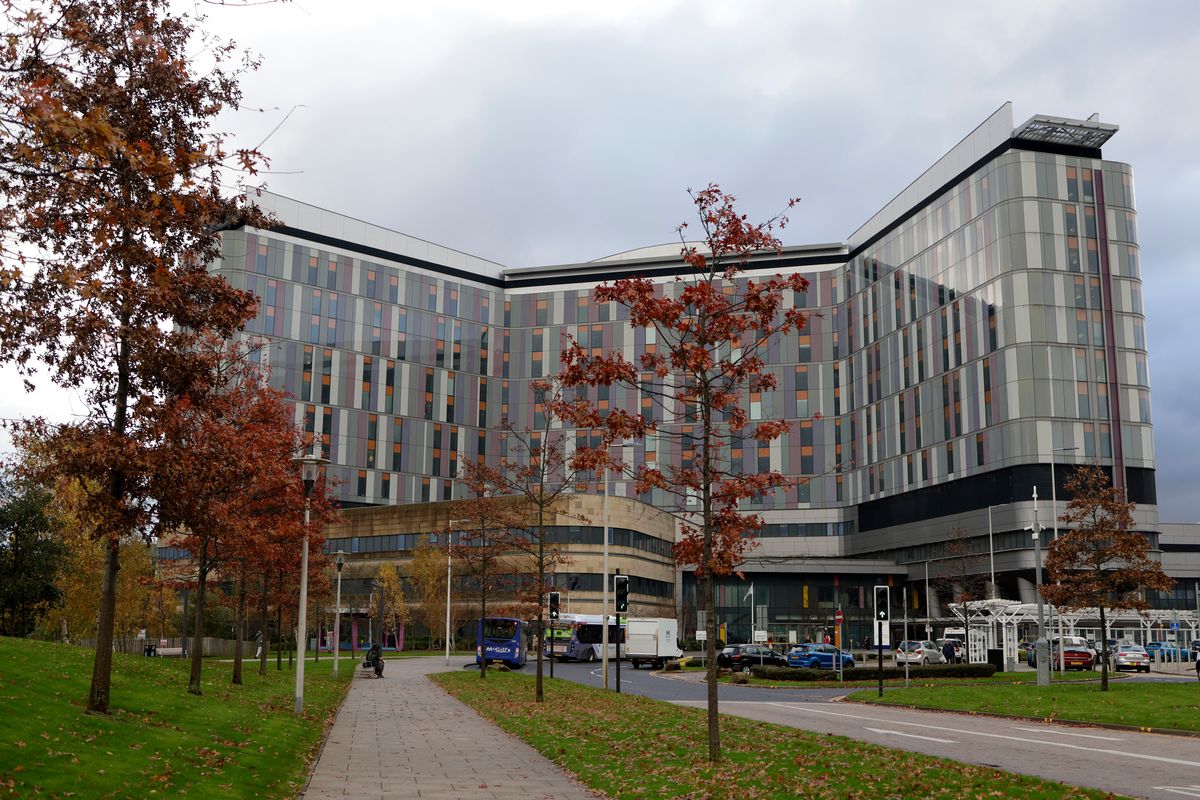
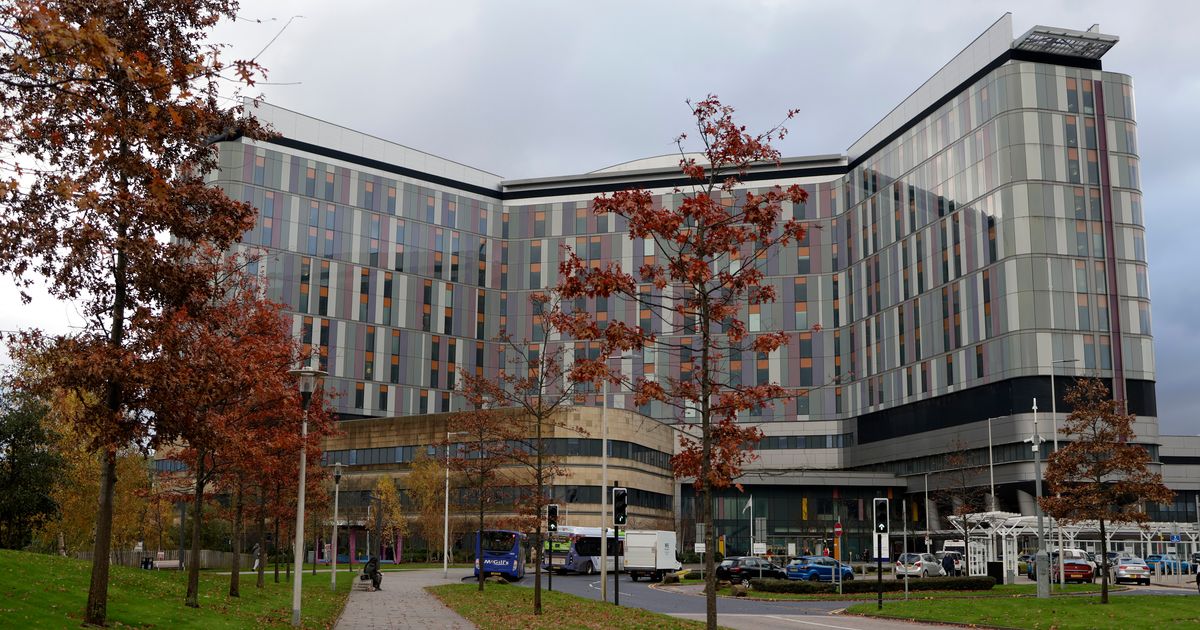
Queen Elizabeth University Hospital in Glasgow
A Glasgow mum believes “medical negligence” contributed to her traumatic miscarriage at home in her bathroom after presenting to the hospital with concerns amid previous health issues.
The mum from Glasgow – who wishes to remain anonymous – fell pregnant in November last year and everything appeared to be going well until she began to bleed. The 30-year-old contacted the Early Pregnancy Assessment Unit at the Queen Elizabeth University Hospital (QEUH) for advice and claims she was told that ‘some women bleed during pregnancy, it can be normal’.
Speaking to Glasgow Live, the mum shared that she suffers from heart disease and also has a benign brain tumour, as well as a blood condition which can cause her blood to clot more easily. In the past, she has undergone open heart surgery as well as brain surgery, which later required her receiving radiotherapy.
During her first pregnancy, the mum was classed “high-risk”, meaning she was monitored closely throughout the nine months. She believes her concerns this time around were continuously “dismissed” and “not taken seriously”.
After calling the unit for advice on multiple occasions, she was told to “just wait” for her 12-week scan as it wasn’t long away. She said: “I waited, with fear, pain, and blood, because I had no other choice.”
On February 4, the woman and her husband attended the 12-week scan and were relieved to see their baby who was “alive, active, moving and turning”. “It was beautiful,” she said. After being asked by the sonographer to empty her bladder for scan purposes, the 30-year-old noticed more bleeding and alerted a midwife but was allegedly told that a miscarriage at 12 weeks was ‘impossible’.
The woman raised concerns about her health conditions and enquired if she should see a specialist. The midwife is said to have put in a referral and congratulated the couple on their “healthy, active baby”.
The mum and dad felt “instant relief” and headed home “excited to share the news with family and friends”.
Speaking to Glasgow Live, she said: “I left feeling foolish for worrying — but deep down, still uneasy. On our way home we bought cake, decorations and food for our announcement, we planned to tell family and friends that evening.
“But when I got home I was in a lot of pain and went for a lie down. We then had to cancel the celebration as I couldn’t get up, the pain was unbearable and I was still bleeding.”
During the early hours of February 5, the woman woke up crying out in pain and “soaked in blood”.
“I felt the urge to go to the toilet,” she said. “At first, I thought it was a clot, but my husband looked and confirmed the truth — it was our baby.
“I then fainted in the hall, in front of my young son – all I remember is him saying ‘mummy, wake up!’
“It was very traumatic”.
The woman’s husband helped deliver her placenta with assistance from a 999 operator. Paramedics soon arrived and the mum was rushed to the Queen Elizabeth University Hospital where she was taken to a room in the A&E department.
“I waited for hours, bleeding heavily, soaking through 8–9 pads,” she said. “The hospital bed was covered in blood.”
The family are waiting to bury their lost baby, “a child whose death may not have been preventable, but whose traumatic, dangerous delivery absolutely was”.
The woman is now sharing her story in the hopes that something like this does not happen again. She said: “No woman should ever be told to ‘just wait’ while bleeding and in pain. No woman should be reassured with false absolutes. No mother should have to deliver her baby alone on a bathroom floor.”
Calling on NHS Greater Glasgow and Clyde she added: “Please listen to women. Please trust our instincts. Please do better.”
A spokesperson for NHS Greater Glasgow and Clyde said: “While we are unable to comment on individual patients for reasons of confidentiality, we acknowledge the profound impact miscarriage and baby loss has on individuals and their families and would like to express our condolences to this patient and her family.
“The care this patient received will be reviewed in line with our complaints procedure and we will provide a response to the family about the concerns that have been raised.
“We recognise the emotional distress the patient is experiencing and our teams remain available to offer her and her family continued support in whatever way best meets their needs, including follow up meetings with specialists and referral to bereavement services.”