I’m writing this on what feels like the first dry day of the year so far. Given it’s taken six weeks for that to actually happen, the sense of spring being (nearly) in the air is particularly acute – suddenly I’ve noticed birds chirping, daffodils blooming and the daylight hours increasing.
There’s the sense that things are winding up in the bike world as well. The WorldTour season openers are done and dusted and very soon we’ll be into proper racing: the spring Classics. As such, this week web writer Robyn Davidson has published a definitive guide on the best races of the year (IMO). Look out for her guide on a not-so-good race – the UAE Tour – going live later today as well.
Product launches are starting to ramp up too, as staff writer Ewan Wilson will be able to tell you. He covered the launch of Basso’s new Palta III gravel bike this week and gave us an initial run down on how it rides to boot.
The tech side of the sport is still only just coming out of hibernation though, so there’s still been enough time to update some of our most popular guides. Best road bikes, best gravel bikes and our explainer on Shimano groupsets all got finessed, so be sure to cast an eye over the updates. Before you do that though, have a read about some of the latest gear to arrive with Cyclist courtesy of this week’s In the Drops product round-up.

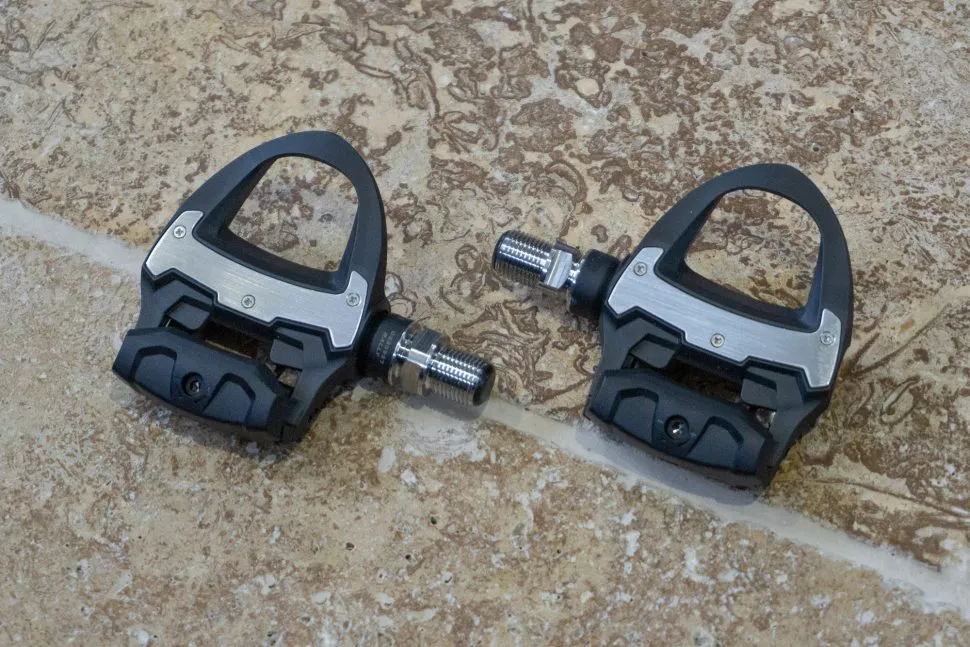
Garmin Rally RS210 pedals
 Sam Challis
Pedal-based power meters are unquestionably the best solutions for those seeking accurate power measurement across several bikes. Garmin has been in the market sector for almost 15 years now and has celebrated that fact by releasing its most accomplished models yet in the Rally 210 series.
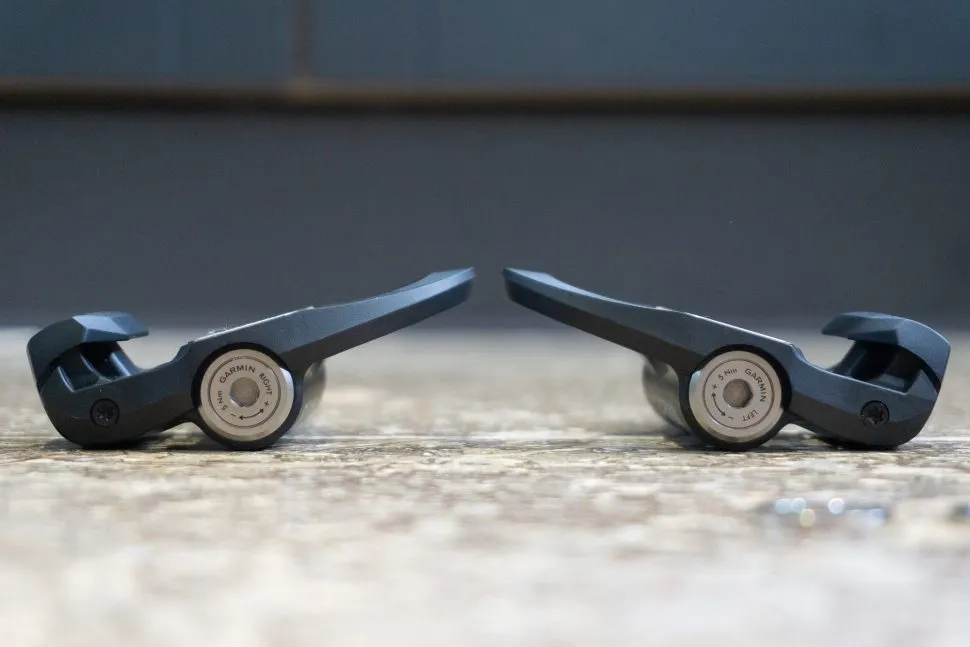
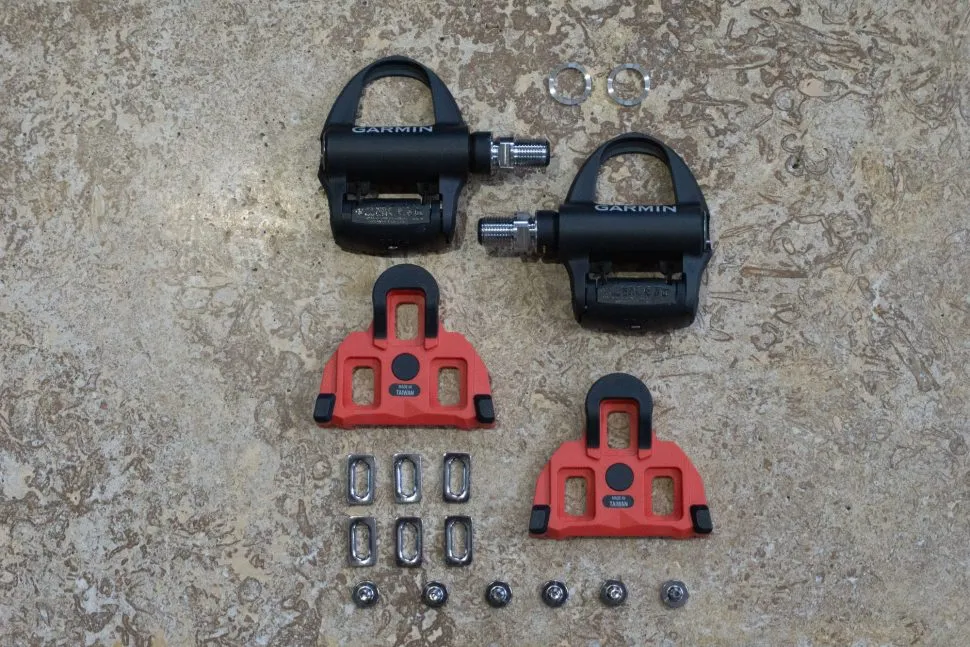
The 210 moniker can be prefixed with either RS, RK or XC, denoting pedal bodies to suit Shimano road, Look or Shimano off-road cleats respectively, but crucially Garmin says the power-equipped spindle can be swapped between the bodies relatively simply, with just a 15mm pedal spanner and 5mm hex key required.
 Sam Challis
As such, riders aren’t limited to inappropriate shoes should they wish to move pedals from a road bike to a gravel bike.
Internal rechargeable batteries, a first in Garmin’s power pedals, contribute to the more streamlined switching process.
‘Internal batteries were a priority this time around because they bring several advantages,’ says Andrew Silver, Garmin’s lead bike product manager. ‘Another plus is convenience; riders do not need to replace physical batteries and can easily charge their pedals using an USB-C cable. A 15-minute charge provides up to 12 hours of ride time and a full charge can provides a 90-hour battery life.’
 Sam Challis
All important accuracy is rated to +/-1% thanks to sensor refinements in the meter itself.
‘The addition of a gyroscope in the sensor enables more instantaneous power measurement. This allows for a greater responsiveness and accuracy in short efforts, and lets the meter self-identify when it needs to be calibrated, removing guesswork for the user,’ says Silver.
For more information on the Garmin Rally RS210, visit garmin.com
Assos Mille GT kit
 Sam Challis
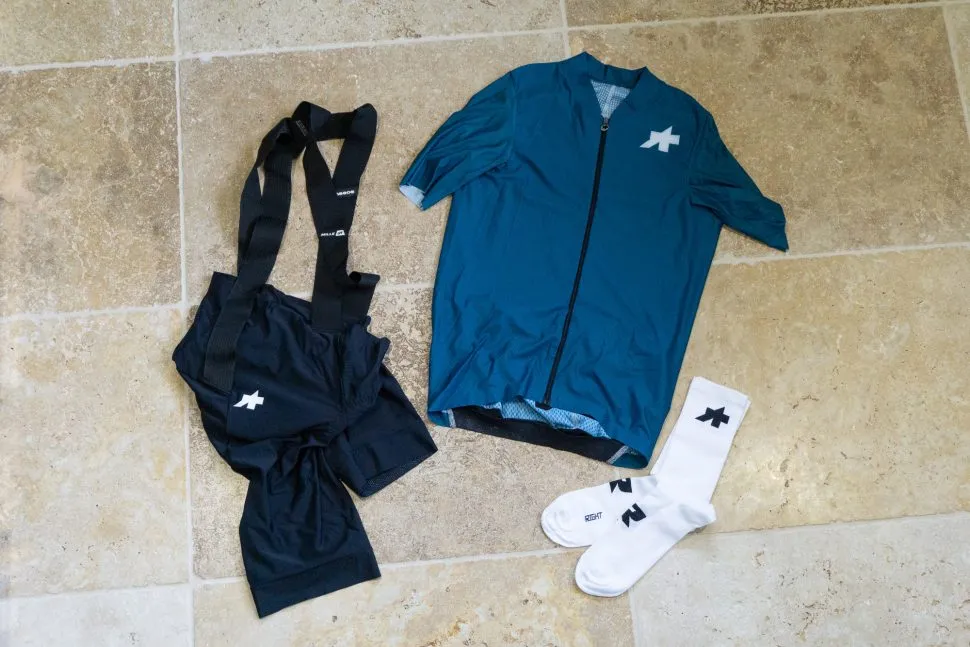
Assos says its revamped Mille GT line of kit is more for every day than race day, but it still borrows design features from the brand’s top tier Racing Series stuff.
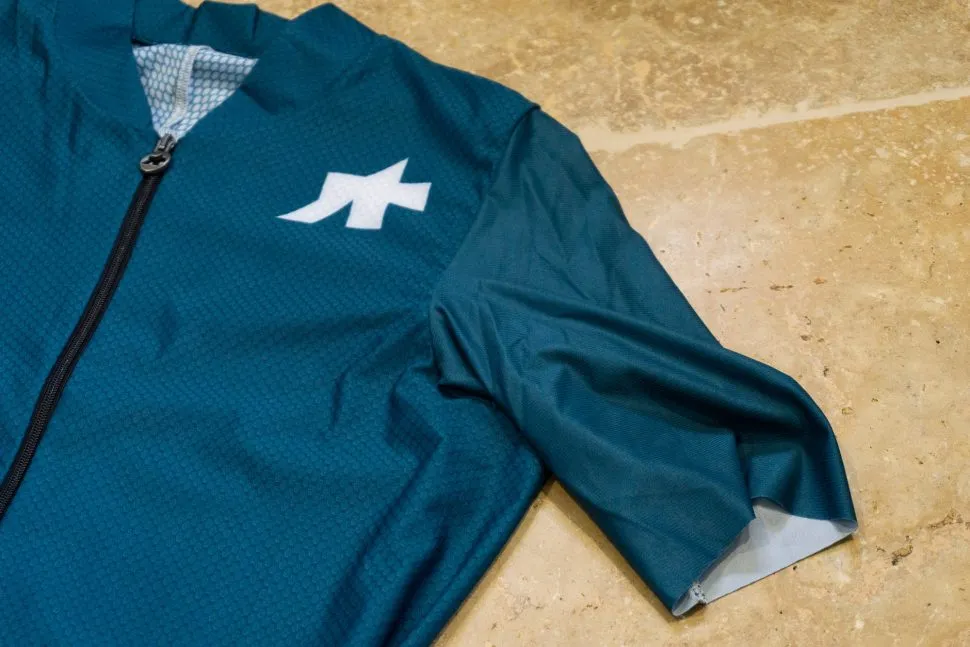
In the jersey, that manifests in the sleeves most prominently, which use a super-light warp-knit (a construction technique that uses yarns in interlocking, zigzagging loops to make a fabric robust yet stretchy) fabric Assos labels as Eclipse. This fabric attempts to creates a barely-there feel on the arms despite still offering 50+ UPF protection.
 Sam Challis
In the updated Mille GT bib shorts, RS inspiration is found in the ‘rollBar’ bib strap feature, which sees the bibs attached at the rear both at the top of the shorts and the pad as well, to improve chamois stability and keep it where it should be in relative to the rider.
That pad is Assos’s latest S11 generation, meaning a 12mm thick, triple layered damping foam which is only attached to the shorts at the front and rear, allowing it to conform better to the rider’s body.
Though the new Mille GT kit leans on the Racing Series kit for certain upgrades, it’s not without tricks of its own. The bib short body fabric is a new composition Assos dubs Quartz. It’s made of 80% recycled polyamide that naturally controls odours better than conventional fabrics, so the day-in, day-out use case of the new Mille GT shouldn’t come with that particular common disadvantage.
For more information on the Assos Mille GT collection, visit assos.com
USE Escape and Vybe finishing kit
 Sam Challis
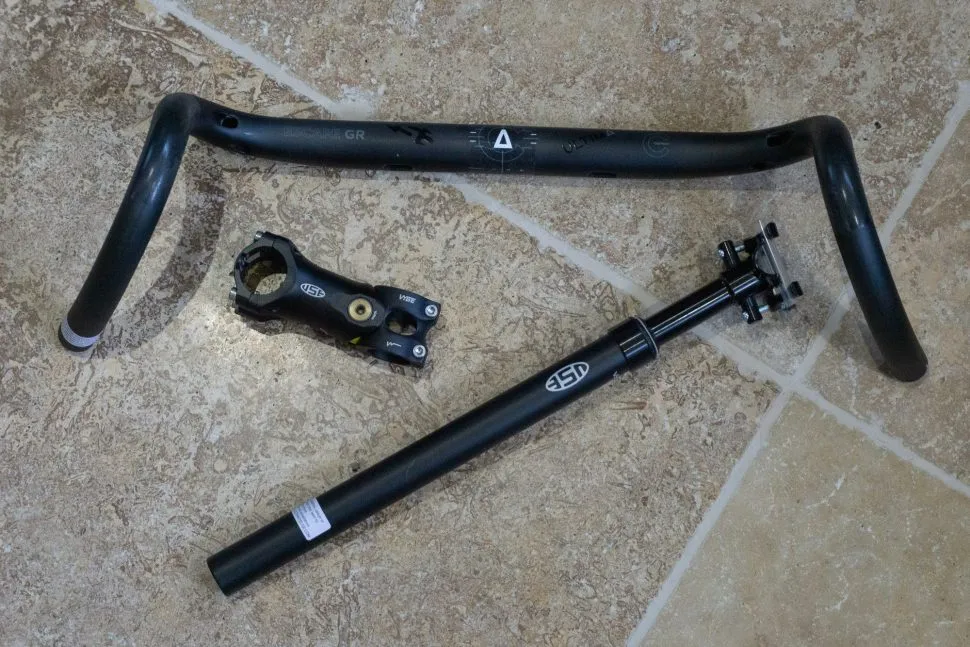
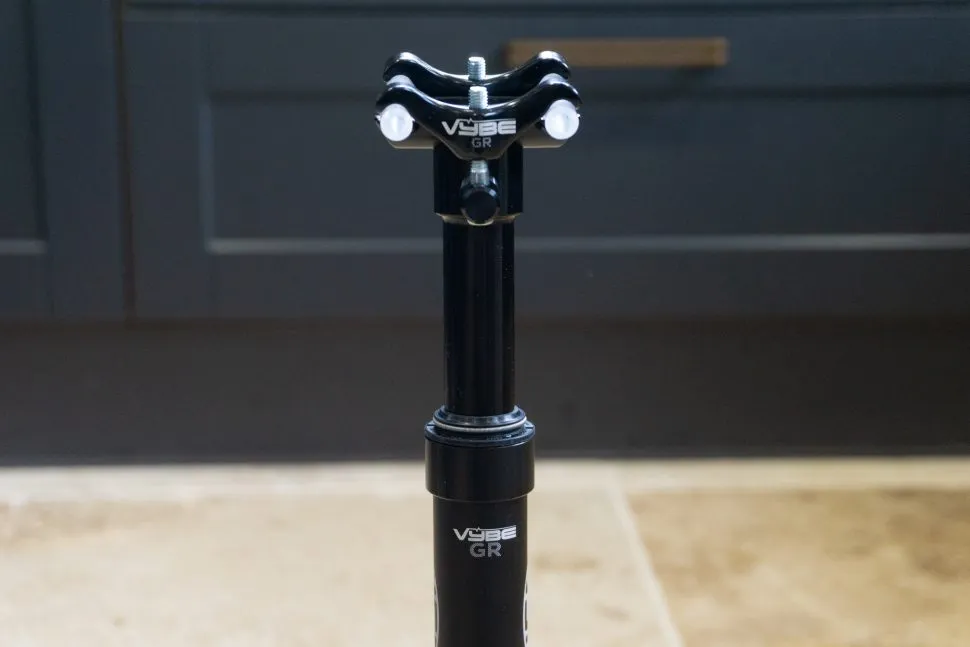
Devices to reduce fatigue on longer gravel rides do as much as the latest light and aero parts for performance and speed, not to mention orders of magnitude more for comfort and enjoyment. USE knows this better than most, having been making suspension components since the 1990s. The Vybe GR seatpost can trace its roots all the way back to those first products.
 Sam Challis
‘It uses a telescoping design to provide up to 50mm travel while preserving pedalling kinematics,’ says Roger Sparrow, USE’s founder. ‘Other, parallelogram-based suspension posts cause the rider to move backwards in compression, which isn’t ideal. Alongside vastly improving comfort, our post allows riders to stay seated over obstacles, which makes them faster than if they were bounced out of the saddle on a rigid design.’
 Sam Challis
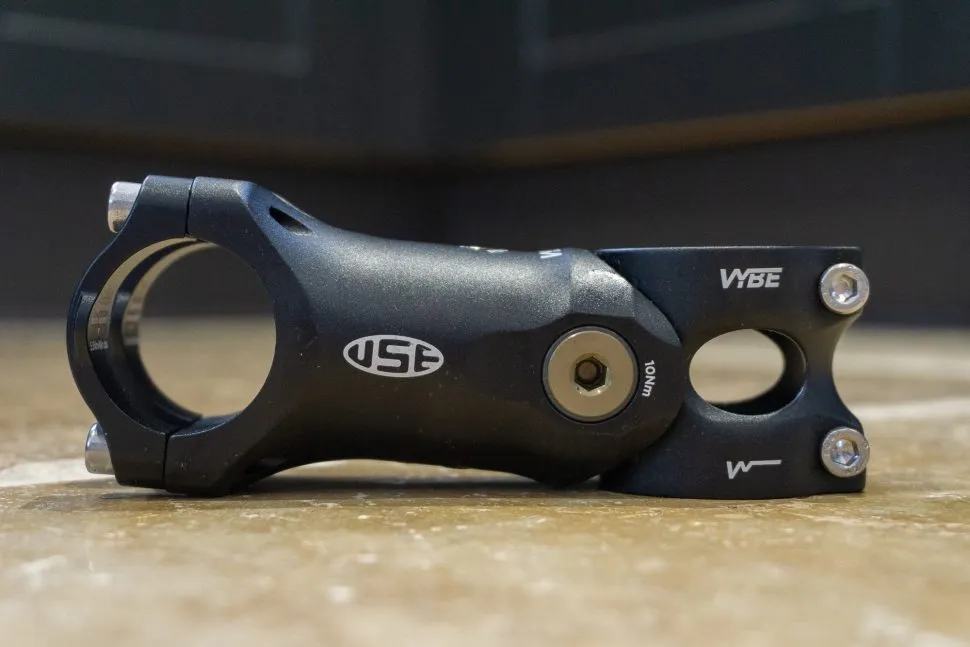
The Vybe stem uses a bearing-actuated pivot close to where it fixes on the fork steerer and similar elastomer inserts to the seat post to provide up to 20mm of travel at the front of the bike.
‘The pivot bolt is tapered, so locks into the stem structure when tightened, making the stem stiff torsionally despite moving freely in the vertical plane,’ says Sparrow.
 Sam Challis
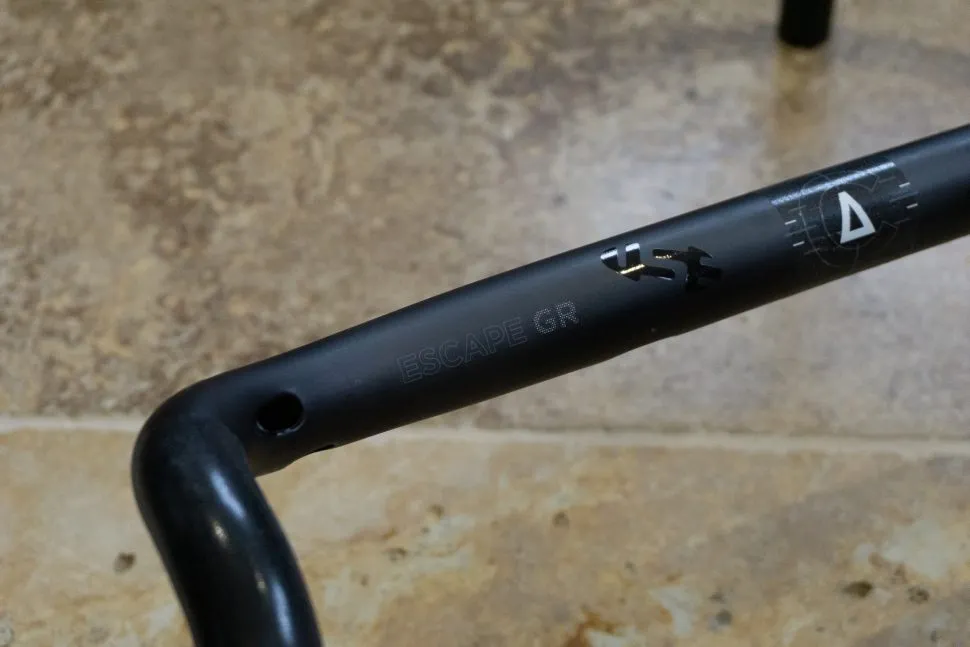
The bar design is the icing on this insulative cake: ‘We lay the carbon up in a specific manner to promote vibration damping,’ says Sparrow. ‘Then the splayed flare of the drops ensures lever positioning is kept neutral but the wrists are positioned ergonomically, for a natural ride, confident ride position.’
Exposure Boost and Boost-R lights
 Sam Challis
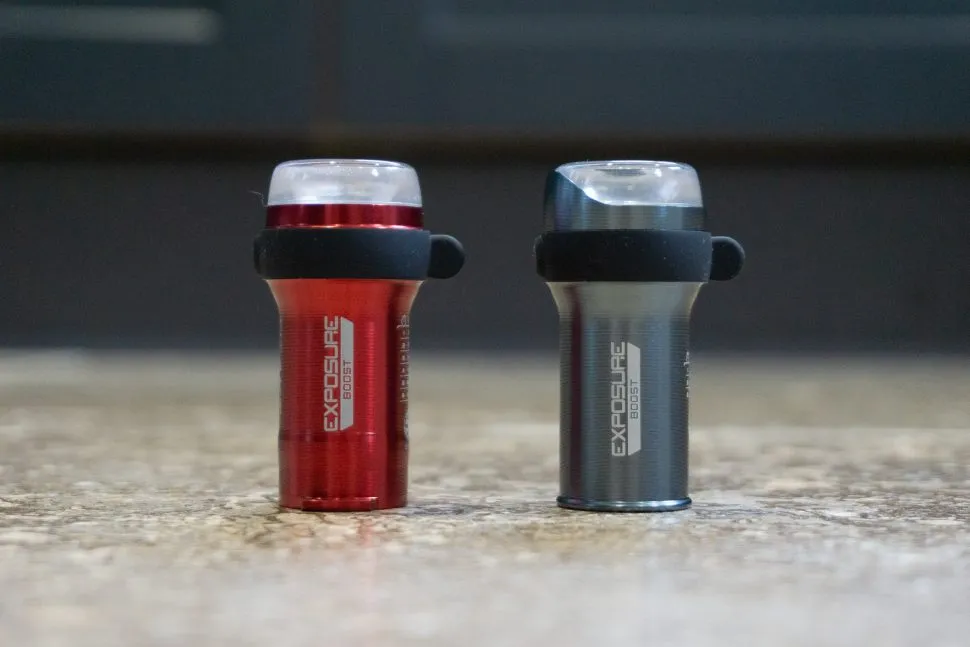
Now on its Mk. III release, Exposure’s Boost and Boost-R lights have a valid claim of being just about the best ‘be-seen’ lights on the market.
The sleek little pills have proven durability and longevity credentials and both pack a punch, being brighter than ever. The front can now provide up to 600 lumens and the rear up to 200 lumens, despite claiming a 70-hour runtime in flash mode. The lights promise to be a true fit-and-forget system, with a DayBirght pulse pattern designed to catch the attention of other road users.
 Sam Challis
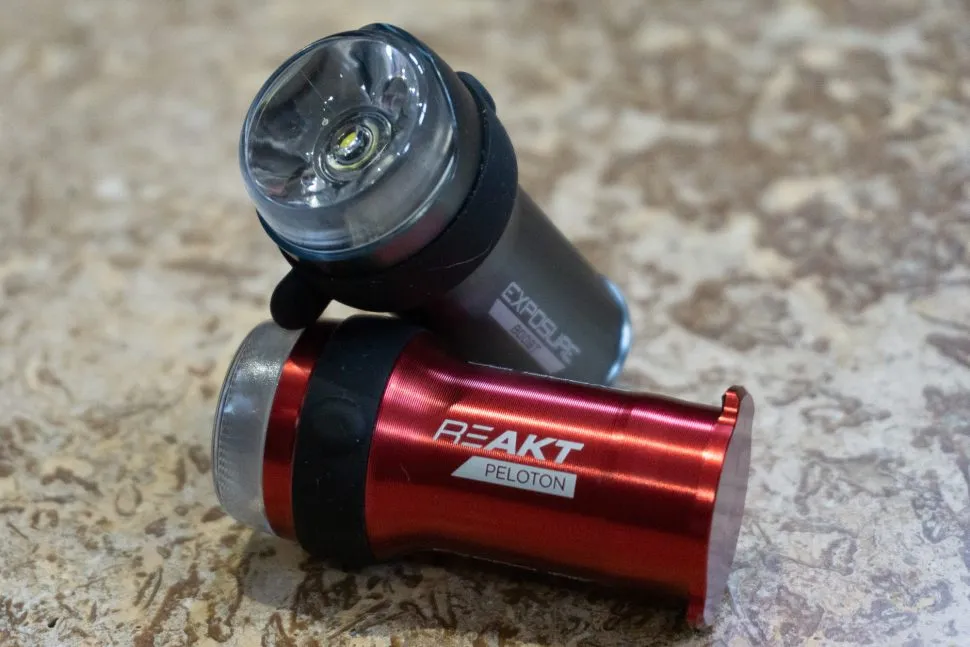
While the front light is more about straight-up power and runtime, the rear is the smarter of the two lights. It’s Reakt feature uses an accelerometer to flare up like a car’s brake lights when the rider decelerates, plus sensors in the light allow it to adapt to ambient light to maintain contrast and visibility in different conditions.
Ad feature
Elite is still dominating the WorldTour in 2026
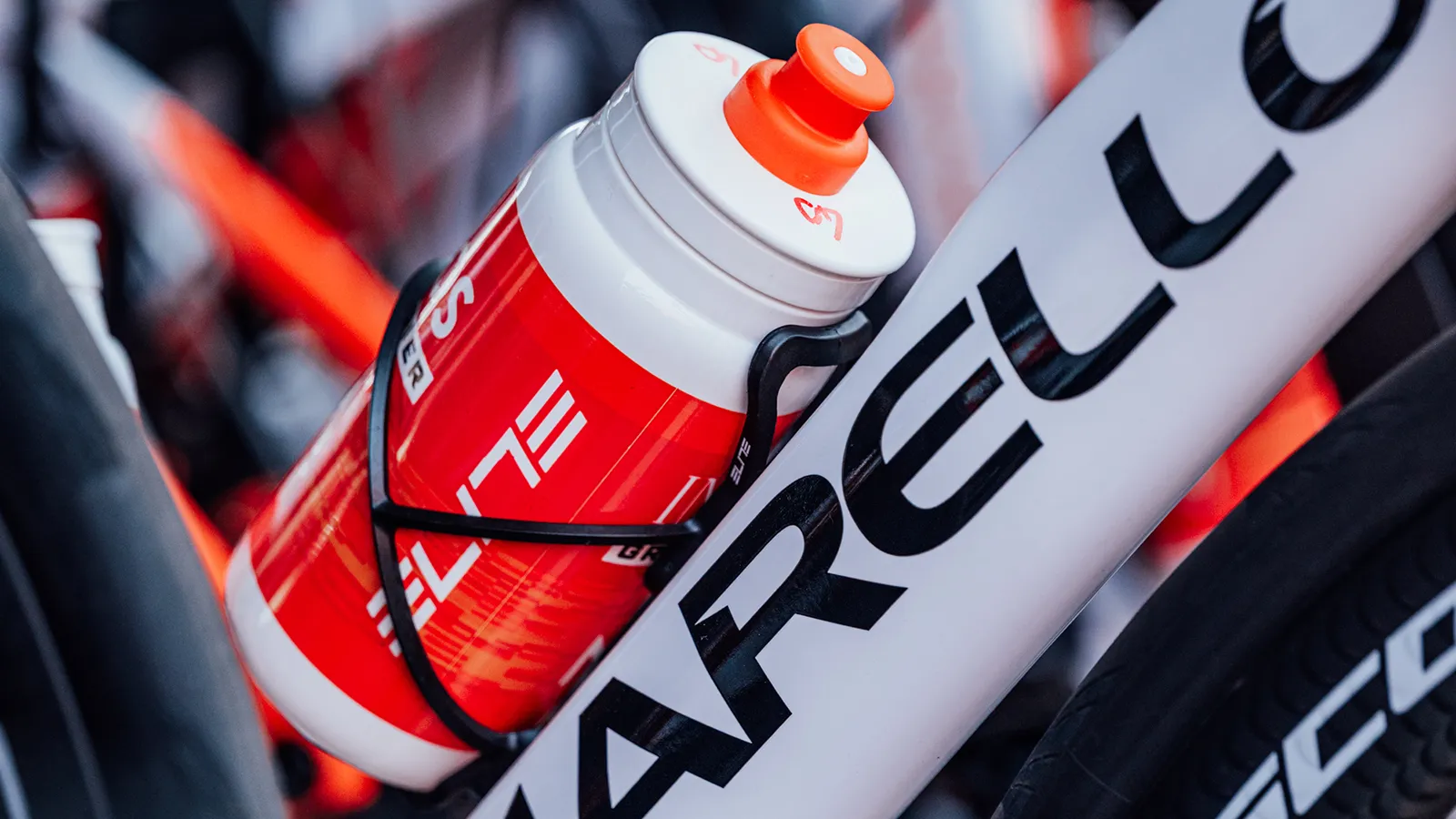
Elite has confirmed its partnerships for 2026 with a larger-than-ever number of pro cycling teams: a total of 13 WorldTour teams across the men’s and women’s peloton will race this season with our products – both for in-race hydration and on the smart trainers they use when riding indoors.
For the world’s top riders at the sharp end of the peloton, every detail is tested, measured and refined. For that reason, Elite believes in an ongoing commitment that’s built on technical support, product development and day-to-day presence. Today we’re the brand that’s most present among WorldTour teams, and we continue to be the technical partner of more than half of pro teams worldwide. The value of these partnerships is tangible – and you can see it in the results of the world’s biggest races.
In 2025, Tadej Pogačar with UAE Team Emirates XRG delivered a benchmark year: victory at the Tour de France, a win at the Tour of Flanders, a hat-trick at Liège–Bastogne–Liège, and a gold medal in the World Championships Road Race. Elite made its mark in the Classics too, with Mathieu van der Poel (Alpecin-Premier Tech) claiming wins at both Milan-San Remo and Paris-Roubaix.
The year brought just as much success on the women’s side: UAE Team ADQ ended the season having celebrated victories at the Giro d’Italia and UAE Tour with Elisa Longo Borghini. Fenix-Premier Tech, meanwhile, took La Flèche Wallonne thanks to Puck Pieterse’s win, while Canyon-SRAM-Zondacrypto added to its palmarès with Zoe Bäckstedt’s U23 Road World Championships victory in Kigali.
Ad feature ends