
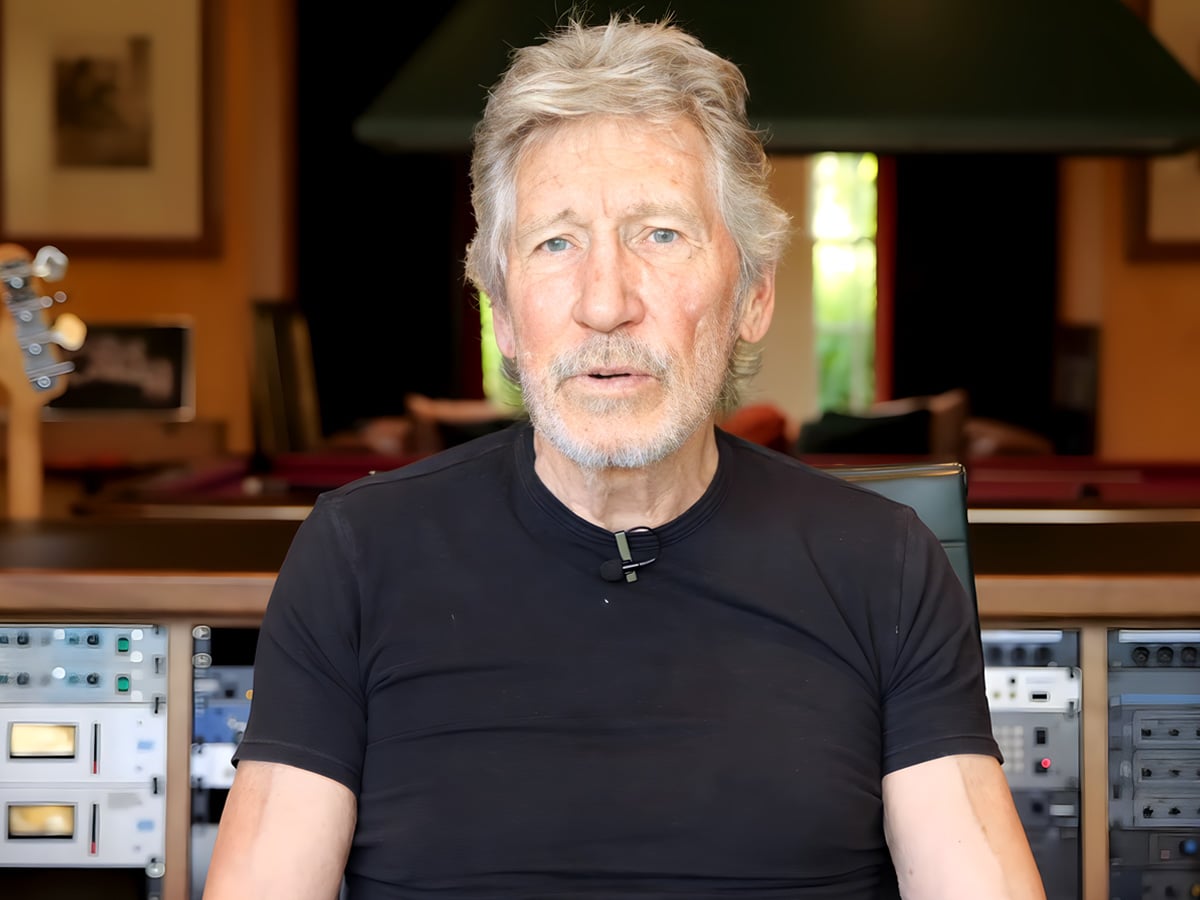
(Credits: Far Out / YouTube Still)
Fri 13 February 2026 17:30, UK
Roger Waters didn’t get into the music business trying to become one of the biggest pop stars in the world.
There was no chance that Pink Floyd was ever going to be known as pop darlings at any point during their career, and even when they started having major success off the back of Dark Side of the Moon, they weren’t about to start changing their sound to fit in with the times. It was all about following what was in their heart first and foremost, but Waters at least knew the kind of genre lines that he didn’t want to cross.
Then again, it was hard to really consider Floyd to be truly “progressive” when looking at the other prog bands they grew up with. They tend to get thrown into the same conversation as bands like Yes, King Crimson, and Genesis, but when you look at their epics, they’re a lot different. Sure, there are some strange chords and uncommon time signatures, but it’s easy to get your fingers around some of their classics relatively easily.
You weren’t going to need to spend half a decade trying to decipher ‘Comfortably Numb’ the same way you would for ‘Thick as a Brick’, and that was by design. Waters didn’t want to make his music seem too sophisticated for his audience every time he made a record, and even when he was reaching the greatest heights of The Wall, a lot of the melodies needed to be simple if he wanted to take the audience with him on this musical journey.
But that wasn’t exactly the same as what they had started with. In a perfect world, there’s a good chance the band would have carried on with Syd Barrett at the helm. The Piper at the Gates of Dawn was a progressive pop record for the time, and with his strange sense of harmony and fantastical lyrics, Barrett could have been one of the biggest names in music had he not lost his battle with his own mind.
And when you look at Floyd’s later work, it doesn’t even sound like the same band half the time. Their first few records without Barrett didn’t feel like they had any sense of direction, but when they started working on songs like ‘Echoes’, they found their calling, making more empathetic material. It wouldn’t have worked had they continued making songs no one could understand, so it was better for them to find their own sense of humanity throughout their songs whenever they played.
Waters was still proud to have worked on those first records with Barrett, but he drew the line at being called a psychedelic rock band, saying, “I never really liked psychedelia the first time it came around. I can understand that term as an adjective to describe psilocybin or mushrooms or ‘mind-expanding’ drugs, but psychedelic as an adjective appended to a certain style of musicians just seemed to be ludicrous.”
Then again, it’s not like you can’t pick out what a psychedelic rock act sounds like when you hear one. The Doors had their fair share of psychedelic moments when their music would start spreading out on their longer songs, and even bands like Jefferson Airplane and 13th Floor Elevators created their entire careers out of using noise as an instrument whenever they played, especially when they started talking about substances on tunes like ‘White Rabbit’.
But you have to remember who we’re talking about when describing what psychedelic music was. In Waters’s eyes, he was only trying to make music that would push rock and roll forward a little bit, and since he lost one of his best friends to substances relatively early in life, he was never going to have his music be defined by the kind of drugs people had to take in order to enjoy it.