
1. Novak Djokovic is the greatest player of all time. End of debate.
2. Roger Federer v Rafael Nadal was such a special rivalry, helped by its contrast between the graceful style of the former and the physical brutality of the latter. It was also fascinating observing these two legends behind the scenes. The aura that Federer carries into a room and the suave way in which he handles any sort of gathering, whether it be a group of journalists or corporate guests, was always impressive. As was the way in which Nadal humbly greeted and thanked tournament staff of all levels away from the cameras.
3. I will enjoy watching from afar when Serena Williams makes her comeback to professional tennis. While none of us outside the Williams camp can be certain as to what exactly her plans involve, there was a sense in 2022 that she was retiring with unfinished business on 23 grand-slam women’s singles titles, one short of Margaret Court, the record holder. The pressure attached to this feat badly affected her with straight-sets defeats in her last four major finals, but the weight of expectation will not hang so heavy on the shoulders at the age of 44. Whether the physical challenges can be overcome remains to be seen.
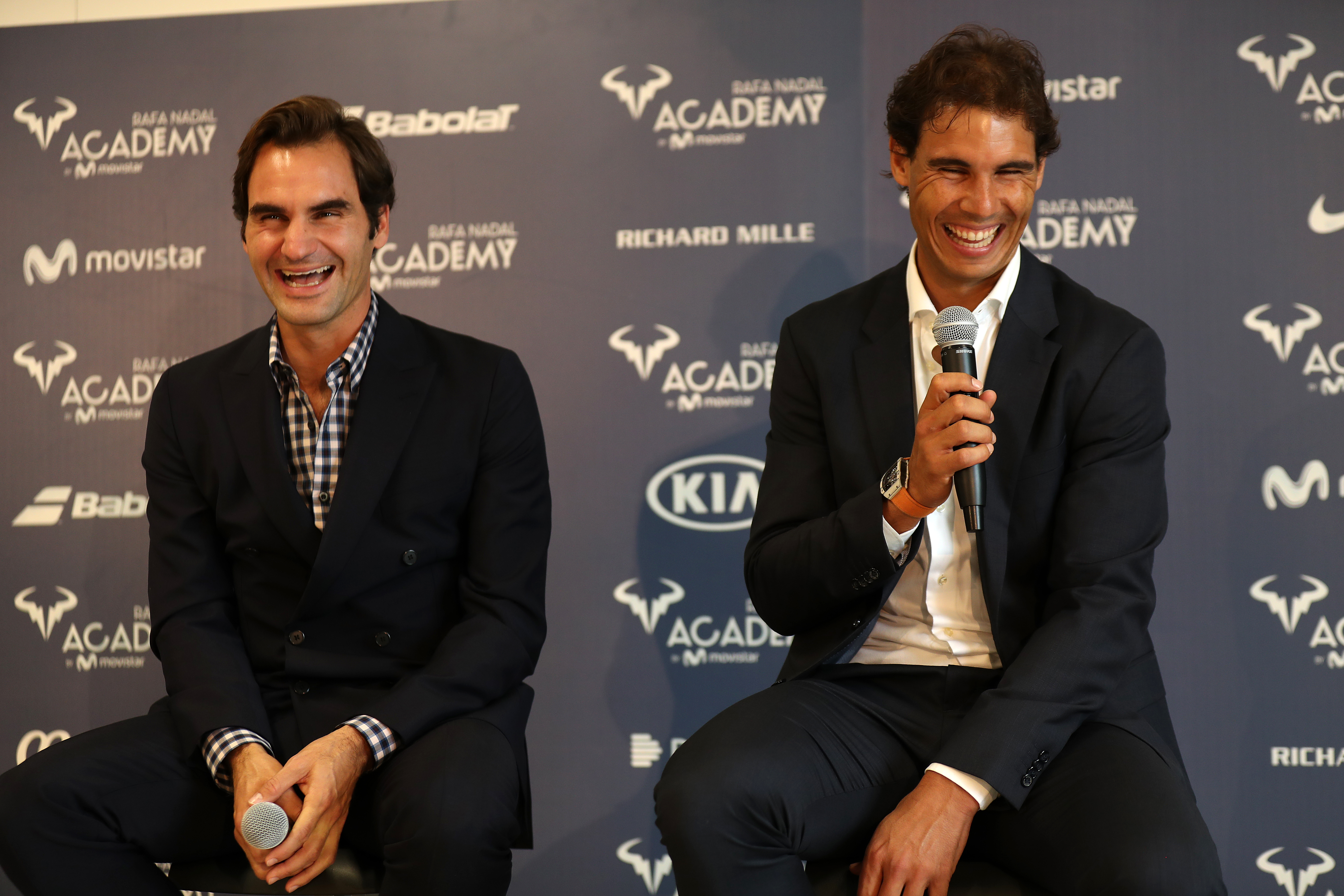
Federer, left, carried an aura into every room while humble Nadal thanked tournament staff at every level
TIMES PHOTOGRAPHER MARC ASPLAND
4. Pete Sampras’s record of 14 grand-slam men’s singles titles was once considered unattainable before Djokovic, Nadal and Federer blew that theory out of the water by winning 24, 22 and 20, respectively. And now we have Carlos Alcaraz on a total of seven by the age of 22 after recently completing the career grand slam at the Australian Open. The Spaniard’s attacking style is so effective across all surfaces that it is not at all absurd to suggest that he could surpass Djokovic and even double Sampras’s total, fitness permitting.
5. Whatever Emma Raducanu does for the rest of her career, she will always have one of the great British sporting achievements in winning the 2021 US Open as an 18-year-old qualifier. What a remarkable fortnight it was witnessing it all at Flushing Meadows. The coaching carousel since, however, is baffling. The day I spent with the world No1, Aryna Sabalenka, before Wimbledon last year reiterated the benefits of building a stable and long-term coaching team that the athlete can trust.
6. Respect to Cameron Norrie for the understated way in which he goes about his business on the tour. The 30-year-old has been this country’s most reliable performer on the big stage in recent years, finishing 14 of the past 24 grand-slam events as the last British singles player standing. A mention also for Dan Evans, who may have been far from understated, but it will be hard to find many British players who have been on the road as much across various tiers through the years.
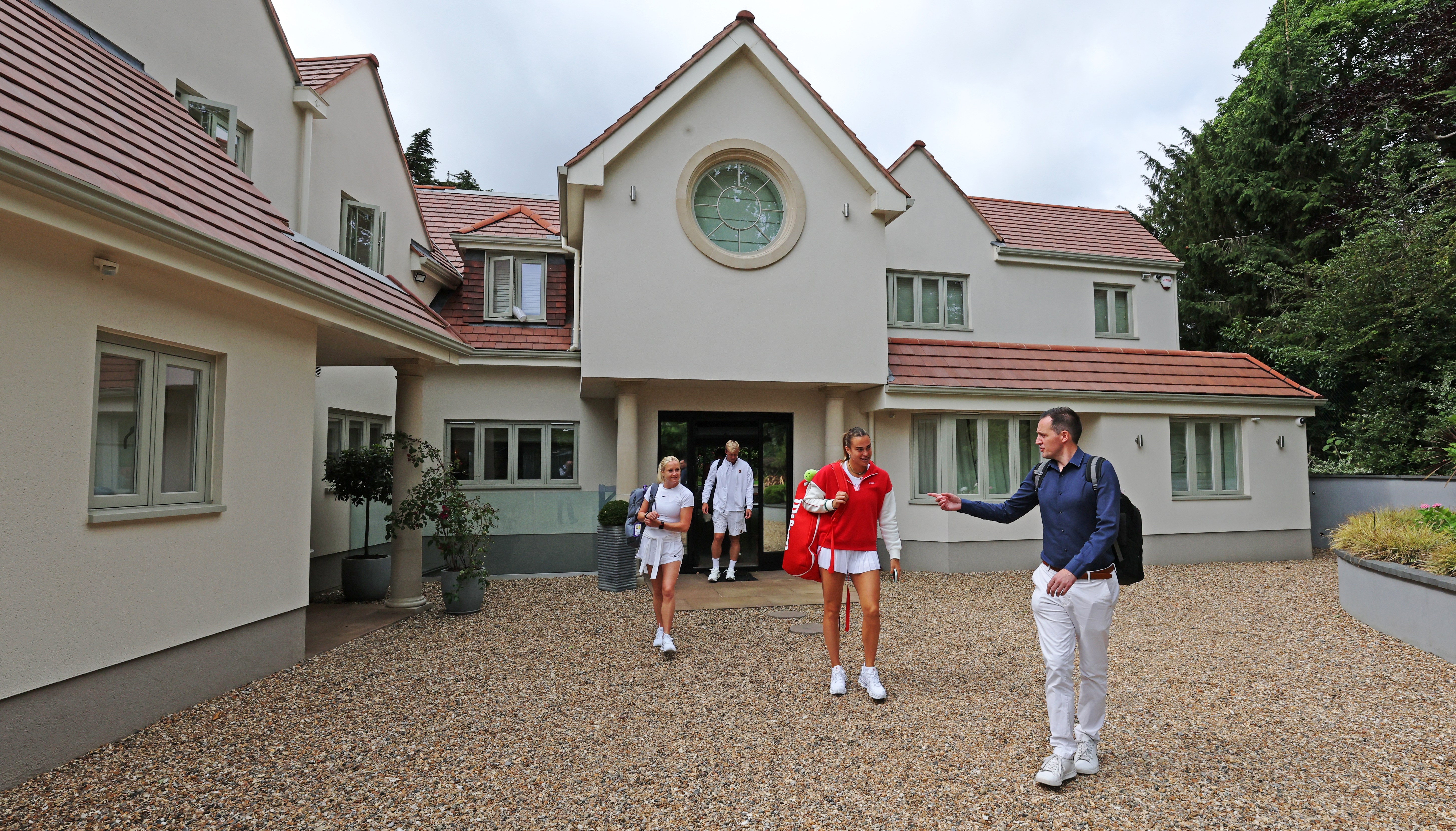
My access-all-areas day with Sabalenka before Wimbledon last year highlighted the benefits of players building a stable and long-term coaching team
TIMES PHOTOGRAPHER MARC ASPLAND
7. It was a great shame that Juan Martín del Potro eventually succumbed to injury. At his best, the Argentinian was capable of challenging the “big three” at the height of their powers, most notably winning the 2009 US Open by beating Federer in the final. His ferocious forehand was a stark contrast to his gentle manner off the court, which was evident to me in Shanghai in 2018. I was due to interview Del Potro to mark his qualification for the ATP Finals, but the 15-minute slot was cancelled when he fell on the court and cracked his right knee. Despite having more important matters to focus on, Del Potro took it upon himself to seek me out after his press conference and personally apologise before offering to reschedule for another time. Sadly the interview never did happen as it was to be the injury that ended his career.
8. The closest that tennis comes to having a football-style manager is in its team competitions. While it was Andy and Jamie Murray who were mostly responsible on the court for Great Britain’s Davis Cup triumph in 2015, credit must also go to Leon Smith, the captain, for forging a successful team environment. Anne Keothavong has also since done the same in her role as Billie Jean King Cup captain, leading Britain to three semi-final appearances in the past four years. It is no easy job knowing the right thing to say to your players in the heat of the moment on the courtside bench.
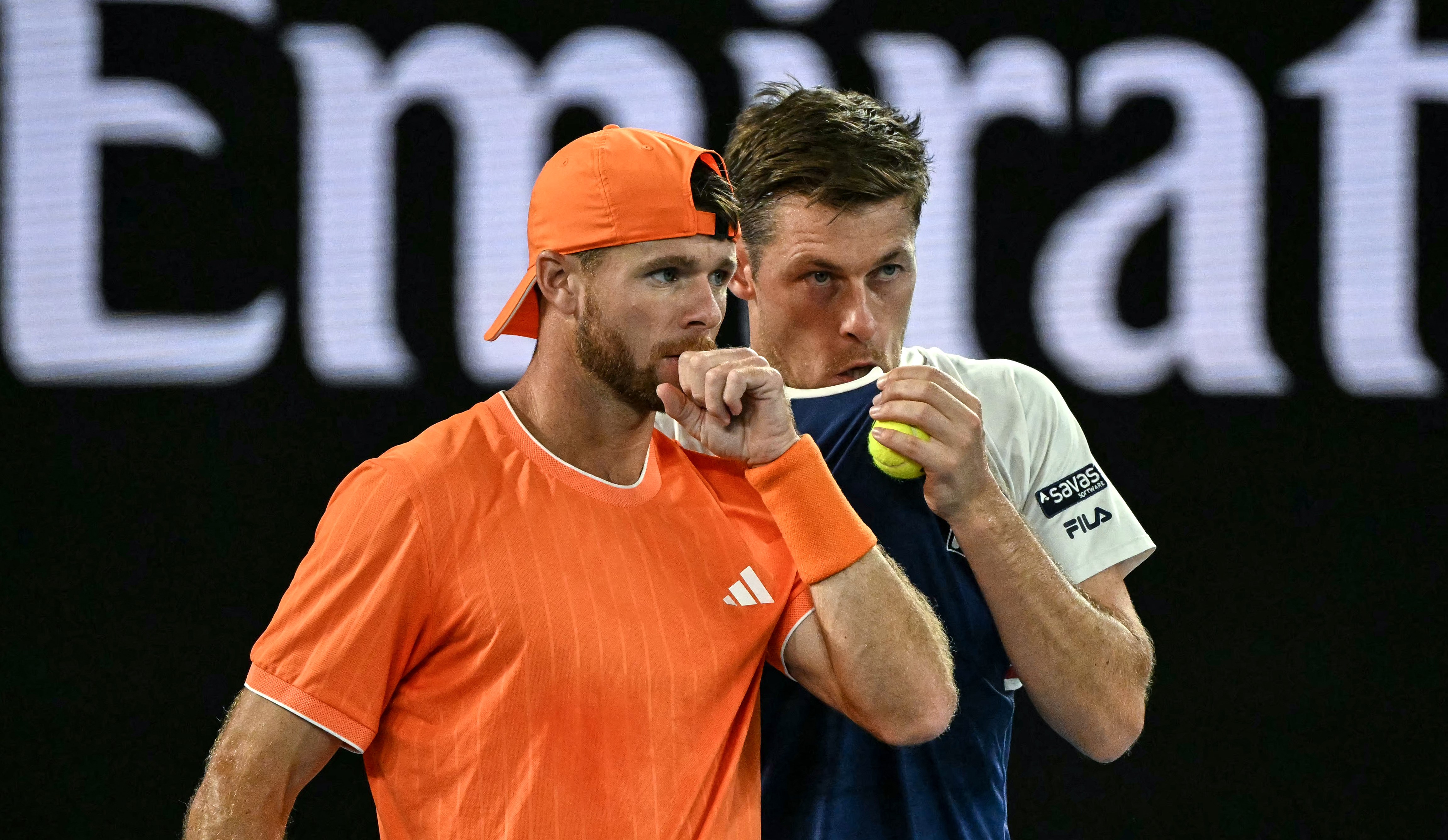
Skupski, the world No1, seen here winning the Australian Open with US partner Harrison last month, has been a British doubles success story
WILLIAM WEST / AFP VIA GETTY IMAGES
9. This week there are three British players occupying the top three spots in the ATP’s world doubles rankings: Neal Skupski at No1, Lloyd Glasspool at No2 and Julian Cash at No3. Joe Salisbury at No8 and Henry Patten at No9 make it a total of five in the top ten. The catalyst for this strong representation is Louis Cayer, the specialist doubles coach, who joined the LTA in 2007 when there were no Britons in the top 100. Eight years after sitting alongside him for an hour, to learn more about his methods, I still have never encountered another coach so detailed in all that he teaches.
10. The wheelchair divisions continue to grow in popularity, particularly at Wimbledon, where it is hopefully only a matter of time before a match takes place on Centre Court for the first time. Alfie Hewett, Gordon Reid, Andy Lapthorne and Lucy Shuker are British stalwarts who deserve a chance to play on the world’s most famous court should they go deep at the championships.
11. Wimbledon has a charm that no other tournament can replicate with its history and traditions. Merely flashing a media pass to walk into the All England Club every day — while thousands camp out overnight nearby at Wimbledon Park — is one of this job’s great privileges. But the long-proposed expansion is much needed to maintain the special experience for players and spectators. While the planning process rumbles on, the existing site increasingly creaks at the seams.
12. There is no tournament in the world that has had a greater transformation over the past 15 years or so than the Australian Open. Melbourne Park has grown at a rapid rate to host a three-week festival combining sport and entertainment, which welcomed more than one million people through the gates this year and spawned endless content featuring tennis, music, food, fashion and drink. This “event to be seen at” model will almost certainly become more common on the tour in a social-media age.
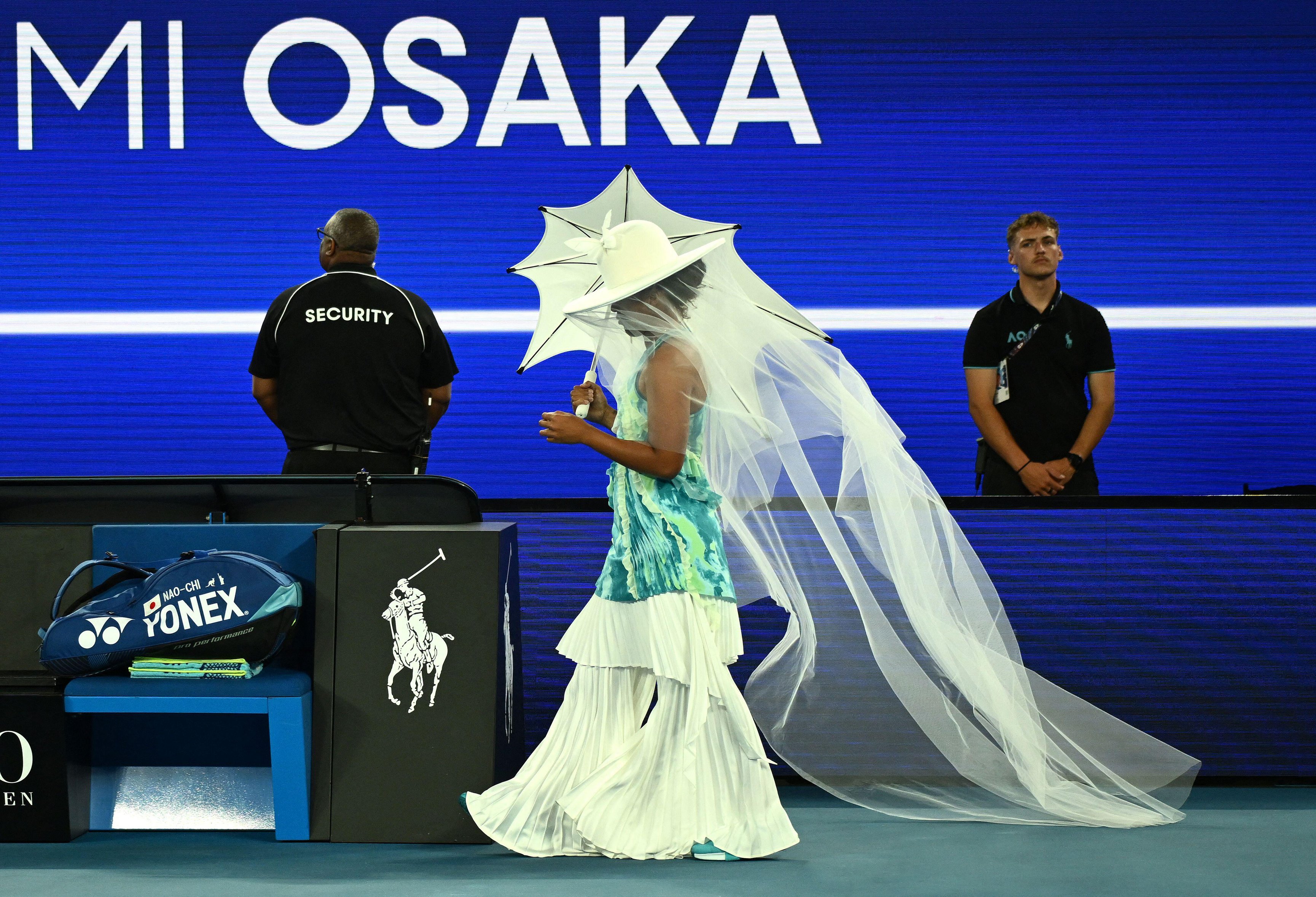
Naomi Osaka steps out for her first round-match in Melbourne where the Australian Open organisers were keen to embrace the world of fashion
AUSTRALIAN ASSOCIATED PRESS/ALAMY LIVE NEWS
13. The decision to extend most Masters 1000 tournaments from seven to 12 days was taken far too easily. The ATP saw an opportunity for some extra revenue by lengthening the tournament schedule, while the WTA found it useful to cover some bare weeks in the calendar. Players have complained of mental challenges arising from extra time on the road, and many fans have found it difficult to follow the extended format. These events were far more appealing to watch when they were short and sharp.
14. Between the BBC, Sky Sports and TNT Sports, tennis fans in the United Kingdom are well covered for live coverage of matches throughout the year. But one cannot help feel that tennis punditry would benefit from a stoke of the fire by an additional Roy Keane-type figure, unafraid to get stuck in when the opportunity arises.
Croft was a joy to work with while compiling her columns for The Times
ALAMY
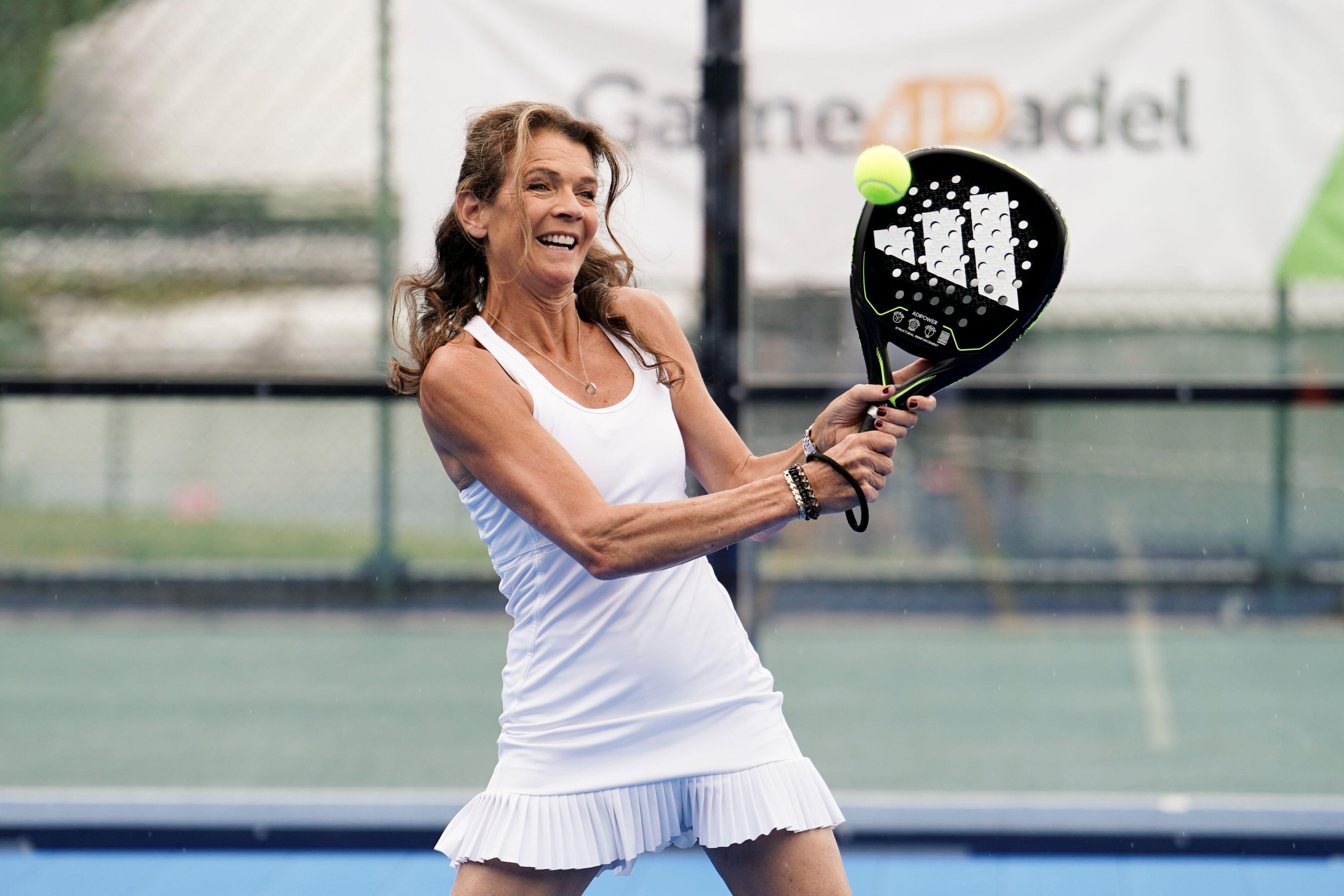
15. José Mourinho once hailed Annabel Croft as one of his favourite sports broadcasters, and I completely concur. Working with the respected former player for her columns in The Times has given me a new level of admiration for the research and insight behind her sharp analysis.
16. The cancellation of Netflix’s tennis documentary Break Point in 2024, after only two seasons, clearly did not ring enough alarm bells. Players and tour chiefs failed to grasp that the best storylines for such a programme involve some controversy and were reluctant to facilitate the telling of these. The complaints about footage of Coco Gauff’s racket smash backstage at last month’s Australian Open show that this insular attitude still remains, to the sport’s detriment.
The clock on the wall tells its own story of another Murray marathon during his comeback against Kokkinakis in Melbourne three years ago
WILLIAM WEST/AFP VIA GETTY IMAGES
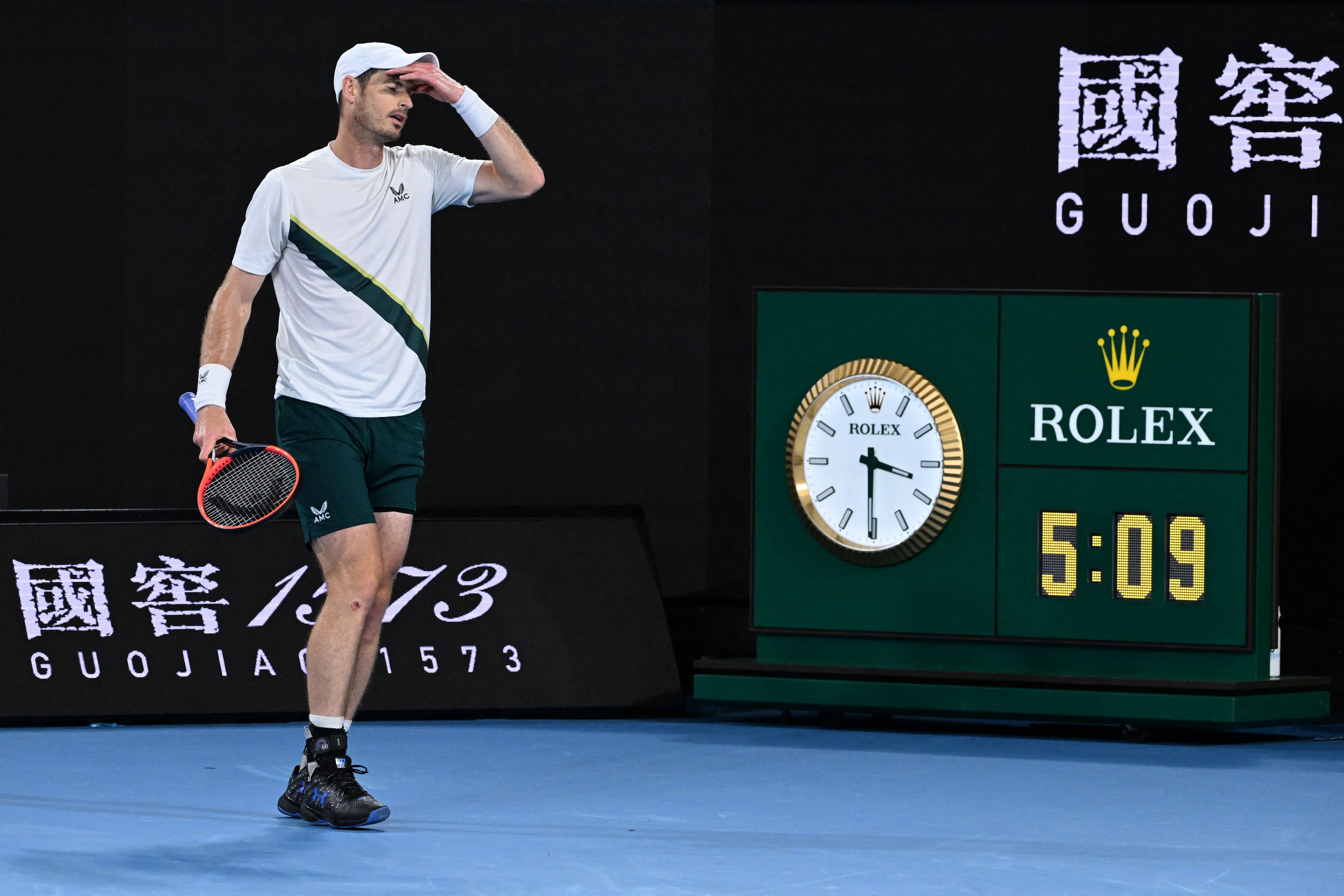
17. I have lost count of the amount of times I have been sitting beside a tennis court and tomorrow has turned into today. There is no sport like tennis for ludicrous late-night finishes — my own record was 4:05am for Andy Murray’s five-set comeback against Thanasi Kokkinakis at the 2023 Australian Open. As well as the debilitating physical impact on the players, tournament organisers would do well to consider the wellbeing of their staff forced to return for work hours later without adequate rest.
18. In 53 primetime night sessions at the French Open since the start of the 2021 tournament, female players have featured only twice. The same old excuses wheeled out by organisers year after year cite the limitations of the one-match slot and shorter best-of-three-set format in the women’s singles. But whatever the reason, it needs resolved as this is a shameful inequality in this day and age.
19. The future looks particularly bright in the women’s game, both internationally and domestically. There are five players aged under 20 in the world’s top 50: No7 Mirra Andreeva (aged 18), No10 Victoria Mboko (aged 19), No20 Iva Jovic (aged 18), No29 Maya Joint (aged 19) and No42 Tereza Valentova (aged 18). And the British teenage trio of Mimi Xu (aged 18), Mika Stojsavljevic (aged 17) and Hannah Klugman (aged 16) are making good progress in the early days of their respective professional careers.
Daniil Medvedev marks a sad, Covid-affected end to the ATP Finals’ 12-year London run in 2020
REUTERS
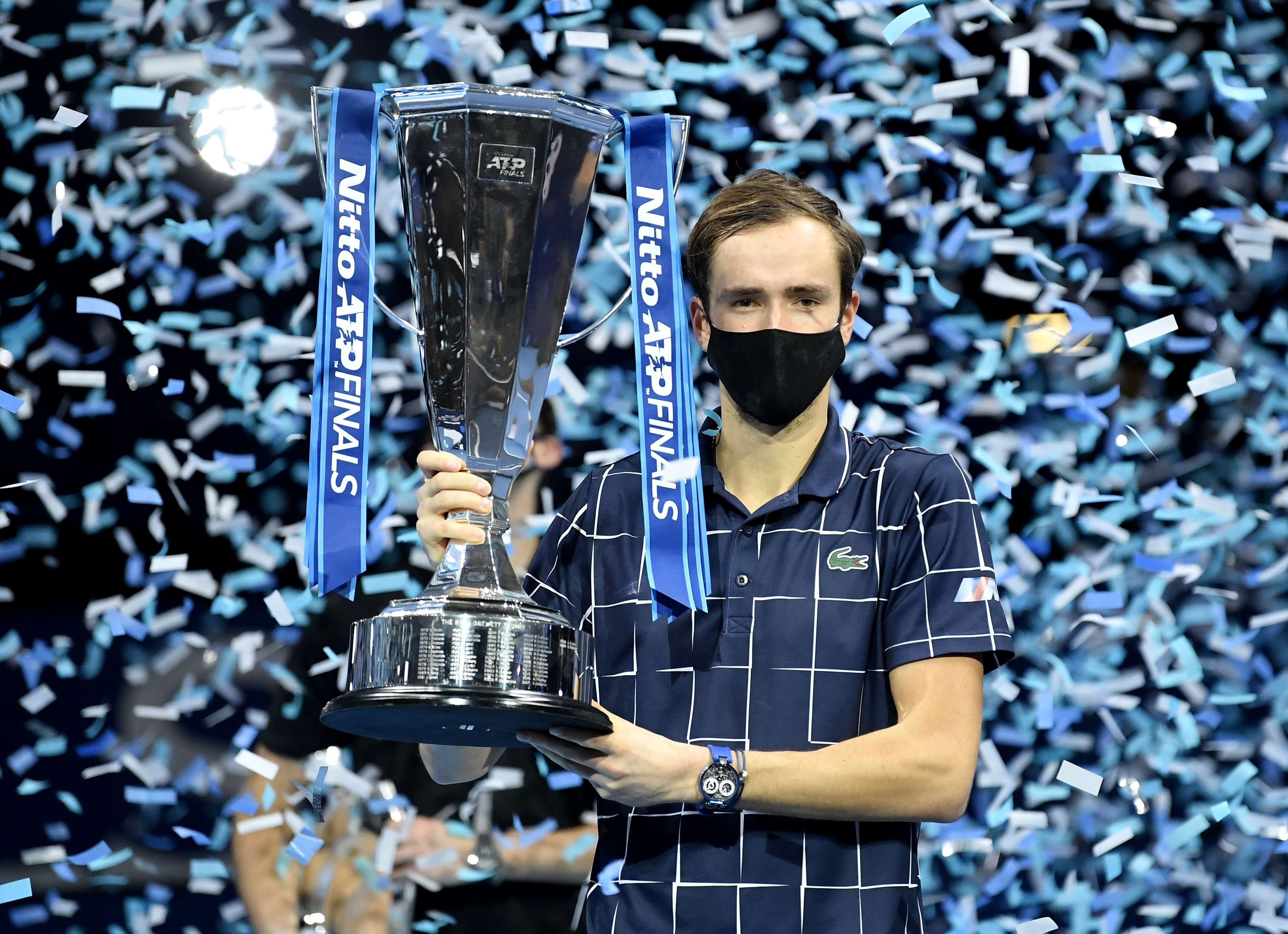
20. As life rolls on, it is easy to forget the impact that the Covid-19 pandemic had six years ago. The tennis tour was brought to a sudden halt in March 2020, and found it challenging to get going again because of its global nature. Writing the story that Wimbledon had been cancelled for the first time since the Second World War was surreal, as was covering tennis from my television for nine months when it resumed in August. And what a sad end in November for the ATP Finals’ 12-year run in London, played behind closed doors in an empty 17,500-seater O2 Arena.
21. Journalists have to be critical when the moment calls for it, so it is only right that we are given some home truths. One highlight was the agent of a former British No1 referring to members of the press as a “bunch of sour-faced muppets”. Some will find it hard to disagree.
22. People often ask me to recommend the best tournament trip, and I have no hesitation whatsoever in suggesting the Indian Wells Open. With no direct flights into the nearby Palm Springs airport from the UK, it is a long journey to the Californian desert, but one that is well worth it to experience “Tennis Paradise” with its stunning backdrop of palm trees and mountains. I hear the local golf courses are good, too…
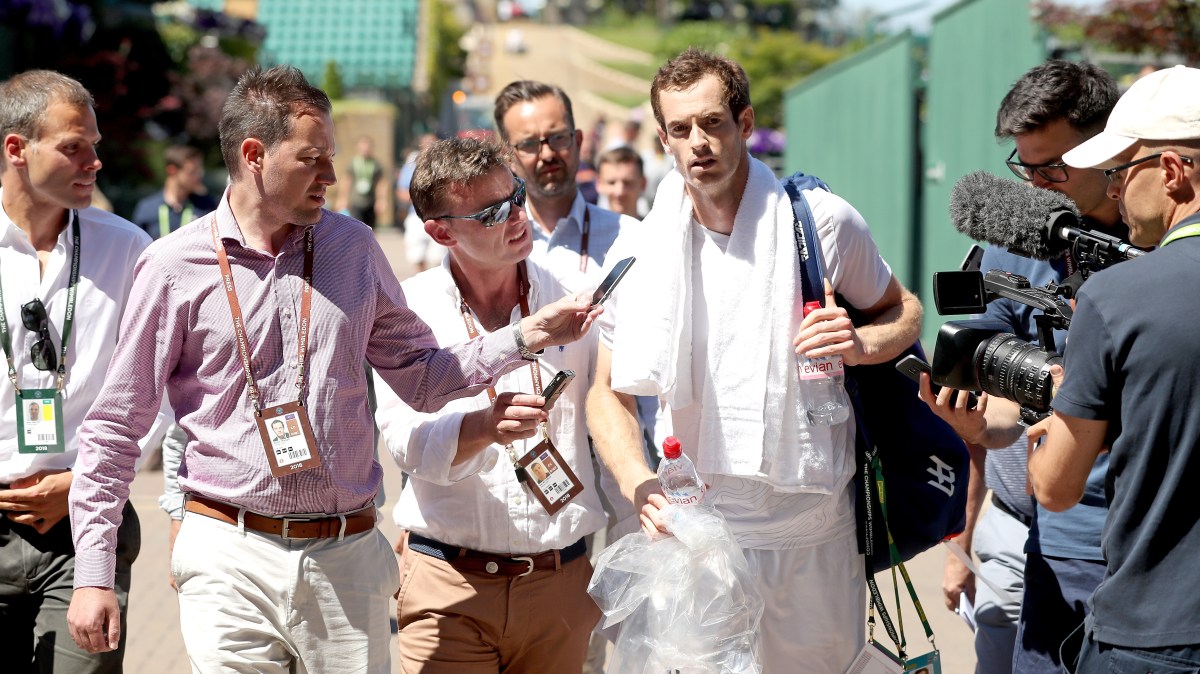
23. While veteran football journalists have long lamented the decrease of personal interactions between the players and the media, the social shutters have thankfully not yet been put up in tennis. Mandatory media duties mean that tennis players cannot copy their footballing counterparts in pretending to speak on the phone as they walk through the mixed zone. And although the physical nature of the sport means that players are not exactly propping up the hotel bar every night, some will occasionally let the hair down when the time is right. My admiration for Stan Wawrinka’s longevity grew tenfold after failing to keep up on one heavy night in Miami.
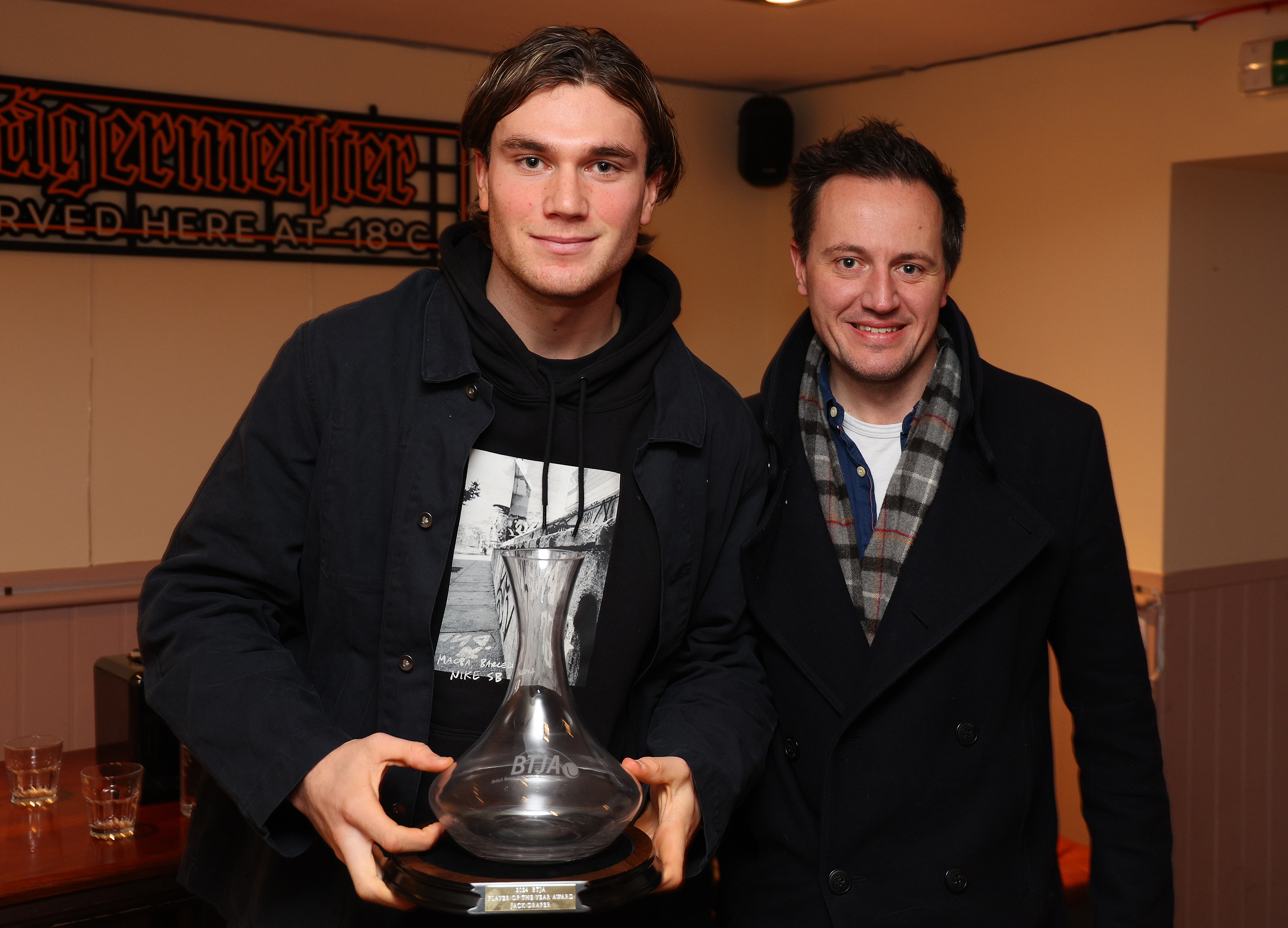
Draper receives the British tennis journalists’ award in 2024 before embarking on a walk for Alzheimer’s charities
ANDREW REDINGTON/GETTY IMAGES
24. Jack Draper’s level-headed nature has always served him well ever since I first encountered him off the court at 16 years old. Most players of this age are understandably uncomfortable in an interview setting, but he was already so adept in handling the questions from a small group of reporters who had gathered at the LTA’s National Tennis Centre for a peek at an early professional appearance on the lower tiers. Now at the age of 24, his mental strength has been tested over the past seven months because of an arm injury that suddenly cut short his rise to a career-high ranking of No4, but I have no doubt he will bounce back to challenge the likes of Alcaraz and Jannik Sinner once again.
25. About 25 years ago the notion of a Scottish tennis player winning Wimbledon was preposterous. Then Andy Murray came along to do it not just once but twice, as well as becoming world No1 and claiming back-to-back Olympic singles gold medals. His success on the court during tennis’s greatest era was phenomenal but it is in his hometown that his most meaningful achievement lies. The Dunblane school massacre, in which 16 children and one teacher were shot dead in 1996, meant that the town was instantly associated with dreadful tragedy for some time. That Murray, in the school and hiding under tables that day along with his brother Jamie, went on with his tennis racket to help shift the narrative around Dunblane into something positive is one of the most extraordinary sporting tales, and it was a privilege to cover it.