
(Credits: Far Out / Album Cover)
Sat 14 February 2026 12:00, UK
“We have lost our drummer, but also our alter ego,” Pete Townshend wrote in a statement issued shortly after the death of Keith Moon in 1978.
“We have lost our great comedian,” he continued. “Our supreme melodramist; the man who, apart from being the most unpredictable and spontaneous drummer in rock, would have set himself alight if he thought it would make the audience laugh or jump out of their seats.”
Townshend’s heartfelt tribute to his friend, in some ways, also explained what led to his demise. Moon certainly had a comedian’s soul, but it was the John Belushi or Chris Farley sort, the kind that usually paves a road to self-destruction. In Townshend’s statement, he also addressed concerns from fans of The Who that the band might decide to call it quits without Keith.
“The Who are more determined than ever to carry on,” he wrote, “And we want the spirit of the group to which Keith contributed so much to go on, although no human being can ever take his place”.
It had all happened so fast. Just three weeks before Moon’s death from a drug overdose, The Who had released their eighth studio album, Who Are You, led by the single of the same name. It was a top ten album in both the US and UK and certainly suggested that the band were still at the peak of their game as one of the great surviving ambassadors of what was gradually becoming known as ‘classic rock’.
Moon’s death, as rock star deaths often do, spurred an increase in sales of Who Are You in the autumn of 1978, but as more people bought the record, many of them also started to notice something slightly odd and disconcerting about its cover image.
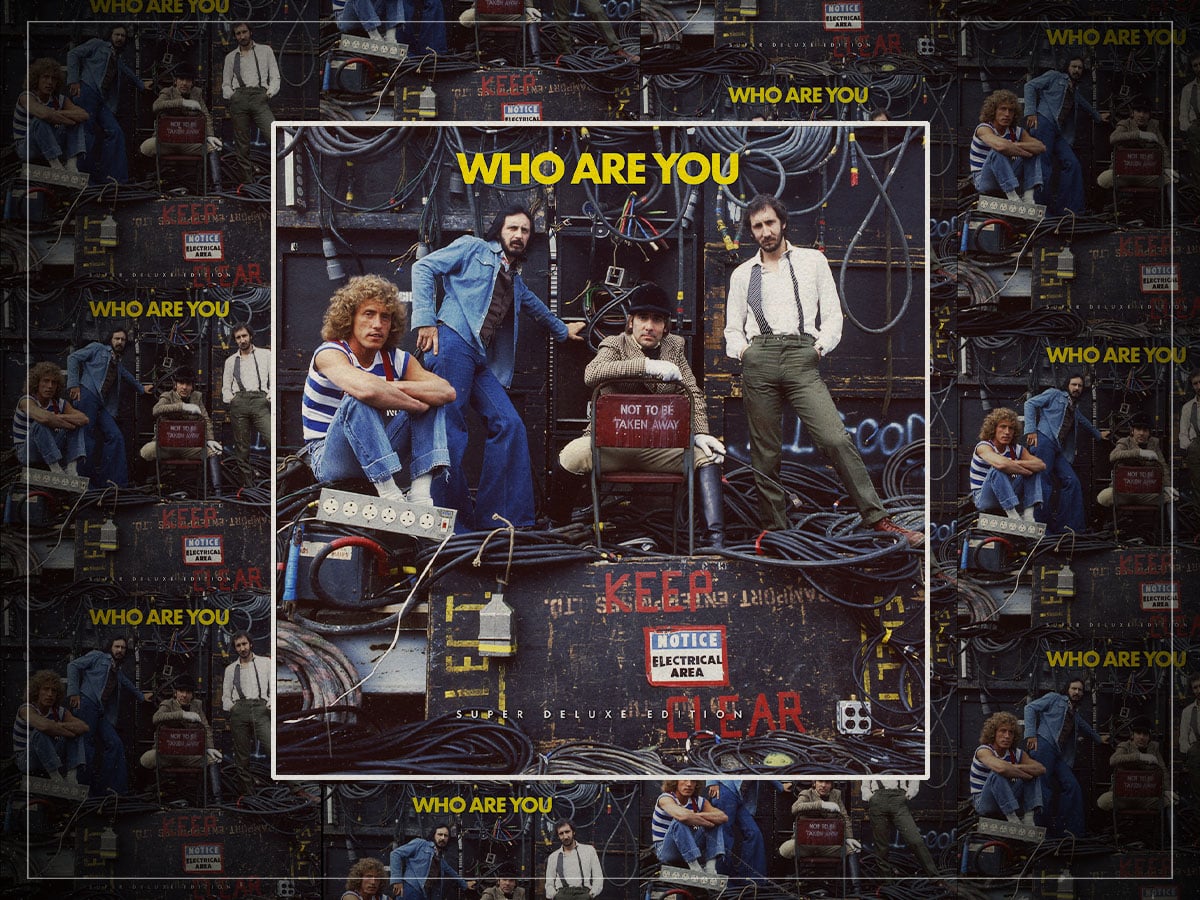
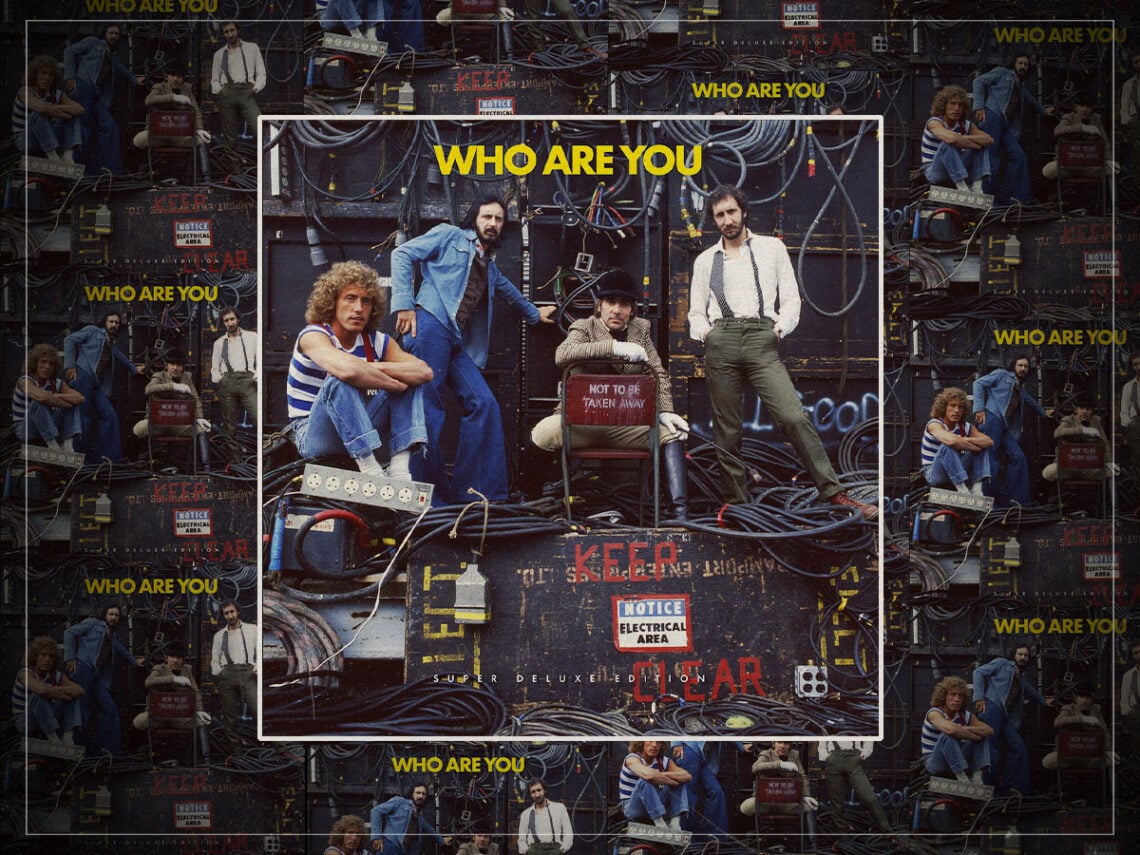
Taken by photographer Terry O’Neill, the album cover features all four members of the band posing among a mess of equipment outside Shepperton Studios, with Keith placed behind a chair so as to conceal his weight gain due to alcoholism, but there was a small detail that proved prescient.
O’Neill recalled to Shutterbug in 2015, “Coincidentally, the chair was marked with the label ‘Not To Be Taken Away’, an accidental irony given his life was about to be snuffed out”.
While conspiracy theorists wondered if the chair had been selected as some sort of intentional message, an awareness of Moon’s delicate status at the time, the fact is that there were a lot of chairs scattered around the movie studio, and anything in a studio tends to get labelled. Nonetheless, that this image became the final one many people ever saw of Keith Moon, of course, was quite chilling, even if his fate felt like the inevitable finish line to an unsustainable lifestyle.
“It was amazing he made ten years with the band at the rate he went,” former Who road manager Tom Wright said a week after Moon’s death, “I can’t see how his death surprised anyone in the band. [Keith] had a very spontaneous, firecracker approach to everything.”