
More than 1.25 million doses are dispensed monthly as chemists report they are assisting ‘distressed patients’
10:44, 13 Feb 2026Updated 11:05, 13 Feb 2026
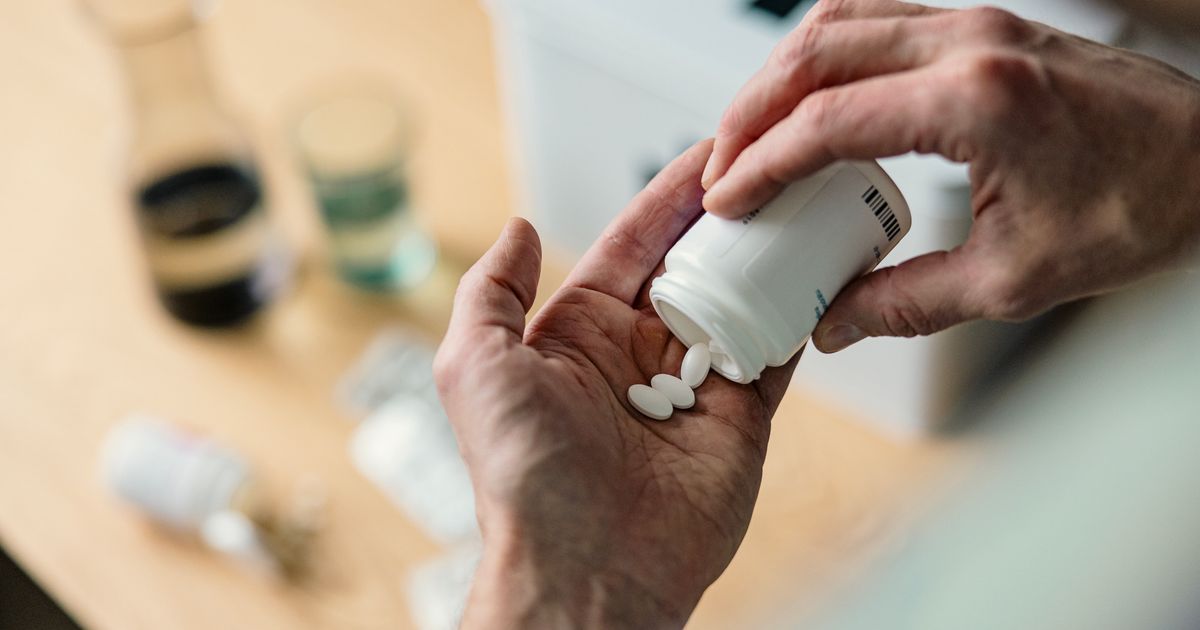
NHS pharmacies around the country are running out of co-codamol due to a national shortage(Image: Getty)
Britain is grappling with a critical shortage of a painkiller relied upon by millions across the country. Chemists report they are assisting ‘distressed patients’ amid the scarcity of co-codamol, which is expected to persist throughout the summer months.
Over 1.25 million doses of co-codamol are dispensed monthly across the UK – the shortage predominantly affects 30mg/500mg tablets, though other dosages are also impacted, according to industry specialists.
The National Pharmacy Association has been notified that stock levels will not stabilise until June 2026. NHS trusts throughout Britain have flagged up the supply issues.
NHS Grampian, for instance, has confirmed a nationwide shortage of co-codamol 30/500 tablets. The health board informed patients: “Supplies will be limited from early February 2026 until the summer. Other types of co-codamol 30/500 (capsules, soluble tablets, different strengths) cannot fully meet demand, so we cannot simply switch you to another type of co-codamol.
“You may not receive your usual supply of co‐codamol 30/500. Your prescriber or pharmacist may discuss alternative options, such as: Paracetamol on its own or a plan to slowly reduce the amount of co-co-codamol you take replacing doses of co-codamol with paracetamol instead.”
The Department of Health (DoH) confirmed co-codamaol has been “added to the list of medicines which cannot be hoarded or exported from the UK”. Olivier Picard, Chair of the National Pharmacy Association said: “Pharmacies are telling us they have struggled to order in supplies of some strengths of co-codamol, with a number reporting that supply disruption will last at least until June.
“This is a distressing shortage and pharmacists are trying their best to help patients manage severe pain. In some instances, alternatives are being prescribed.
“Where pharmacies have supplies, they will doing all they can to manage them to ensure patients get the medication they need.
“We face ever-growing issues with medicine supplies, which are compounded by the NHS not funding the full cost pharmacies have to pay to get the medicines patients need.
“The government must urgently act to address a growing list of medicine shortages impacting patients and pharmacists alike, who end up at the sharp end of an increasingly difficult medicine supply system.
“One thing they could easily do is allow pharmacists to make simple, safe substitutions to prescriptions where an item is out of stock, and save patients having to return to their GP without medication.”
The Department of Health and Social Care issued a notice this month warning that certain strengths of the tablets will face supply constraints running from February through to July 2026. Healthcare professionals are being urged not to initiate new patients on the medication, according to NHS guidance.
Those currently taking it should be moved onto alternative pain relief options such as paracetamol 500mg tablets, which will continue to be available throughout this timeframe.